



What we know so far
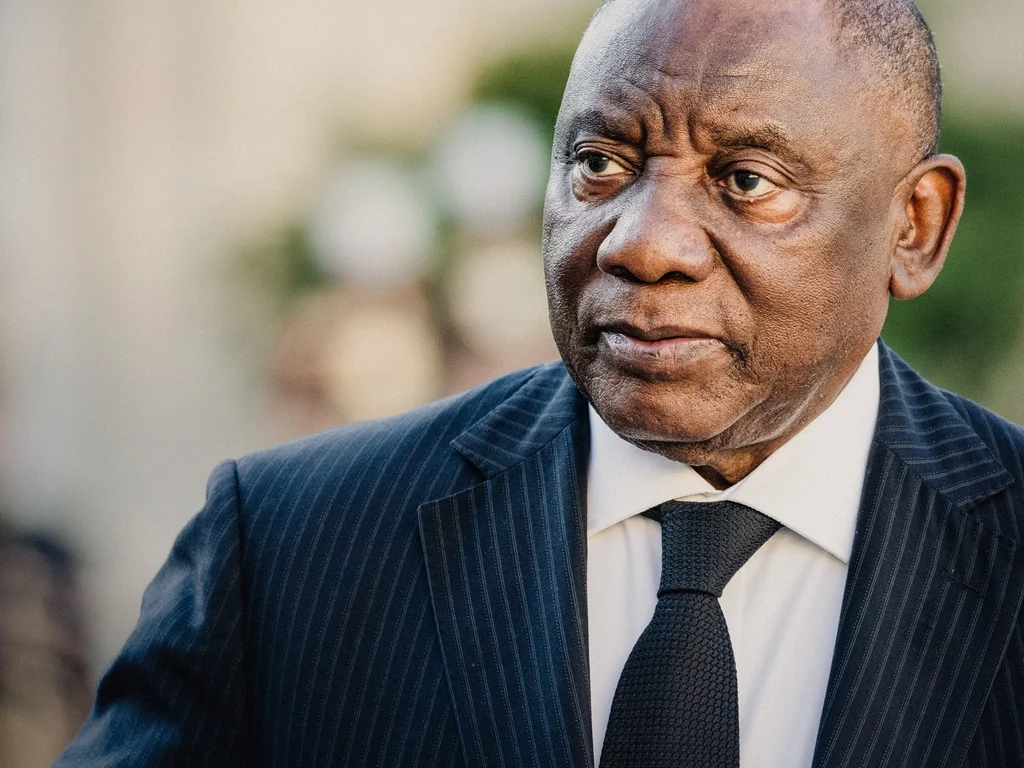
The Ramaphosa impeachment ruling will be handed down at 10am on Friday, 24 July 2026, when the Western Cape High Court in Cape Town decides whether Parliament’s Section 89 Impeachment Committee can continue its work.
President Cyril Ramaphosa brought an urgent application for an interim interdict to halt the committee’s proceedings.
He wants them stayed until the same court rules on his separate application to set aside the independent panel report on which the inquiry rests.
The application was heard over two days, on 15 and 16 July, by a full bench of judges André le Grange, Matthew Francis and Diane Davis. Judgment was reserved on 16 July.
Advocate Wim Trengove SC appeared for the president. Advocate Dali Mpofu SC was among counsel opposing the application.
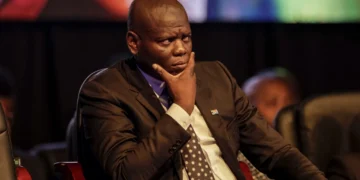
Committee chairperson Makashule Gana was cited as second respondent in his capacity as chairperson, and represented the committee in court.
Two points bear stating plainly at the outset. The committee has not begun hearing evidence and has made no findings against the president. Ramaphosa denies any wrongdoing.
The committee met on Wednesday, 22 July, to continue preparatory work on its terms of reference and the appointment of an evidence leader.
Why the Ramaphosa impeachment ruling matters
The ruling decides timing rather than outcome, and the distinction matters.
If the interdict is granted, the committee’s hearings are suspended until the review of the panel report is decided. That review is set down for hearing from 2 to 4 September, and Trengove told the court judgment on it would likely follow in the same month.
If the interdict is refused, the committee may proceed while the review runs in parallel.
In neither case is the inquiry cancelled. The Constitutional Court has ordered that the process resume, and only a successful review of the panel report would remove the foundation on which the inquiry stands.
The argument before the court turned on prejudice. Trengove submitted that his client would suffer irreversible injustice if subjected to a “humiliating public trial” on a report that is itself under legal challenge, and weighed that against a delay of two or three months.
Those opposing the application argued that Parliament is bound by the Constitutional Court order and should not be halted.
The committee’s stated position, issued through Parliament, is that until a court grants an order directing otherwise it “remains bound by the Constitutional Court order”.
The end point of a Section 89 process is a vote in the National Assembly. Removal of a president under that section requires a resolution supported by at least two thirds of members, a threshold no such motion has ever met in South Africa.
Key details and figures
The sequence of events behind Friday’s ruling:
| Date | Development |
|---|---|
| February 2020 | Theft of foreign currency at Phala Phala game farm, Limpopo |
| November 2022 | Section 89 panel finds prima facie evidence the president may have violated the Constitution and the law |
| 13 December 2022 | National Assembly votes 214 to 148 against referring the report to an impeachment committee |
| 8 May 2026 | Constitutional Court finds that vote irrational and sets it aside |
| 1 June 2026 | Impeachment Committee elects Makashule Gana chairperson |
| 15 and 16 July 2026 | Urgent interdict heard, judgment reserved |
| 22 July 2026 | Committee meets on terms of reference and evidence leaders |
| 24 July 2026 | Judgment on the interdict, 10am |
| 2 to 4 September 2026 | Review of the panel report heard |
The panel, chaired by former chief justice Sandile Ngcobo with retired judge Thokozile Masipa and advocate Mahlape Sello, found in November 2022 that there was prima facie evidence the president may have contravened section 96(2)(a) of the Constitution and section 34(1) of the Prevention and Combating of Corrupt Activities Act.
A prima facie finding is a preliminary assessment that there is a case to answer. It is not a finding of guilt, and the panel conducted no trial.
The panel report referred to the theft of at least $580,000, approximately R9.6 million at current rates. Some recent reports have placed the figure at $538,000, and the discrepancy has not been resolved on the public record.
Ramaphosa has said the money was payment for buffalo sold to Sudanese businessman Hazim Mustafa, who did not take possession of the animals.
Gana was elected chairperson on 1 June 2026, receiving 19 votes against 12 for Dr Lehlohonolo Mahlatsi.
The National Assembly adopted new rules for the Section 89 process after Rule 129I of its rules was declared unconstitutional.
Political parties had until 10 July 2026 to make written submissions on the draft terms of reference, a document running to close to 40 pages, and to nominate senior counsel as evidence leader.
What happens next
Judgment is delivered at 10am on Friday in Cape Town.
Should the interdict be refused, the committee is expected to move to appointing an evidence leader, finalising terms of reference and drawing up a witness list. Gana has said Parliament’s legal office is assessing the availability of the senior counsel nominated by parties.
Should it be granted, those steps continue but oral hearings wait on the September review.
Gana has said the committee’s preparatory work is not what the president’s application seeks to stop, and that Ramaphosa’s counsel confirmed as much in court.
The review hearing from 2 to 4 September remains the more consequential proceeding, because it determines whether the panel report survives at all.
Separately, ActionSA has submitted further material to the committee, including South African Police Service disciplinary findings that cleared two senior presidential protection officers connected to the matter. Gana has confirmed the submission will form part of the committee’s evidentiary record.
No date has been set for any hearing of oral evidence, and no witness list has been published.