







Most of us are handed the same script. Get the degree, get the job, keep the job, contribute to the retirement annuity, and hope the numbers work out somewhere around 65.
Robert Edwards followed that script for seven years in London. He grew up in Durban, moved to the UK, and built a career in finance. The stable job, the predictable routine, the plan that only pays off decades from now. Then, at 35, he stopped and asked whether the script was actually working.
He left. What was meant to be a break turned into a year across 21 countries and a fairly serious investigation into how the rest of the world lives, earns and survives. The result is a 285 page book called Quit Travel Grow: What 21 Countries Taught Me About Money, Life and Freedom.
Not a gap-year story
This is the part where you expect sunsets and self-discovery. That is not really the book.
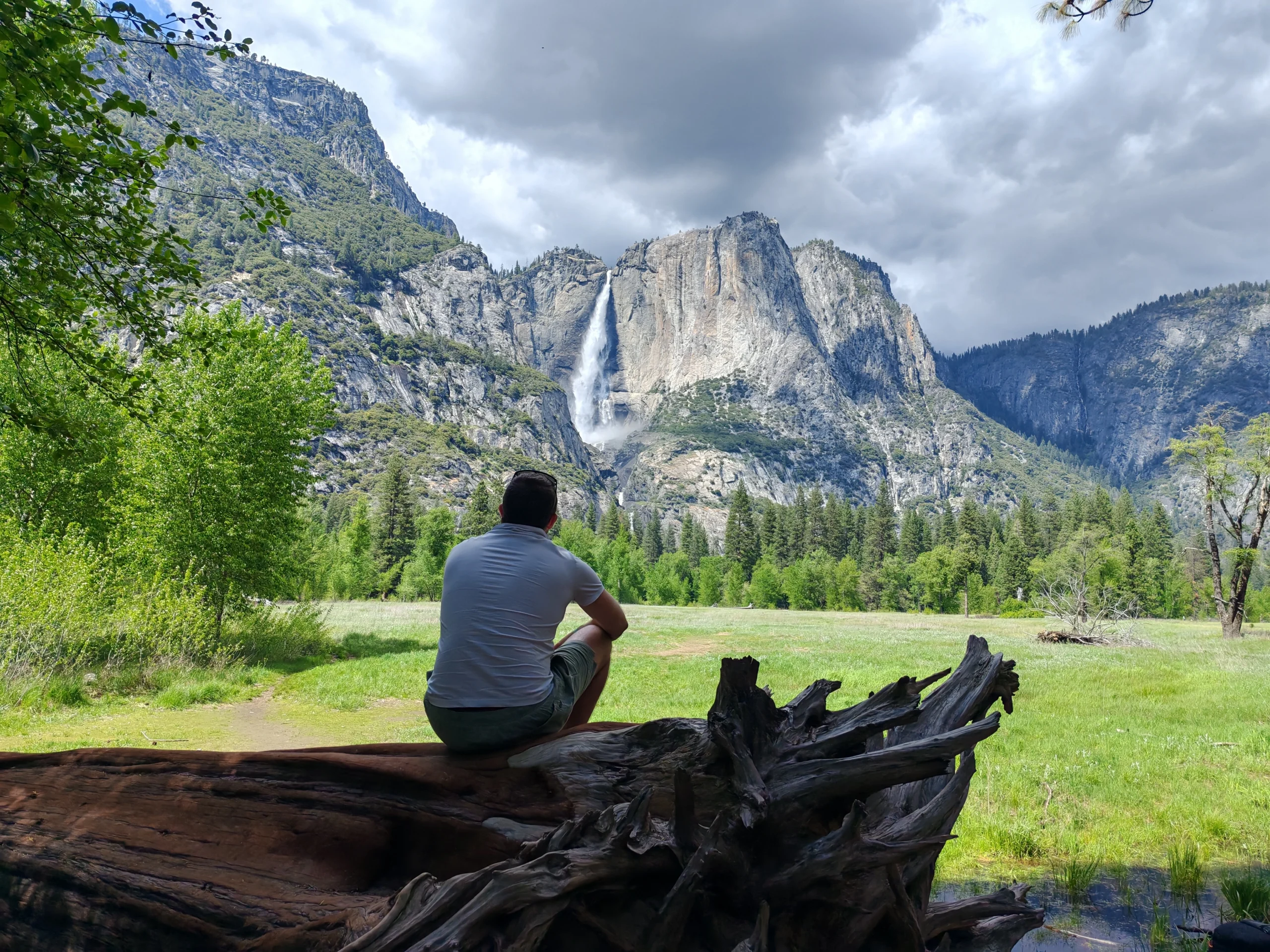
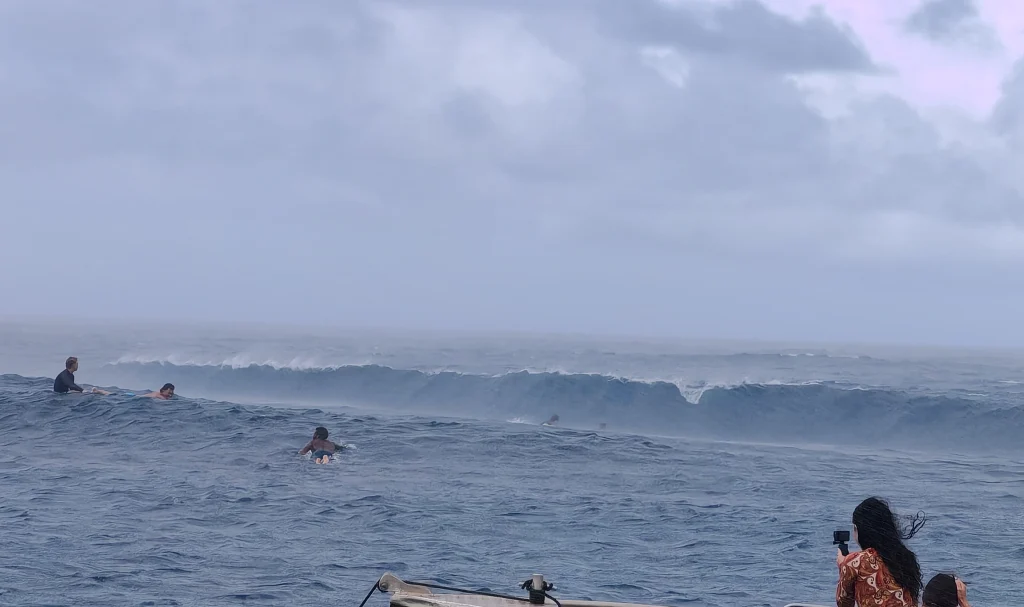
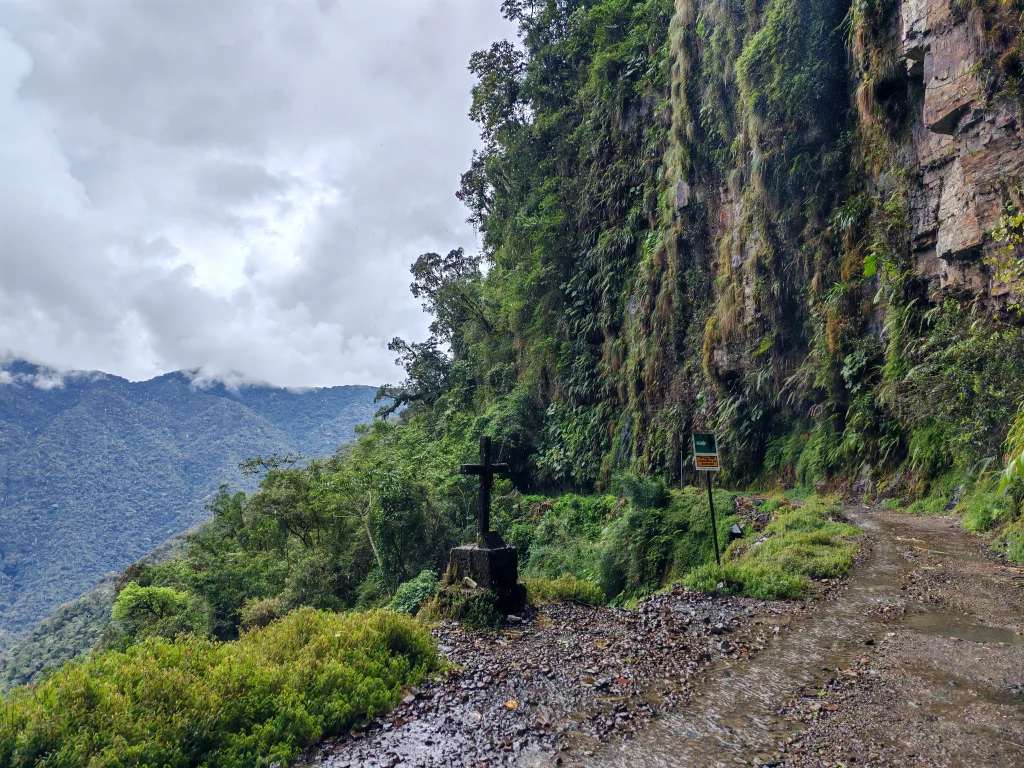
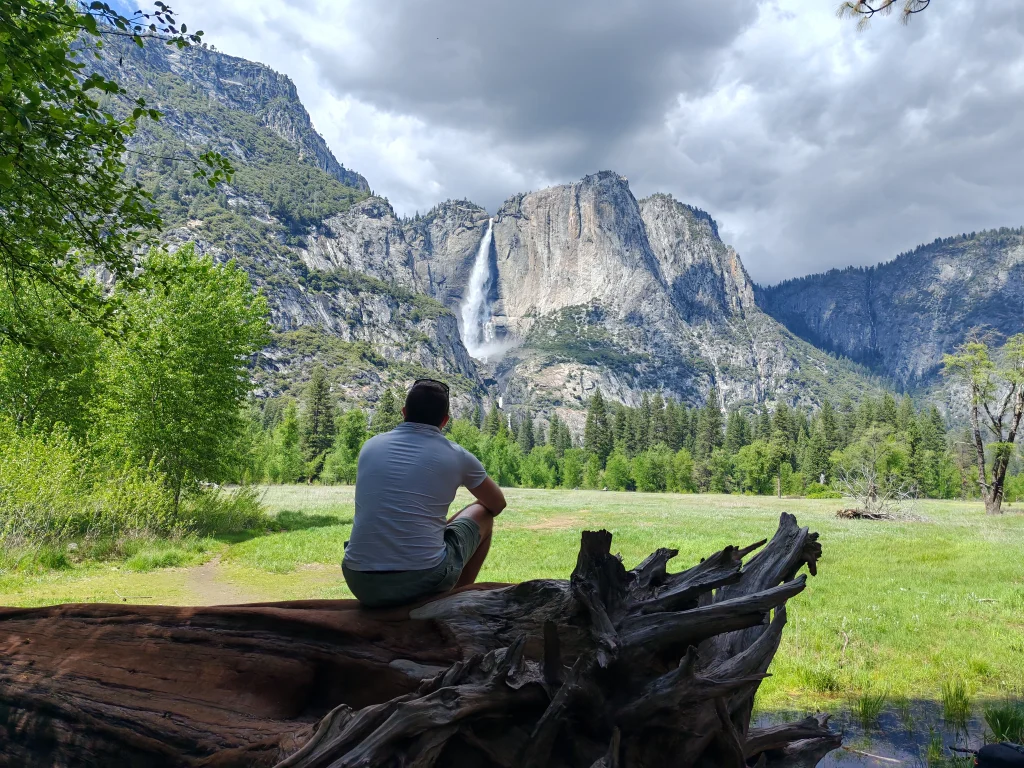
The route ran Saudi Arabia, China, Vietnam, Cambodia, Australia, New Zealand, Fiji, the United States, Cuba, Colombia, Peru, Bolivia, Argentina, Brazil, India, Sri Lanka, Malaysia, Oman, the United Arab Emirates, Ethiopia and Rwanda, in that order, which is also the order of the book’s chapters. In each place he was doing something slightly unusual for a traveller. He was writing down what things cost. Rent. Transport. A meal. A hostel bed. A haircut in Havana. A beer.
He was also asking people how they think about money, work and security, and finding that the answers vary enormously depending on which economy you happen to be standing in.
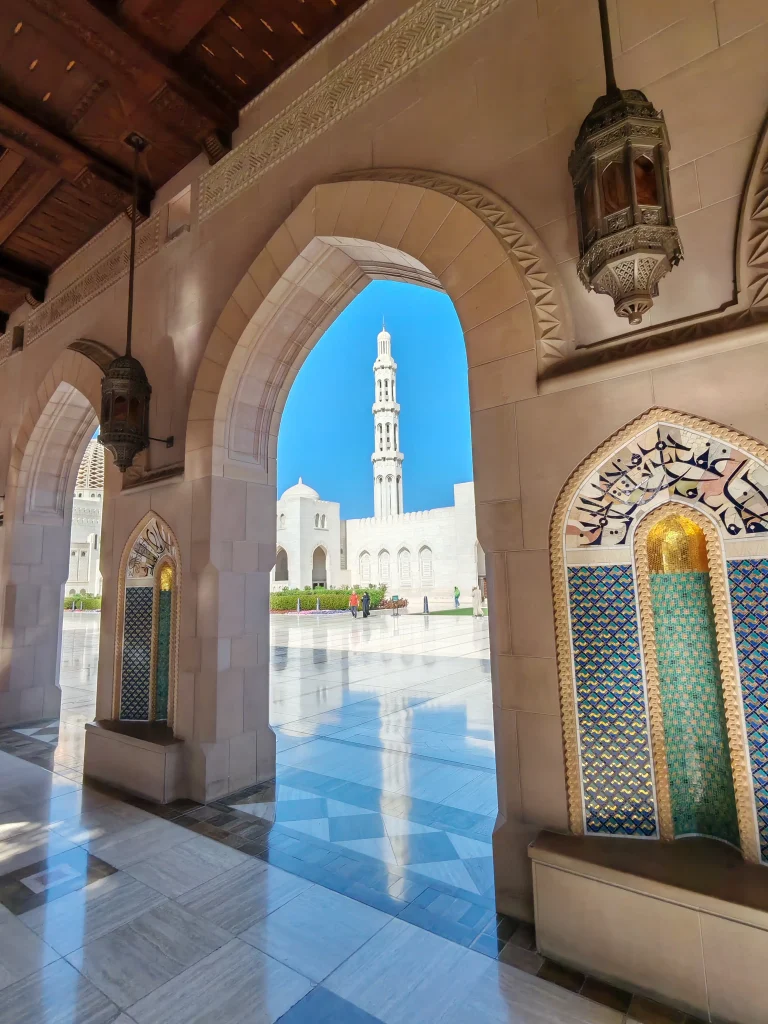
The book runs from the Shaolin Temple in China to live goat markets in Oman, from the rock-hewn churches of Tigray in northern Ethiopia to the favelas of Rio, from communist Cuba to California. A short history of each place is woven in so the economics make sense in context.
Some of it is genuinely funny. Some of it is uncomfortable. He was mugged in Colombia. He spent time inside economic systems that make the South African cost-of-living debate look very different when you zoom out.





Why South Africans in particular should read this
For a South African audience, the currency angle alone is worth the price of entry.
We are a country where a large chunk of the population is quietly doing the mental arithmetic on emigration, on remote work for foreign clients, or simply on whether staying put is financially rational. Edwards has effectively done the fieldwork. He has stood in 21 countries with a notebook and compared what a normal life costs in each one.
He also has the useful perspective of someone who has lived on both sides: a Durban upbringing and seven years inside London’s financial sector. That means he is not romanticising the “just leave and travel” fantasy, and he is not defending the corporate path either. He is doing the sums on both.
The bigger question
Running underneath the travel writing is a more awkward theme, and it is aimed squarely at people with comfortable jobs.
At one point Edwards asks his readers directly: “Are we too comfortable?”
It is a fair question. His argument, drawn from a year of putting himself in unfamiliar and occasionally unpleasant situations, is that uncertainty tends to produce the experiences worth having, and that financial independence is less about a retirement date and more about buying yourself the option to walk away from something that is not working.
He is also honest about what the internet has taken away. The sense of true discovery, of arriving somewhere with no signal and no idea what lies ahead, is largely gone. Part of the book is a reckoning with that.



What is actually in it
- What everyday life costs in different parts of the world, with real numbers
- How different cultures think about money, work and security
- How to think about long-term financial comfort without sacrificing the present
- How to put yourself in a position where leaving a job is a genuine option
- Travel stories, mishaps and a brief history of each country he passed through
Early readers on Amazon have singled out the practicality. The transparency about hostels, transport and daily expenses makes the book useful for anyone actually considering a long trip rather than just reading about one. Others have flagged the balance. It is heavy with figures and statistics, but the personal thread keeps it moving, and it cuts through the romanticised version of countries most of us only know from a highlight reel.
Self-published, and worth supporting
Edwards is doing this without a publisher behind him. He paid for his own editors, and the book is out now on Amazon. If you like the idea of a South African writing seriously about money and the world without a corporate marketing budget, buying the book is the whole support mechanism.
Get the book on Amazon: Quit Travel Grow
This article is sponsored content. Southafriworld publishes sponsored features that we believe are relevant to our readers.