





What we know so far
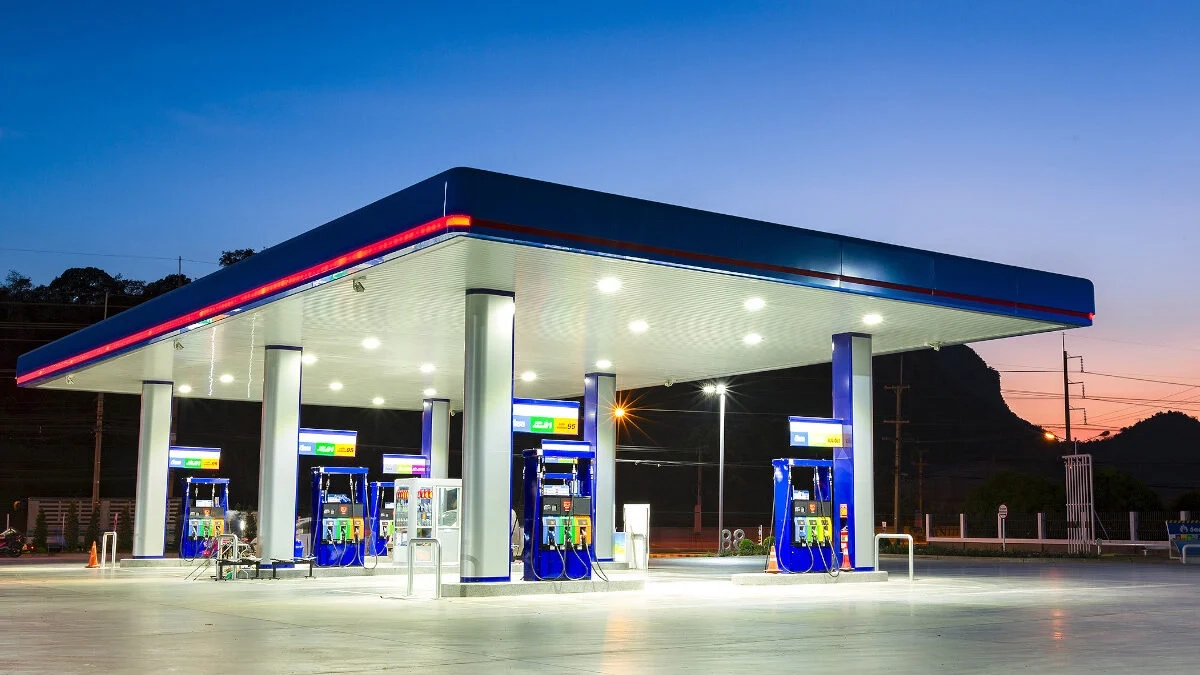
Petrol station owners across South Africa are warning that they may have to close overnight, cut operating hours or retrench staff as a steep drop in fuel volumes makes 24-hour trading unsustainable, the South African Petroleum Retailers Association has said.
SAPRA national chairman Henry van der Merwe told CapeTalk that smaller forecourts and rural sites are already phoning the association to flag that they cannot afford to remain open through the night because of security risks and low volumes after dark.
“Those people are phoning and saying we can’t afford to stay open at night because of security risks, because of low litres at night,” Van der Merwe said in the interview.
He added that some operators are openly discussing retrenchments or shorter trading hours, a shift he described as damaging for the country if it spreads beyond a handful of struggling sites.
The warning follows some of the sharpest pump-price increases in South Africa’s recent history, triggered earlier in 2026 by the closure of the Strait of Hormuz after the United States launched military action against Iran on 28 February 2026.
Why it matters
Petrol stations are critical road-side infrastructure in South Africa, particularly along long-distance freight and tourism routes where 24-hour fuel access supports driver safety, agricultural logistics and emergency services.
If smaller and rural forecourts begin closing overnight, motorists and freight operators travelling through under-serviced areas could face longer stretches without fuel, refreshments or working ablution facilities. Van der Merwe said rural areas are also facing a wider security-of-supply issue if pump prices do not stabilise soon.
Retrenchments would add further strain to a stretched labour market. Petrol attendants are one of South Africa’s most visible categories of formal entry-level employment, and pump-side jobs are often the only formal work available in smaller towns.
The squeeze on retailers is structural rather than cyclical. Fuel retailer margins are fixed in cents per litre by the Department of Mineral and Petroleum Resources, meaning higher pump prices do not lift station profits but do depress the volumes those margins are earned on.
Key details and figures
Van der Merwe told CapeTalk that the retailer margin on petrol works out at roughly R2 per litre regardless of the pump price, framing the squeeze in blunt terms.
“If we sell fuel at R25 a litre, we get R2, and if we sell it at R40 a litre, we get R2 because it’s a margin. So when the high fuel price hits us, the litres go down, and that’s where the problem comes in,” he said.
Motorists have visibly cut back. According to Van der Merwe, many drivers, including minibus taxi operators, are no longer filling up their tanks completely and are instead buying smaller amounts at a time, dragging down forecourt volumes nationwide.
The pump pressure was eased temporarily on 1 April 2026 when the National Treasury cut the general fuel levy by R3.00 per litre, reducing it from R4.10 to R1.10 per litre on both petrol and diesel. Finance Minister Enoch Godongwana described the relief as a significant fiscal sacrifice, with Treasury initially estimating roughly R6 billion in foregone revenue for April alone.
That relief is now being phased out from June 2026. Treasury expects total foregone revenue of about R17.2 billion across the April-to-June window, a figure SAPRA has cited in tracking the pricing outlook for retailers.
Van der Merwe said preliminary Central Energy Fund data shows petrol has moved into a small over-recovery of between 3 and 8 cents per litre, but this is far smaller than the R1.50 per litre levy reintroduction scheduled to begin pushing prices back up in June. He told CapeTalk the petrol price could rise by about R1.40 next month instead of dropping by 8 to 10 cents, while diesel is forecast to fall by R2 to R3 per litre.
Brent crude has also softened, easing from about $109 to roughly $98 per barrel after spiking above $110 earlier in the Middle East conflict, according to figures cited by Van der Merwe.
He said SAPRA has raised the retailer crisis with the Department of Mineral Resources and Energy, but cautioned that any review of the model will not deliver short-term relief. “We’ve had discussions with the department and the department’s going to have a relook at the whole model, but that unfortunately is not going to happen in two weeks’ time,” he said.
What happens next
The June 2026 fuel price adjustment, due to be published by the Department of Mineral and Petroleum Resources at the end of May, will be the first major test of how much of the levy relief is unwound and how that lands on already strained forecourts.
SAPRA has not publicly requested permission from oil companies for branded sites to close overnight, and Van der Merwe’s comments stop short of confirming a formal policy push. South African retailer agreements with oil majors have historically required 24-hour trading on most sites, meaning any move to overnight closures would likely require contract-level changes.
It is unclear how many sites have already cut hours or are actively planning to, and SAPRA has not published a national tally of affected forecourts. The association has confirmed only that operators are calling in to flag the pressure, and that its engagement with the department on the pricing model is continuing.
Worth watching: the official June 2026 fuel price announcement, any formal SAPRA submission to government on the retailer margin, and statements from major oil brands on whether they will permit reduced trading hours at branded forecourts. SAPRA has not indicated when it will quantify the number of stations now operating shorter hours.