



What we know so far
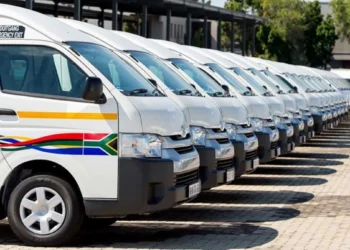
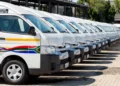
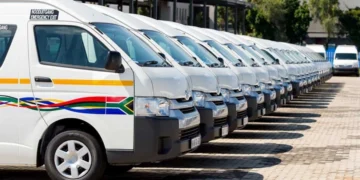
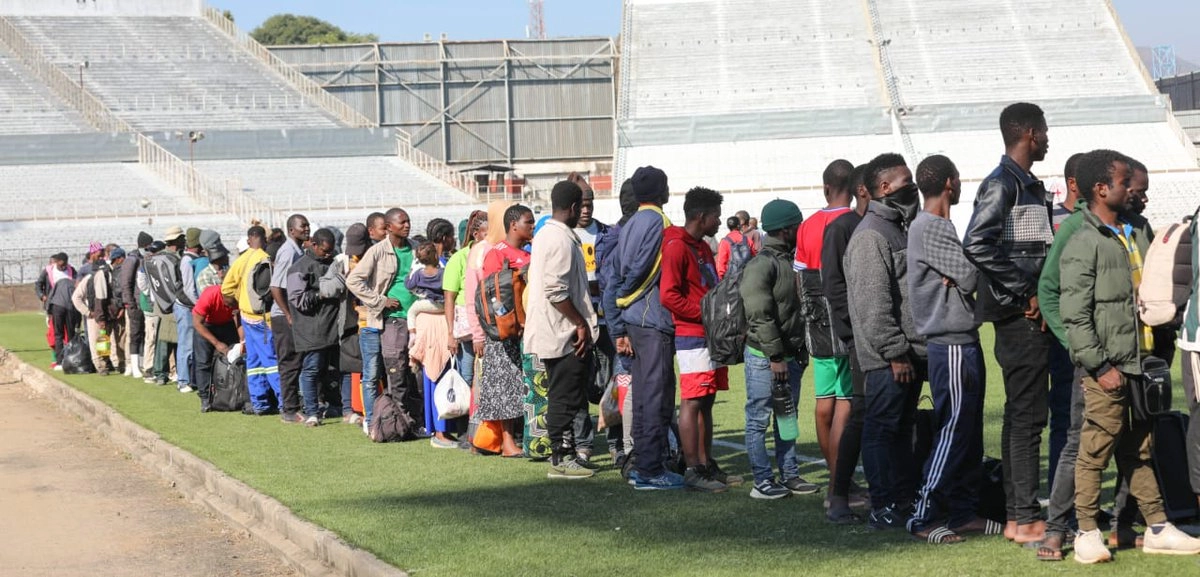
The Malawian government has repatriated the first 150 of its nationals from South Africa following the displacement of foreign residents in Mossel Bay, Western Cape. The Ministry of Foreign Affairs and International Cooperation confirmed that two buses carrying the returnees departed the Western Cape on Saturday, 6 June 2026, marking the formal commencement of a voluntary repatriation exercise coordinated at government level.
The 150 nationals were among hundreds of foreign residents displaced from the KwaNonqaba and Asla Park informal settlements in Mossel Bay during a period of anti-immigration violence that broke out at the end of May. The Malawian ministry confirmed they had been sheltering in temporary camps in the area while arrangements were made for their return.
The operation was coordinated by a multidisciplinary Malawi Task Team deployed specifically to the Western Cape, working under the direction of the Malawi High Commission in South Africa. The ministry stated that consular and transit support would be provided throughout the return journey.
Why it matters
The repatriation is the most concrete bilateral response to anti-immigration violence that has shaken South Africa’s relations with several African neighbours in recent weeks. Malawi joins Ghana, Zimbabwe, Nigeria, and Mozambique in taking structured steps to remove or assist nationals who say they no longer feel safe.
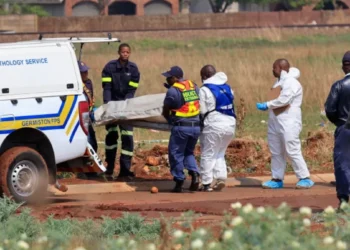
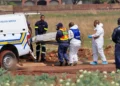
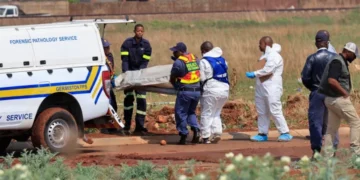
The Mossel Bay violence marked a significant escalation in a pattern of anti-immigration protests that had been building across the country. South African Police Service (SAPS) confirmed that 55 shacks were destroyed in the KwaNonqaba area after protests on the night of 30 May. At least two Mozambican nationals died following the violence, with SAPS confirming their deaths from assault injuries. The Mozambican government stated publicly that five of its citizens died as a direct result of what it described as xenophobic attacks, a figure the South African government disputed.
For Malawi, the repatriation carries both a humanitarian and diplomatic dimension. The ministry’s statement was unusually explicit in framing the operation as a response to the perceived targeting of its citizens, and the deployment of a dedicated task team signals a government response operating at a higher level of urgency than consular support alone.
The voluntary nature of the operation is significant. Nationals who wish to remain in South Africa are not being compelled to leave, but the government has made clear it will provide transport and support to any of its citizens who request it.
Key details and figures
The first convoy of two buses departed the Western Cape on Saturday, 6 June 2026. The returnees are travelling by road, transiting through Zimbabwe and Mozambique before crossing into Malawi at the Mwanza Border Post. The ministry confirmed they were expected to arrive on Monday, 8 June. Upon arrival, the returnees are to be processed at Kamuzu Stadium in Blantyre before proceeding to their respective home districts.
The 150 form the first confirmed batch, described by the ministry as the opening phase of a broader voluntary repatriation exercise. The ministry said its consulates in South Africa are working to provide transport to any further citizens who wish to return home.
In the broader regional context, the scale of departures has been considerable. Ghana executed the largest evacuation operation: an initial flight of approximately 300 citizens departed OR Tambo International Airport in Johannesburg in late May, followed by a second group of around 680 who landed in Accra over the subsequent weekend. A convoy of 74 Zimbabwean nationals arrived home after leaving Mossel Bay in the days following the violence. Nigeria confirmed that more than 500 of its citizens had been screened and cleared for return, with the repatriation exercise ongoing.
Near 600 Mozambican nationals fled Mossel Bay and returned home in the days immediately following the violence, according to border management figures reported by international wire services.
The Mossel Bay violence also displaced a number of South African citizens. Reports confirmed that South Africans from Limpopo province, many of them Tsonga speakers, were among those told to leave the area, with at least 17 South Africans confirmed to have been removed from their homes.
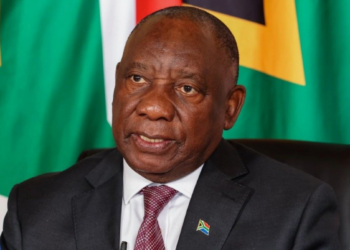
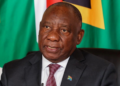
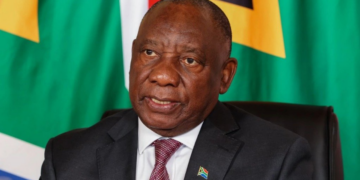
In Pretoria, President Cyril Ramaphosa addressed the nation on Sunday, 7 June, delivering a formal statement on migration from the Union Buildings. Ramaphosa acknowledged failures in immigration enforcement, accepted government responsibility for shortcomings in the system, and announced a Comprehensive Approach for Migration Management adopted by Cabinet. He condemned xenophobia and vigilantism outright, warned that only authorised law enforcement agencies may enforce immigration laws, and stated that he would be sending envoys to a number of African countries to present the new measures and engage in bilateral cooperation on migration management.
What happens next
The Malawi Ministry of Foreign Affairs confirmed that the voluntary repatriation exercise is ongoing and that the 150 who departed on 6 June form only the first batch. Further buses and consular assistance will be provided to Malawian nationals in South Africa who request it, with the High Commission acting as the coordination point.
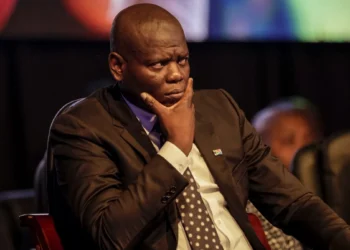
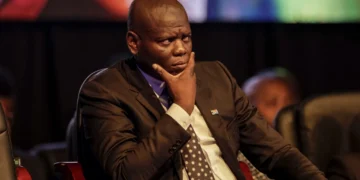
For South Africa, the diplomatic fallout from the violence remains unresolved on several fronts. The dispute between Pretoria and Maputo over the death toll from Mossel Bay has not been publicly closed, with the two governments holding different figures. South African Foreign Minister Ronald Lamola has publicly pushed back against characterisations of the violence as state-endorsed or widespread.
Ramaphosa’s announced Inter-Ministerial Committee on Migration, to be chaired across relevant departments, is expected to move quickly to produce visible enforcement results. The President said envoys would be dispatched to affected countries, though no timeline or named envoys have been confirmed publicly.
Whether Ghana, Nigeria, and Malawi will seek compensation for property left behind by citizens who departed remains an open question. Ghana’s government raised the issue formally, requesting that South Africa compensate those who were repatriated for property they were forced to leave. South Africa has not publicly responded to that request.
South Africa hosts an estimated three million foreign nationals, the majority from Zimbabwe, Mozambique, and Lesotho. The current wave of departures, while significant, represents a fraction of that population, and the longer-term impact on both communities and regional labour patterns will depend heavily on whether the government’s stated enforcement measures translate into a meaningful reduction in vigilante activity.