





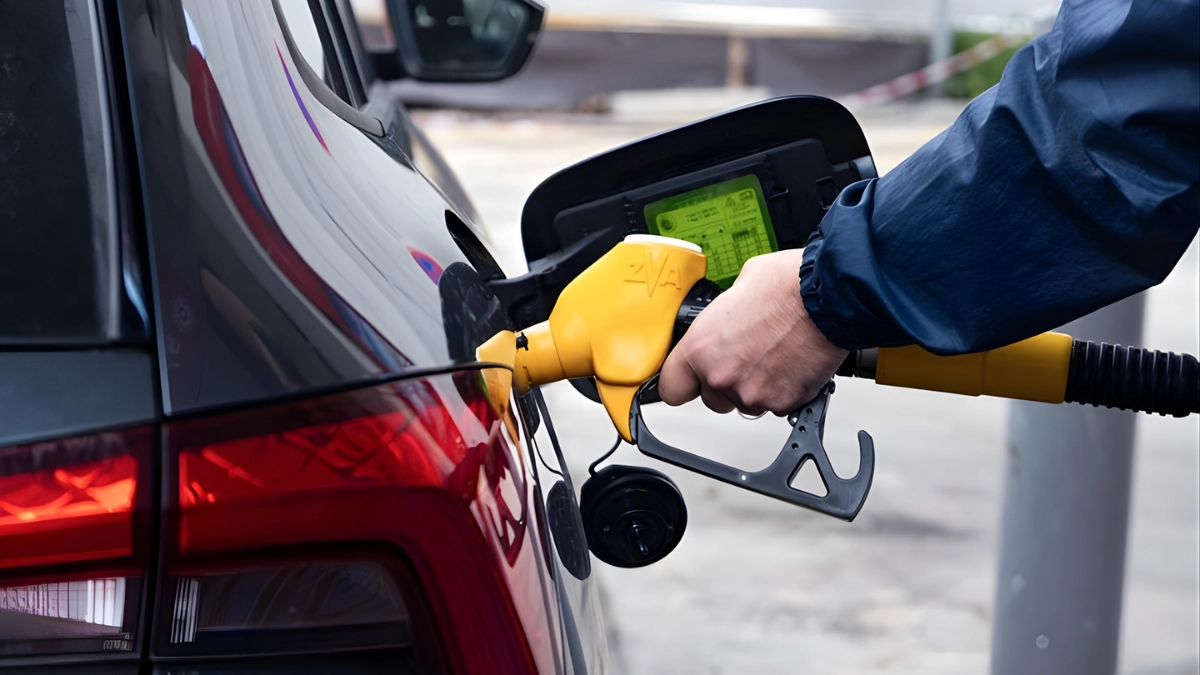
Some fuel stations in South Africa are running empty, particularly on diesel, but the government and the fuels industry say the country is not facing a nationwide supply collapse. Instead, officials say the shortages seen at certain forecourts are localised and are being driven largely by a rush to buy before expected April fuel-price increases.
That distinction matters. A station with dry pumps is a real problem for motorists, truck operators and farmers in that area, but it is not the same thing as a countrywide shortage. For now, the official position remains that national supply is stable in the immediate term, while operational and demand-related pressure is causing some outlets to run short.
The next step is likely to depend on three things: whether panic-buying slows, whether imports continue arriving as planned, and how large the official April fuel-price increase turns out to be. If buying patterns normalise, the stock-outs should ease. If they do not, more stations could temporarily run dry even while the national system remains supplied.
What we know so far
The clearest official statement came from the Department of Mineral and Petroleum Resources and the Fuels Industry Association of South Africa on 20 March 2026. They said South Africa’s fuel supply “remains stable in the immediate term” and that there is “no basis for panic-buying”. They also acknowledged that there may be isolated localised logistical challenges affecting the movement or availability of fuel in some areas, but said these do not amount to a national supply shortage.
That official line has since been tested by visible pressure on the ground. Reuters reported on 25 March that isolated diesel stock-outs were being seen at some filling stations and among agricultural users in South Africa. The same report said these disruptions were being linked to an unusual surge in purchases ahead of expected April price hikes rather than to a breakdown in national fuel supply.
Industry’s explanation is that large users with storage capacity have been placing abnormally high orders. Reuters reported that farmers and other bulk diesel buyers were trying to fill tanks before the next monthly adjustment, creating what the Fuels Industry Association described as “artificial demand”. The report also said wholesalers had told the department that some clients were requesting more than their usual monthly volumes.
That means the present crisis is not being framed by officials as a shortage caused by missing national supply. It is being framed as a demand spike that is hitting some local supply points faster than they can be replenished. In simple terms, some stations are running empty, but not because South Africa as a whole has run out of fuel.
Why it matters
The immediate effect is practical. A station that runs out of diesel or petrol disrupts deliveries, school transport, daily commuting, farming operations and long-distance logistics in its local area. Even if the national fuel network remains intact, motorists and businesses affected by those local shortages still experience them as a serious operational problem.
Diesel is especially important in this story because it underpins much more than private motoring. It is essential for freight, agriculture, generators, construction equipment and backup power. When diesel buying spikes, the consequences spread quickly across the wider economy. Reuters’ reporting makes clear that diesel demand has been the sharpest pressure point in South Africa’s recent stock-out episodes.
The timing also matters because fuel prices are already under strain. On 10 March 2026, the government said the continuing rise in international crude oil prices was expected to result in higher pump prices from April. That warning, combined with fears around shipping disruption linked to the Middle East conflict, has created a strong incentive for consumers and bulk buyers to fill up before the next adjustment takes effect.
This is why officials have been so blunt about panic-buying. The government and the industry say panic purchasing can turn a manageable system into a stressed one by placing unnecessary pressure on service stations, logistics chains and public confidence. In that sense, the fear of shortages can become part of the reason some outlets actually do run short.
Key details and figures
Several verified details shape the current picture:
- The DMPR and the Fuels Industry Association said on 20 March that South Africa’s fuel supply remains stable in the immediate term.
- The same statement said localised logistical challenges do not amount to a national fuel shortage.
- Reuters reported on 25 March that isolated diesel stock-outs in South Africa were being driven by demand spikes before expected April price hikes.
- Reuters said large users with storage capacity were making unusually high purchases, creating “artificial demand”.
- Engineering News reported that the March and early April fuel consignments had already been secured and were expected to support supply over the coming weeks.
- Government said on 10 March that there was no immediate risk of national fuel shortages, even as it warned that higher pump prices were expected from April.
Those details show why the situation has to be described carefully. It is accurate to say some petrol stations are running empty. It is not accurate, based on the official record currently available, to say South Africa is in a confirmed national fuel shortage.
There is also a wider African context. Reuters reported that the Iran war has disrupted oil and gas shipments through the Strait of Hormuz and is affecting fuel availability across parts of Africa. In South Africa’s case, Reuters said the impact has so far been more about panic-driven diesel buying and local stock-outs than a collapse in national supply.
What happens next
The next key moment is the official April fuel-price adjustment. If the final increase is large, buying pressure may stay elevated as consumers and commercial users try to secure fuel before or immediately after the price shift. That means local stock-outs could continue even if the broader national supply picture remains officially stable.
The second issue is logistics and replenishment. Engineering News reported that fuel consignments scheduled for March and early April had already been secured before the latest geopolitical escalation, which should help support short-term availability. That supports the official view that supply is still reaching the country, even if some retail outlets are temporarily running dry.
The third issue is public behaviour. Government and the industry have effectively said that buying normally is now part of keeping the system stable. If motorists and bulk users continue to rush in unusually large volumes, the problem at station level could intensify even without a national shortage.
For now, the strongest verified conclusion is this: some fuel stations in South Africa are running out of fuel, especially diesel, but the evidence available from government, industry and Reuters points to local stock-outs and demand distortion rather than a countrywide shortage. That is still serious for affected areas, but it is a narrower and more precise story than saying the whole national fuel system is failing.