





South Africa is facing a fresh interest rate warning as a sharp rise in oil prices and renewed weakness in the rand threaten to push inflation higher just weeks before the South African Reserve Bank’s next rates decision on 26 March 2026. The warning follows direct comments from Reserve Bank Governor Lesetja Kganyago, who said the central bank will redraw its adverse risk scenarios after the recent Middle East conflict changed the inflation picture materially.
At its last meeting in January, the Monetary Policy Committee kept the repo rate unchanged at 6.75%, while saying inflation had ticked up to 3.6% in December 2025 and that it still wanted to see inflation expectations fall further around the new 3% target. At that stage, the Reserve Bank said lower oil prices and a stronger rand were helping the near-term inflation outlook. That backdrop has since become less supportive.
What happened
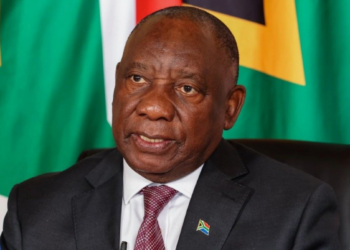
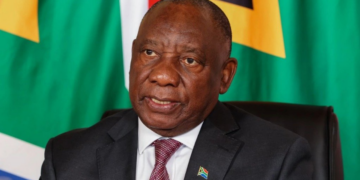
The immediate concern is that two external shocks are now hitting South Africa at the same time: higher global oil prices and a softer currency. In an interview published on 6 March, Kganyago said the SARB’s previous adverse scenario from the January meeting had effectively become outdated and would need to be replaced before the next MPC decision. He said policymakers would need to assess whether the current shock is temporary or persistent, because monetary policy should respond to lasting inflation pressure rather than short-term noise.
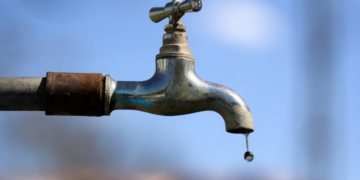
That matters because South Africa is highly exposed to imported fuel costs. The Department of Mineral and Petroleum Resources said in its March 2026 fuel price statement that Brent crude rose from an average of $64.08 to $69.08 a barrel during the review period, partly because of geopolitical tension involving the US and Iran and the risk of disruption through the Strait of Hormuz. The department announced fuel price increases from 4 March, including a 20 cents per litre rise for both petrol 93 and petrol 95, and increases of 62 cents and 65 cents per litre for diesel grades.
Since then, international oil prices have moved even higher and the rand has come under further pressure. Reuters reported on 9 March that the rand fell to around 16.85 to the US dollar, near its weakest level since mid-December, as investors reacted to surging oil prices and broader global risk aversion.
Why this matters
The repo rate has remained at 6.75%, and the Reserve Bank has not announced a rate hike. But the latest warning is significant because it suggests the discussion going into the March meeting is no longer mainly about whether rates can eventually come down. It is now also about whether inflation risks are rising enough to delay cuts or, in a more severe scenario, reopen the door to another hike.
This is a meaningful change from the picture presented in January. In that statement, the SARB said forecasts showed inflation slowing in the near term, helped by a stronger rand and lower oil prices. It also said risks to the inflation outlook were balanced. The new concern is that both of those helpful assumptions have weakened in a matter of weeks.
The inflation starting point still looks relatively contained. Statistics South Africa said annual consumer inflation eased to 3.5% in January 2026, down from 3.6% in December. However, services inflation remained elevated at 4.2%, which is important because the SARB has repeatedly said it wants services inflation closer to 3% if low inflation is to become entrenched.
What changed from earlier official announcements
The biggest shift is that the January MPC statement was built around a more benign external environment. At the time, the Reserve Bank explicitly cited lower oil prices and a stronger rand as factors supporting disinflation. By early March, Kganyago was saying the old adverse scenario no longer fit reality and that a new one would have to be drafted for the upcoming MPC meeting.
That does not automatically mean rates will go up this month. Kganyago also made clear that policymakers still need to judge whether the current move is temporary or durable. He said the exchange-rate effect on inflation is more powerful than a similar move in oil, which means the path of the rand could become just as important as the oil price itself in the weeks ahead.
In other words, the warning is not that a hike is guaranteed. The warning is that the case for easier monetary policy has become weaker, and the risk profile ahead of the March decision has worsened.
What this means for South Africans
For households, the biggest immediate pressure point is fuel. Higher petrol and diesel costs tend to feed through into transport costs, food distribution, commuting expenses and general business input costs. If those pressures begin to lift inflation more broadly, the SARB may decide it cannot move towards lower borrowing costs as soon as hoped.
For bond holders, homeowners and consumers with debt, that means relief on repayments could be delayed. For businesses, especially those already dealing with weak demand and input-cost pressure, a more hawkish rates outlook could keep financing costs elevated for longer. For the broader economy, it creates another headwind just as South Africa has been trying to build momentum around lower inflation, policy credibility and steadier growth.
Readers can follow broader developments in Southafriworld’s business coverage as the fuel and inflation picture develops.
Key points
- The SARB has not announced a rate hike.
- The repo rate is still 6.75% after the January 2026 MPC meeting.
- Governor Lesetja Kganyago says the Reserve Bank is redrawing its risk scenarios before the next MPC decision on 26 March 2026.
- The latest risk comes from higher oil prices and a weaker rand, both of which can lift inflation.
- South Africa’s official inflation rate was 3.5% in January 2026, but risks to that outlook are rising.
Short timeline
29 January 2026: SARB keeps the repo rate at 6.75% and says lower oil prices and a stronger rand are helping the inflation outlook.
3 March 2026: DMRE announces March fuel price increases, citing higher crude oil prices and geopolitical risks.
6 March 2026: Kganyago says the SARB will redraw its adverse risk scenario ahead of the March MPC meeting.
9 March 2026: The rand falls to a three-month low as oil prices and inflation concerns rattle markets.
What happens next
The next major test is the SARB’s Monetary Policy Committee announcement on 26 March 2026. Between now and then, policymakers will be watching whether the oil spike persists, whether the rand stabilises, and whether inflation expectations start shifting higher. If the shock fades, the Bank may still choose to hold and wait. If it proves more persistent, talk of delayed cuts or even a possible hike will become harder to dismiss.