





Courts Clarify the Limits of Public Recording and Police Authority
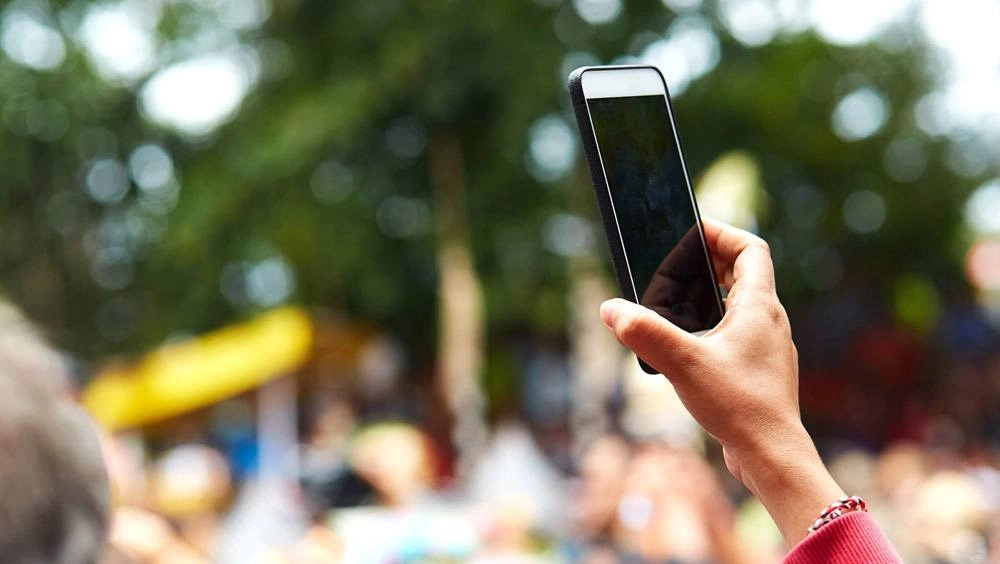
South African High Court rulings have confirmed that members of the public are generally permitted to record police officers while they are performing official duties in public spaces, provided the recording does not interfere with lawful policing operations.
This position arises from court interpretation of constitutional rights, including freedom of expression, access to information, and the principle of public accountability. The courts have consistently found that recording police activity in public, on its own, does not automatically amount to unlawful interference, intimidation, or obstruction.
Legal analysts say the rulings provide important clarity on how the public’s right to observe state authority is balanced against the operational needs of law enforcement.
What the Law Provides
High Court judgments have recognised that police officers performing official duties in public spaces do not have the same expectation of privacy as private individuals.
As a result, members of the public may lawfully record police activity taking place in public areas, including:
- Police stops and searches conducted in public
- Arrests carried out in public view
- Roadblocks and traffic enforcement operations
- General police interactions with the public in open spaces
The courts have indicated that the act of recording, by itself, does not constitute a criminal offence and does not automatically justify arrest, detention, or the seizure of recording devices.
Important Legal Limits Still Apply
Courts have emphasised that the right to record police activity is not unlimited.
Members of the public may not:
- Obstruct or interfere with police operations
- Physically impede officers
- Ignore lawful instructions
- Endanger themselves, officers, or others
- Disrupt public order
Legal rulings make it clear that recording must remain passive. Once filming crosses into obstruction or interference, police are legally entitled to intervene.
Why This Legal Position Matters
The clarification follows repeated incidents in which civilians, journalists, and bystanders have reported being instructed to stop filming or having devices seized during public police operations.
Civil rights organisations argue that lawful recording serves an important role by creating an objective record of events. Courts have recognised that public recording can:
- Deter misconduct
- Protect officers from false allegations
- Improve transparency
- Support accountability
This approach aligns South African legal interpretation with practices in other constitutional democracies.
What Police Officers Are Still Entitled to Do
The legal position does not prevent police from acting where filming becomes unlawful in practice.
Officers may lawfully intervene if a person recording:
- Blocks a crime scene
- Refuses lawful instructions
- Threatens officer safety
- Incites disorder or violence
However, courts have indicated that officers may not order someone to stop recording solely because the recording is inconvenient or uncomfortable.
Implications for the Public
For motorists, bystanders, and journalists, the rulings provide clearer guidance on what is permitted in public spaces.
Members of the public may record police activity in locations such as:
- Traffic stops
- Roadblocks
- Public protests
- Arrest scenes
- Policing activities conducted in open public areas
Legal experts advise that individuals who choose to record should remain calm, respectful, and at a safe distance, and comply with lawful instructions.
Response from Civil Society
Civil liberties organisations have welcomed the courts’ consistent interpretation, describing it as an important safeguard for constitutional rights and open justice.
They argue that video evidence has become an increasingly important tool in resolving disputes about police conduct and ensuring accountability.
The rulings reinforce the principle that public officials exercising public power remain subject to lawful public scrutiny.
What Happens Next
Legal analysts expect this interpretation to continue influencing police training, operational guidance, and misconduct investigations.
Video evidence is playing a growing role in disciplinary and criminal proceedings involving police conduct. While each case still depends on its specific facts, the courts have made it clear that lawful public recording is protected under South African law.
Why This Clarification Is Important
In a society where trust in law enforcement is a critical issue, transparency remains central to democratic policing.
South African courts have confirmed that constitutional rights do not disappear during police interactions in public spaces. Accountability and lawful oversight remain fundamental principles of the legal system.