






What we know so far
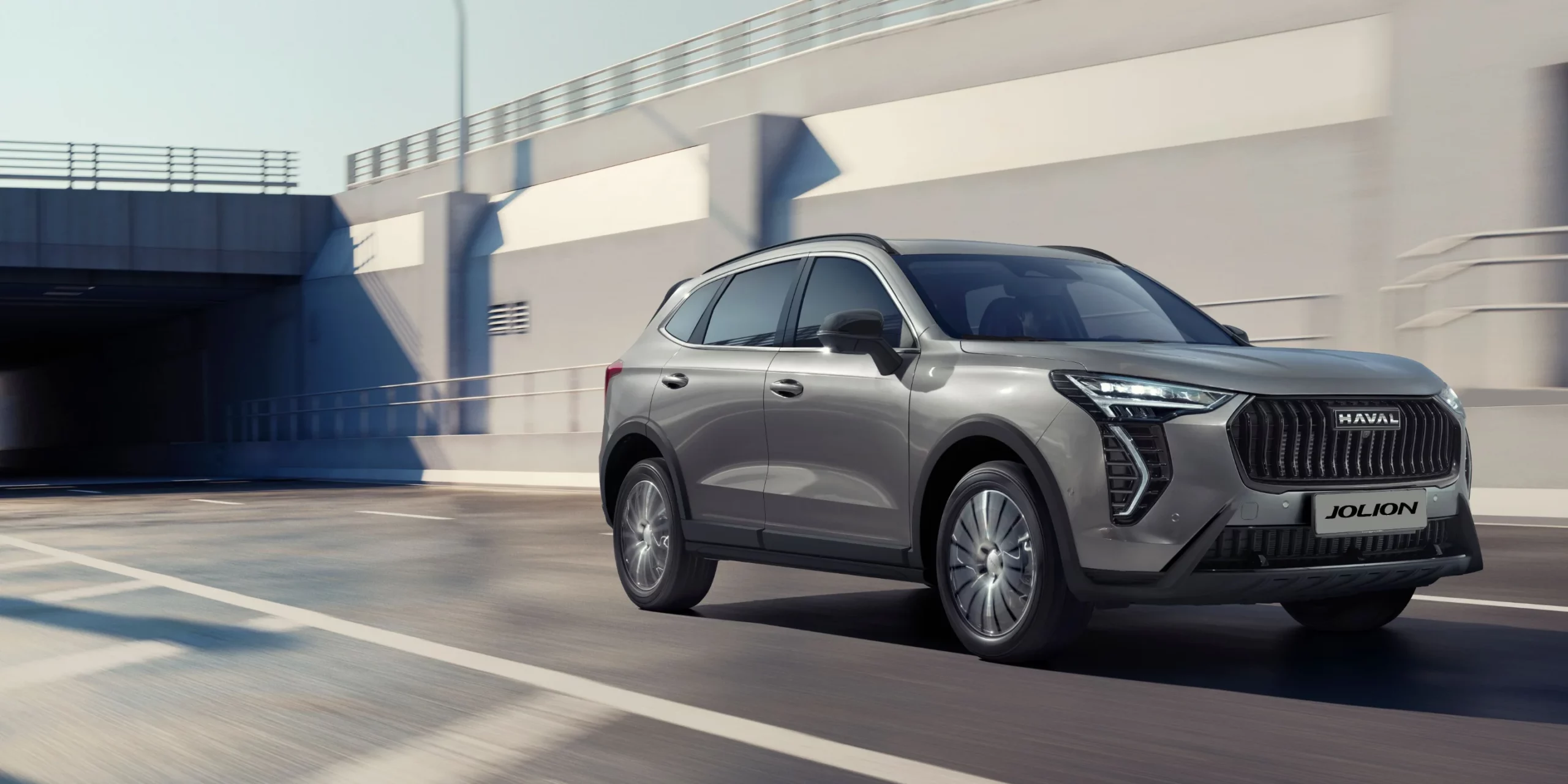
The GWM Haval Jolion has scored a two-star safety rating for adult occupant protection in crash testing conducted by the Global New Car Assessment Programme (Global NCAP), the international vehicle safety body. The entry-level version of the popular budget crossover tested on Wednesday scored three stars for child protection, but the adult rating has triggered warnings from South Africa’s Automobile Association (AA).
The crash test, released today as part of Global NCAP’s #SaferCarsForAfrica campaign, revealed that the Jolion lacks side head protection airbags (curtain airbags) as a standard feature. The test showed that while the vehicle provided good protection to occupants’ heads, necks and chests in frontal impacts, it could not be subjected to a side pole impact test precisely because it lacks this critical safety feature.
The Haval Jolion is one of South Africa’s best-selling vehicles, averaging approximately 1,200 sales per month in 2026, according to monthly industry sales data. The model competes directly in the budget crossover segment dominated by first-time and cost-conscious buyers.
Why it matters
The two-star rating exposes a significant gap in vehicle safety standards between South Africa and developed markets. The entry-level Jolion comes with four airbags, driver and passenger front and side body protection, plus electronic stability control. What it lacks is the side head protection that Global NCAP and safety experts say should be standard on every vehicle sold globally.
Bobby Ramagwede, chief executive officer of the Automobile Association, issued a direct warning to South African consumers. “South African motorists should exercise extreme caution when purchasing a new or used entry-level vehicle,” he said in a statement released with Global NCAP’s results.
Ramagwede highlighted a pattern: recent crash tests have shown that entry-level models sold in South Africa lack adequate crash safety specifications and often perform worse than identical models sold in overseas markets. “The tests also show the significant difference that basic safety features such as side-impact airbags and electronic stability control can make,” he added, noting that these features typically add only marginal cost to vehicle pricing.
Richard Woods, chief executive officer of Global NCAP, framed the issue as a matter of inequality. “It is unacceptable that global manufacturers continue to sell cars in Africa with safety standards they would never offer in markets like Europe,” Woods said. “African motorists deserve the same life-saving protection as drivers in the rest of the world.”
The warning comes as part of a broader trend. A separate test of the Kia Sonet, another popular budget vehicle in South Africa, scored just one star for adult occupant protection, highlighting how cost-focused vehicle segments in the local market are consistently underperforming on safety.
Key details and figures
Global NCAP’s detailed testing of the Haval Jolion revealed:
The frontal impact test showed good protection to the head, neck and chest. Knee protection was rated as marginal. The side movable barrier test demonstrated good protection. The side pole impact test could not be conducted because the vehicle lacks side head protection airbags as a standard feature. Electronic stability control is fitted as standard and meets Global NCAP requirements.
For child occupant protection, both child dummies received full protection in dynamic testing, but the rating was reduced to three stars due to the lack of proper interior marking and the absence of a passenger airbag disabling switch.
In comparison, the Kia Sonet scored one star for adult protection after crash testing revealed an unstable footwell area and bodyshell incapable of withstanding further loadings. The Sonet also delivered poor chest protection in side impact testing. It does come standard with electronic stability control.
The Haval Jolion entered the South African market as a competitively priced entry-level crossover and has rapidly become one of the country’s most purchased vehicles in its segment. Monthly sales data shows it consistently ranks among Naamsa’s top-selling models, competing closely with established brands in the budget crossover category.
What happens next
The Automobile Association has called out the apparent indifference displayed by local original equipment manufacturers (OEMs) to safety improvement after previous test failures. Ramagwede said the AA is awaiting meaningful action from manufacturers, whether through the addition of safety features to entry-level specs, discontinuation of lower-spec models in favour of safer variants, or structural remedies where major flaws exist.
Global NCAP indicated it intends to continue testing vehicles sold in the African market as part of its broader campaign to democratise vehicle safety. The body has completed more than 100 safety assessments since 2014 across India and Africa.
For consumers, the two-star rating will likely intensify scrutiny of budget vehicle specifications and may influence purchasing decisions in a price-sensitive market where safety features are sometimes seen as optional add-ons rather than essential protection. The AA’s warning suggests buyers should prioritise vehicles with higher safety ratings and standard safety equipment, even if it means a higher purchase price.
GWM (Great Wall Motors), the manufacturer of the Haval brand, has not issued a public response to the crash test results at this time.