







Ramaphosa launches the Electronic Travel Authorisation at OR Tambo
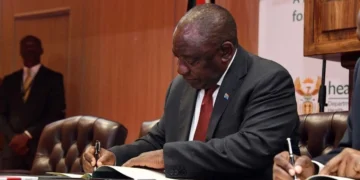
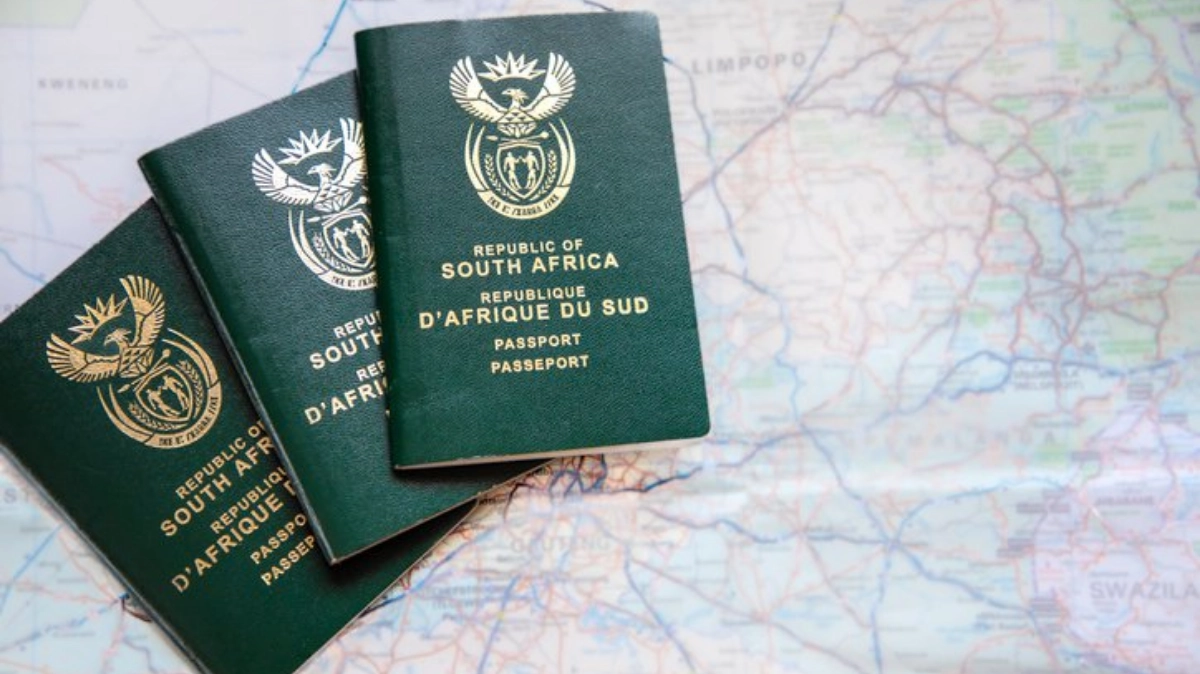
South Africa’s new digital entry system is live, and the paperwork that once stood between a visitor and a boarding pass is being replaced by a selfie and a passport scan. President Cyril Ramaphosa officially launched the Electronic Travel Authorisation at OR Tambo International Airport on Wednesday 12 August 2026, moving the system from a G20 pilot to a permanent part of the country’s immigration architecture.
Ramaphosa said the reform was more than a new digital platform. “It is about making South Africa more open to opportunity, more welcoming to legitimate travellers, more secure for our citizens and more competitive in the global economy,” the President said. Business Day
He framed the change as economic rather than administrative, saying visa reform is not simply immigration reform but an economic reform and a jobs reform. Business Day
Home Affairs Minister Dr Leon Schreiber set out what the system has already done. Since the small-scale pilot began, the ETA has processed 216,204 applications, and 6,126 fraudulent applications have been identified and rejected, including cases involving fraudulent passports and manipulated documents. IOL
What it costs, who pays, and the fee decision due on Monday
The money question is the one with a deadline attached. A R500 processing fee was published in draft regulations in Government Gazette No. 55072 on 27 July, open for public comment until 11 August, and could come into effect on 17 August. The Citizen
Under the proposal, travellers from non-visa-exempt countries would pay roughly R925 in total, compared with about R1,975 through the existing outsourced service provider. For a family of four from a visa-required country visiting relatives in South Africa, that is a difference of about R4,200 on the current arrangement.
Schreiber said visa fees for the onboarding countries were temporarily waived because the platform did not yet include integrated online payment, and that the department is now introducing that capability to collect application fees. NovaNews
Visa-exempt travellers are not left out. The draft regulations introduce a voluntary ETA option for nationals of visa-exempt countries, who would pay the same R500 processing fee in exchange for a more streamlined digital process while keeping their existing visa-free privileges.
There is a second saving buried in the detail. Travellers who enter South Africa for up to 90 days can apply through the ETA to extend their stay by a further 90 days, as stipulated by the Immigration Act, removing a trip to a Home Affairs office for visitors who want to stay longer. IOL
How the system works and where it applies
The key figures and the rollout:
| Item | Detail |
|---|---|
| Applications processed since pilot | 216,204 |
| Fraudulent applications rejected | 6,126 |
| Approval turnaround | Within 24 hours |
| Proposed processing fee | R500 per application |
| Proposed total for non-visa-exempt travellers | About R925 |
| Current outsourced cost | About R1,975 |
| Pilot countries | China, India, Indonesia, Mexico |
| Airports at launch | OR Tambo, Cape Town, King Shaka, Lanseria |
| Maximum extension of stay | A further 90 days |
The process begins with a traveller registering a profile at eta.dha.gov.za, including one-time pin verification of a cell phone number and email address. The traveller scans their passport and uploads a selfie, and biometric technology compares the passport photo to the facial photograph. The algorithm checks over forty parameters to verify the passport is authentic. Once payment is made, automated risk analysis screens for indicators of fraud, and approved travellers receive the ETA within 24 hours to store in a digital wallet. IOL
At the border, the document stops being the deciding factor. Schreiber said the face of the traveller becomes the key that determines whether they may enter, rather than physical documents that can be manipulated. The Border Management Authority, working with the South African Revenue Service, upgraded the Electronic Movement Control System to EMCS 2.0 at the international airports to enable that facial verification. IOLIOL
The system also tracks departures. When a traveller on an ETA leaves, their face is verified again at the departure counter, and if an exit is not recorded in time they receive direct communication from Home Affairs warning that they are at risk of overstaying and prosecution. IOL
During the launch, Ramaphosa was taken through the processing systems by Border Management Authority Commissioner Dr Michael Masiapato, with a tourist’s application used to test the system. Business Day
What still has to happen before the ETA reaches everyone
Several pieces are unfinished. Schreiber said the ETA and EMCS 2.0 still need to be linked to eGates owned by Airports Company South Africa, and urged the teams to accelerate that integration, which would remove manual passport stamping and allow South African citizens as well as ETA travellers to be processed without delays. Land and sea ports are to follow over the coming months. IOLIOL
In the next phase the ETA will progressively become compulsory for short-stay visits from countries requiring port-of-entry visas, with embassies informed over the coming weeks as countries are added. The platform is also to be expanded to process study visas, spousal visas and work visas. IOLIOL
Some things are not yet confirmed. The R500 fee remains in draft form and the department had not announced its adoption at the time of publication, no list of the next countries to be added has been published, no date has been set for eGate integration or for land and sea port rollout, and no timetable exists for the study, spousal and work visa categories.
The next fixed markers are the proposed commencement date of the fee regulations on 17 August, the notifications to embassies as further countries join the platform, and the department’s rollout of EMCS 2.0 beyond the four launch airports.