








South Africa’s e-hailing sector is heading toward a key regulatory deadline that could leave large numbers of Uber and Bolt drivers “technically illegal” if licensing and platform registration requirements are not completed in time. The National Department of Transport (NDoT) has repeatedly warned that the 180-day transition period, which started when amended e-hailing rules took effect on 12 September 2025, is running down and that operators who have not converted to the correct operating licences risk being treated as illegal operators.
At the centre of the issue is a two-part compliance process: e-hailing drivers must convert older permit types to the new e-hailing operating licence category through provincial regulators, while the app-based platform providers themselves must register their digital platforms with the National Public Transport Regulator (NPTR), an entity of the Department of Transport. Without a registered platform, operators cannot complete conversions or apply for new e-hailing operating licences.
What changed in South Africa’s e-hailing rules
Government gazetted the long-awaited National Land Transport Amendment Act framework and amended regulations to formally recognise e-hailing as a regulated public transport service type. The intention, according to official statements, is to close regulatory gaps that developed as e-hailing grew, improve safety and service standards, and reduce ongoing conflict between e-hailing drivers and other transport operators.
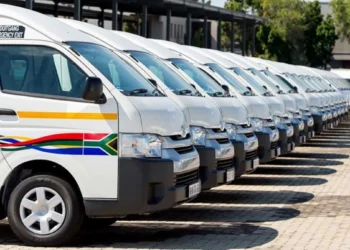
Under the amended framework, e-hailing operators are expected to hold valid operating licences, and vehicles must meet specific requirements intended to help passengers verify legitimate drivers and vehicles. The Department has also said e-hailing vehicles should be branded (or display signage) indicating they are e-hailing vehicles, and that panic buttons are required to support rapid emergency response. In addition, commuters are urged to confirm that driver and vehicle details show correctly in the app before travelling.
Why Uber and Bolt drivers could be affected
The immediate risk is not a blanket “ban” on Uber or Bolt as brands, but rather the legal status of the drivers and vehicles using the platforms if the correct licences are not in place by the end of the transition period. The Department’s position is that operators who do not convert in time can become illegal operators after the 180-day period.
A further complication is that drivers’ ability to convert depends on the platform’s compliance: the Department has stated that e-hailing platform providers must register their digital applications with the NPTR. If a platform is not registered, it may not appear in the databases used by provincial regulators, which can prevent or delay operating licence applications linked to that platform.
Industry reporting has suggested that the rollout has been slowed by administrative readiness and sequencing: platform registration, standard operating procedures, and provincial implementation steps have not always moved at the same pace. For example, Bolt has previously indicated it submitted registration to the NPTR and was awaiting feedback, while also waiting for provincial entities to publish implementation plans that outline province-by-province steps for compliance. That type of delay creates a practical risk for drivers who need to complete conversions before the deadline.
The March deadline and what it means
The Department has framed the compliance window as 180 days from 12 September 2025. That places the end of the transition period in mid-March 2026. With enforcement risk rising as the deadline approaches, drivers and platform providers face pressure to finalise registrations, conversions, and supporting documentation.
In practice, this means:
- Drivers still operating under older permit types (such as charter permits or certain meter taxi operating licences) may need to convert to the e-hailing operating licence category.
- Drivers will likely need to ensure their paperwork aligns with provincial requirements, including the correct operating area or jurisdiction set out in their operating licence.
- Platforms may need to ensure their apps are registered with the NPTR so drivers can complete conversions and new applications linked to those platforms.
What the Department says platforms must do
The Department has provided guidance that platform providers must register their digital platforms with the NPTR and has described a standard operating procedure for applications. This includes a specified application form and an application fee, with the registration intended to cover a multi-year period. The Department has also published NPTR contact details and indicated it would convene stakeholder engagements with platform companies around registration and compliance.
This platform registration point matters because it acts as a gatekeeper for downstream licensing processes: if the app is not registered, drivers using that platform may not be able to apply for, or convert to, the correct e-hailing operating licence through provincial regulators.
What drivers may need to do next
While requirements can differ in implementation detail by province, the compliance direction outlined publicly indicates drivers should prepare for a more formal operating-licence environment similar to other public transport categories.
Key steps commonly highlighted in official communications and related reporting include:
- Confirm the correct operating licence category
Drivers should establish whether their current operating authority needs conversion to an e-hailing operating licence and whether their provincial regulator is processing conversions for their area. - Ensure the platform is compliant
Drivers may need confirmation from the platform provider that the digital platform is registered with the NPTR, as this can affect provincial processing. - Meet vehicle and safety requirements
E-hailing vehicles are expected to be identifiable as e-hailing vehicles (branding/signage) and equipped with safety measures referenced by the Department, including panic-button requirements. - Prepare for jurisdiction limits
Licensing may specify where a driver is permitted to operate. This affects how drivers accept trips that cross provincial or municipal boundaries, and how they return after drop-offs.
Impact on commuters, pricing, and service availability
If a significant number of drivers cannot convert in time, commuters could feel the impact through fewer available vehicles during peak periods, longer wait times, and potential upward pressure on fares. For many South Africans, e-hailing is a daily transport option for work, education, and essential travel, especially in metros where traditional public transport coverage is uneven.
At the same time, government’s stated goal is to improve safety and accountability across the sector. If enforcement increases after the deadline, passengers may also see platforms tighten onboarding rules and verification processes, potentially removing drivers who cannot demonstrate compliance.
Penalties and enforcement risk
Government has warned that operating outside the legal framework can carry significant consequences. Official statements have referenced penalties for app developers that allow use of their platforms without valid operating licences, alongside the requirement that apps must be registered with regulators. While the practical enforcement approach may vary across provinces and municipalities, the compliance direction is clear: platforms and drivers are expected to be in the correct category and visible in regulatory databases.
What to watch in the coming weeks
As the deadline approaches, the most important signals for the market will be:
- NPTR updates on registered e-hailing platforms and published procedures
- Provincial regulator processing speed and any backlog-reduction measures
- Platform communications to drivers about conversion steps and timelines
- Enforcement messaging from transport authorities and metro law enforcement
If platform registration and provincial licensing systems do not align quickly, the risk of a compliance cliff increases—particularly for drivers whose ability to earn depends on being legally active on the apps.