






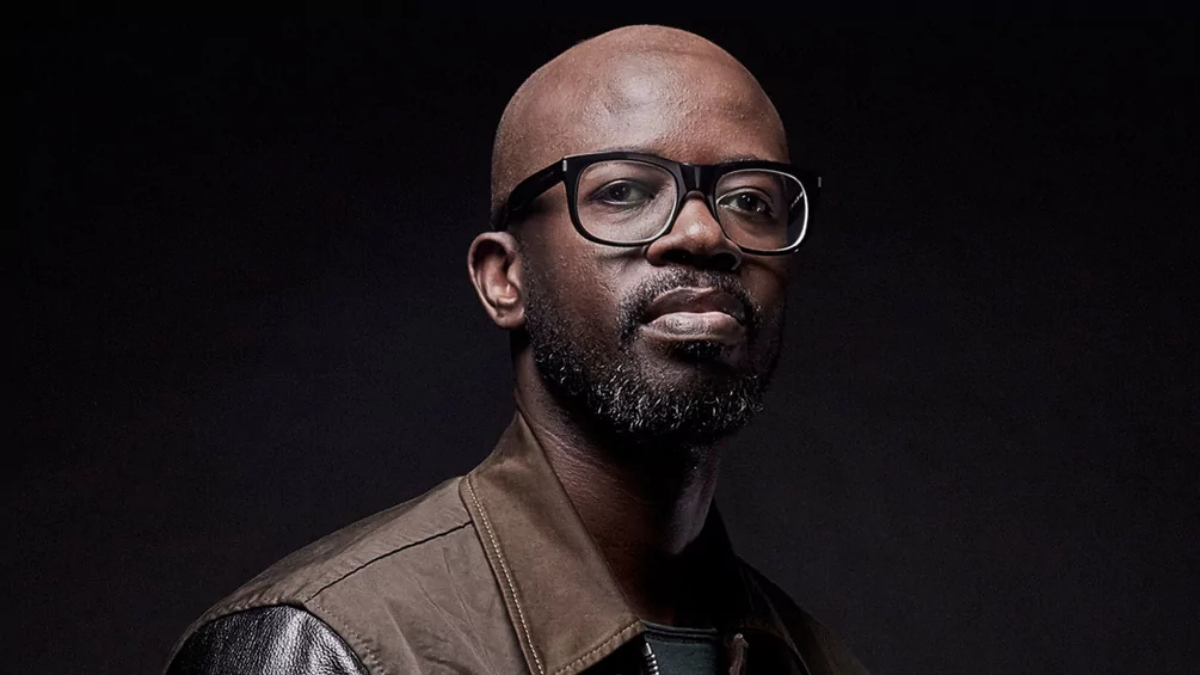
South African DJ Black Coffee is taking Maserati South Africa to court over a customised luxury vehicle valued at about R9 million. The case, filed through his company Soulistic Music in the Johannesburg High Court, seeks cancellation of the deal and repayment of a R7 million trade-in amount after the vehicle was allegedly not delivered by the deadline he says was agreed.
Maserati disputes that version of events. According to reporting based on the court papers and the company’s plea, the dealership says no July 2025 delivery deadline was ever agreed and argues that the vehicle could only move into production once Black Coffee’s customised specifications were finalised and approved.
The dispute matters because it goes beyond celebrity interest. It raises practical questions about how high-value bespoke vehicle orders are structured in South Africa, how trade-ins are treated when a second purchase is disputed, and how courts may weigh written quotations against partly oral agreements when delivery dates and specifications are contested. No court ruling has been reported at this stage, so the matter remains an unresolved civil dispute.
What we know so far
Black Coffee, whose real name is Nkosinathi Maphumulo, is a Grammy-winning South African artist, and the court action has drawn attention because it involves one of Maserati’s flagship super sports cars. The Recording Academy lists him as the winner of the 2022 Grammy for Best Dance/Electronic Music Album for Subconsciously. Maserati’s official site describes the MC20 Cielo as a high-end spyder model and links it to the brand’s Fuoriserie personalisation programme, which is designed for tailor-made configurations.
According to the reports reviewed, Maphumulo previously bought a Maserati MC20 Coupe from the same dealer in 2022 for R7 million and later decided to upgrade to an MC20 Cielo valued at about R9 million. He alleges that Maserati South Africa offered him R7 million as a trade-in on the earlier car, with the remaining R2 million to be paid on delivery of the new vehicle.
The reports say he ordered a heavily customised version of the vehicle, including a Sonus faber sound system, a specific exterior colour, glossy black diamond-cut wheels, and leather and Alcantara interior finishes. Those details matter because Maserati’s own official model pages show that the MC20 Cielo can be configured through its customisation programme and that features such as Sonus faber audio and Alcantara finishes form part of the model’s premium specification ecosystem.
Maphumulo’s claim, as reported by Sunday Times and Scrolla, is that the agreed delivery deadline was July 2025. He says the dealership then informed him on 3 June that the car would only enter production in August, without a confirmed delivery date, which he treats as a breach of the agreement. He is asking the court to cancel the deal and return the value of the R7 million trade-in.
Maserati South Africa’s response is materially different. The company says there was no agreed July 2025 deadline and that a fully customised MC20 Cielo requires at least nine months of production time from the date on which specifications are confirmed. It also says further colours and features selected by Maphumulo were not part of the original quotation and needed head-office approval before production timing could be fixed.
Why it matters
The Black Coffee Maserati dispute is significant partly because it reflects a broader issue in luxury retail and special-order manufacturing. When a product is built to unique specifications, the line between a fixed delivery promise and an estimated delivery window can become central to the contract itself.
That is especially important in a case involving a trade-in rather than a simple cash purchase. If a court eventually finds that the second transaction was validly cancelled, it may have to consider what happens to the vehicle or value already transferred into the deal. If it finds no breach, the dealership’s position on the trade-in and custom production process could carry greater weight. Those questions are why the case has more legal and consumer relevance than a typical celebrity motoring story. The underlying facts remain disputed.
There is also a reputational angle for both sides. For Black Coffee, the case places a private commercial dispute into the public record. For Maserati South Africa, it touches on customer expectations around bespoke orders, delivery communication and the handling of premium clients in a market where luxury vehicle sales depend heavily on trust, exclusivity and after-sales confidence.
Key details and figures
The numbers at the centre of the case
- The disputed Maserati MC20 Cielo is valued at about R9 million.
- Black Coffee says the earlier MC20 Coupe was accepted as a R7 million trade-in.
- The balance allegedly due on delivery was R2 million.
- The delivery date Black Coffee says was agreed was July 2025.
- Maserati says no such delivery date was ever agreed.
- Maserati says a customised vehicle such as the MC20 Cielo takes at least nine months to produce after final specifications are confirmed.
The product at the heart of the dispute
The vehicle itself helps explain why the argument is so technical. Maserati describes the MC20 Cielo as a super sports spyder and presents Fuoriserie as a programme that allows one-of-a-kind customer tailoring. On its model pages, the company highlights custom-oriented elements that include premium sound, Alcantara finishes, design detailing and bespoke visual treatments. That makes it plausible that production timing could depend heavily on final sign-off, although that point still does not settle whether a separate delivery promise may have been made in this specific transaction.
Timeline
2022
Black Coffee bought a Maserati MC20 Coupe from the same dealer for about R7 million, according to the reports on the court papers.
About two years later
He decided to upgrade to an MC20 Cielo, again according to the reported court version of events.
3 June 2025
Maphumulo says he was told the vehicle would only enter production in August and that no confirmed delivery date could be given.
4 June 2025
He allegedly received an email stating that a production slot had been secured for the Fuoriserie order because he is a globally recognised figure.
March 2026
The dispute surfaced publicly through reports saying the case had been filed in the Johannesburg High Court and that Maserati had already delivered its plea.
What the law or policy says
At its core, this appears to be a contract dispute rather than a regulatory enforcement matter. The court will likely have to assess what the binding terms of the deal actually were, whether the quoted and oral elements formed one enforceable agreement, and whether the delay alleged by Maphumulo was serious enough to justify cancellation and repayment.
The case may also turn on evidence of communication between the parties. If the delivery month was expressly promised, that would strengthen the artist’s case. If the court instead accepts Maserati’s account that production timing was always conditional on final custom approval, the company’s defence becomes stronger. Those are the issues that make documentary records, quotations, emails and specification approvals important in a case like this. The claims remain contested and no judgment has yet been reported.
What happens next
The next formal step is the ordinary court process. Because both sides have materially different versions of the agreement, the dispute is unlikely to turn on publicity alone. It will depend on pleadings, documentary proof and, if the matter is not settled, a court’s view of whether Maserati breached an agreed delivery obligation or whether Black Coffee sought cancellation before the custom order process had been properly completed.
There is no public judgment yet, and no publicly accessible court filing link was located in the material reviewed for this article. That means the most reliable public account currently available comes from reporting that quotes the filed papers and Maserati’s plea. Until the court rules or the parties settle, the Black Coffee Maserati lawsuit remains an active civil dispute rather than an established finding against either side.