








Parrot eggs seized at OR Tambo have hatched in Pretoria
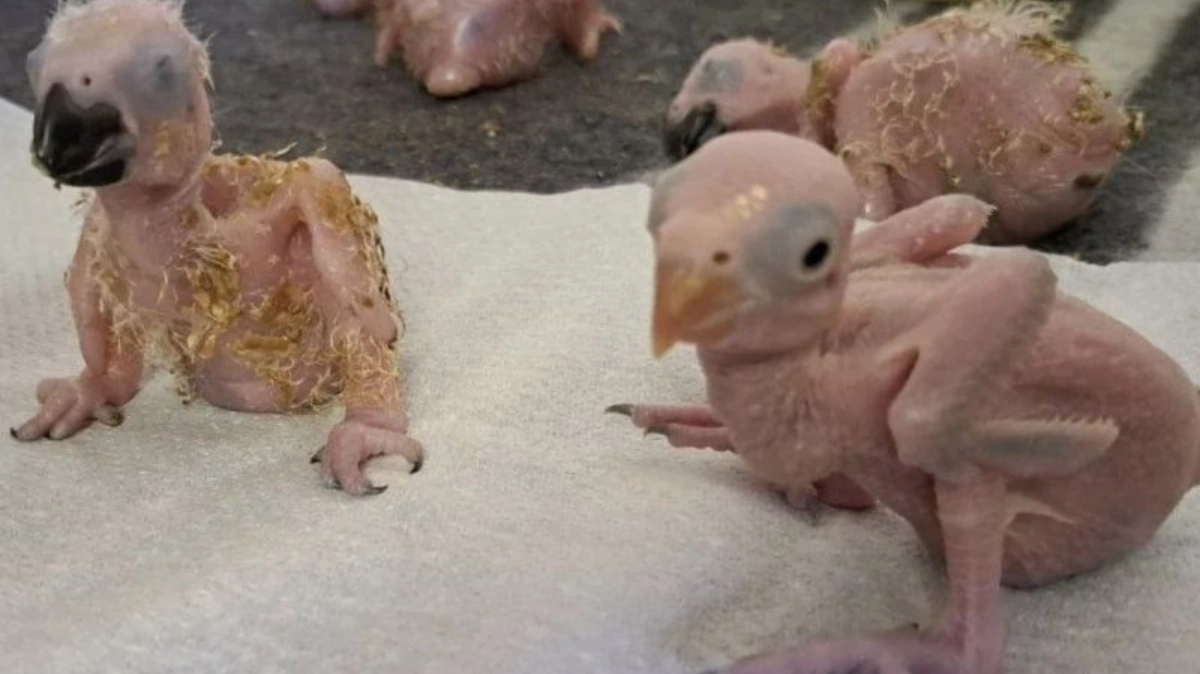
Several of the parrot eggs seized during two smuggling interceptions at OR Tambo International Airport have hatched, and the chicks are now being raised in Pretoria.
The Department of Forestry, Fisheries and the Environment said staff at the South African National Biodiversity Institute’s National Zoological Garden are incubating the seized eggs and providing the hatchlings with veterinary and husbandry care.
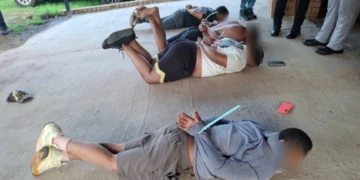
The most recent arrest was made on Thursday 20 August 2026. A 50-year-old Thai national was stopped at the airport allegedly carrying 50 bird eggs in a homemade incubator bag in his hand luggage.
Preliminary investigations indicate the eggs came from parrot species listed under the Convention on International Trade in Endangered Species of Wild Fauna and Flora. The species has not been confirmed.
David Maynier, Minister of Forestry, Fisheries and the Environment, welcomed the arrests, saying the criminal networks behind wildlife trafficking can only be challenged by a (cite index=”38-1″>”coordinated defence of our natural heritage”.</cite> He thanked the agencies involved and SANBI staff caring for the eggs and hatchlings.
Both men are accused. Neither has been named publicly, no plea has been recorded, and investigations into both cases are continuing.
Why 468 eggs in five weeks matters for South Africa’s wild parrots
The two interceptions account for 468 eggs taken in just over five weeks at a single airport.
The department said the illegal collection and trafficking of parrot eggs poses a serious threat to wild bird populations and animal welfare. Eggs are typically concealed in improvised incubation devices and carried in conditions that compromise their viability and endanger developing embryos.
That is the part a reader can see in the outcome. Only some of the seized eggs hatched, and the department has not said how many.
The arrests followed a joint intelligence-driven operation led by the department’s Environmental Management Inspectorate, known as the Green Scorpions, working with SAPS Crime Intelligence and SAPS Border Police, supported by the SAPS Stock Theft and Endangered Species Unit.
Southafriworld has previously reported on South Africa’s trophy export quotas and on an Interpol drug trafficking arrest in South Africa, both of which involve the same enforcement question of what leaves the country through regulated channels and what does not.
The two interceptions, and what the law says
| Detail | 16 July 2026 | 20 August 2026 |
|---|---|---|
| Eggs seized | 418 | 50 |
| Accused | 23-year-old Thai national | 50-year-old Thai national |
| Concealment | Two homemade incubator bags | One homemade incubator bag in hand luggage |
| Species finding | Parrot eggs | Parrot species listed under CITES, preliminary |
| Case status | Investigation ongoing | Investigation ongoing |
The export of specimens from CITES-listed species is strictly regulated and requires permits from both the exporting and the importing country.
Under the National Environmental Management: Biodiversity Act, a person convicted of certain offences can face a fine of up to R10 million, imprisonment for up to 10 years, or both. AFP put the rand figure at roughly 627,000 United States dollars.
The department has framed the two cases as evidence of increasingly sophisticated transnational trafficking networks. It pointed to the National Integrated Strategy to Combat Wildlife Trafficking, which coordinates government departments, police, conservation authorities, customs officials, prosecutors and international partners.
OR Tambo has featured in other enforcement actions this year, including an arrest at the airport by the Hawks, and border controls have tightened through the mandatory traveller declaration system.
What happened the last time eggs left Johannesburg in a smuggler’s luggage
There is a documented precedent, though it involves different species in a different jurisdiction and should be read as an indication of scale rather than a forecast.
Jeffrey Lendrum, a former Rhodesian SAS soldier with Irish and Zimbabwean citizenship, was arrested at Heathrow Airport after arriving on a flight from Johannesburg, where he had been living. He was carrying 19 rare bird eggs strapped to his chest, including hawk, eagle and vulture eggs, and two had already hatched.
He pleaded guilty to four offences and was sentenced to three years and one month in prison. The Crown Prosecution Service put the value of the eggs at up to 127,000 United States dollars.
An earlier case is more instructive on the birds themselves. Lendrum was caught at Birmingham Airport with 14 peregrine falcon eggs taken from nests in south Wales, incubated in socks and strapped to his body. Eleven of those eggs hatched, the chicks were successfully raised, and most were released into the wild in Scotland.
Those figures describe different birds, a different country and a different legal system, but they show that hatchlings from seized eggs can be raised and, where the origin is known, returned to the wild.
What has not been established
Several things remain open in the South African cases.
The parrot species has not been confirmed, and the department has described its finding as preliminary. The number of eggs that hatched has not been stated. No value has been placed on either consignment. No court appearance dates have been announced.
Whether the Pretoria chicks can ever be released is also undetermined. Release depends on identifying the species and the wild population the eggs were taken from, and neither has been made public.
The department said it will continue working with local and international partners to identify and prosecute the individuals and criminal networks behind the illegal wildlife trade.
Two things follow from here. The SAPS investigations into both cases continue, and any prosecution decision rests with the National Prosecuting Authority once that work is complete.