



What we know so far
Nigeria’s Ministry of Foreign Affairs has summoned the Acting High Commissioner of South Africa for a formal meeting scheduled for Monday, 4 May 2026, at the ministry’s headquarters in Abuja.
In a statement issued on Saturday, ministry spokesperson Kimiebi Imomotimi Ebienfa confirmed that the engagement is intended to convey Nigeria’s concerns over anti-foreigner violence affecting Nigerian citizens and their businesses in South Africa. The ministry described the meeting as an effort to address developments that could strain bilateral relations between the two countries.
Ebienfa stated that discussions would centre on ongoing demonstrations by groups across South Africa and what the ministry described as documented cases of mistreatment of Nigerian citizens and attacks on their businesses.
Nigeria is the second African country in less than two weeks to summon a South African diplomatic representative over the unrest. Ghana’s Foreign Affairs Minister, Samuel Okudzeto Ablakwa, summoned South Africa’s acting high commissioner on 23 April after incidents in KwaZulu-Natal involving the harassment of a Ghanaian national who was told to leave the country despite holding legal residency.
Why it matters
The diplomatic confrontation marks a significant escalation in the fallout from a sustained wave of anti-foreigner protests that has swept through several South African cities since mid-April 2026. The violence has drawn responses from multiple governments, the United Nations and South Africa’s own presidency, placing the country’s continental relationships under strain at a politically sensitive moment.
South Africa and Nigeria are the two largest economies on the African continent and maintain extensive trade, investment and political ties. Recurring episodes of violence against foreign nationals in South Africa have periodically tested that relationship, most notably during major xenophobic outbreaks in 2008, 2015 and 2019.
This latest cycle of unrest carries additional diplomatic weight because it has drawn formal responses from multiple countries simultaneously. Beyond Nigeria and Ghana, Zimbabwe’s embassy in South Africa and its consulates in Johannesburg and Cape Town issued urgent safety advisories to Zimbabwean nationals, warning them to avoid protest areas and remain indoors.
The Nigerian Consulate General in Johannesburg issued a security circular on 22 April 2026, reporting that protests in East London, Cape Town, Durban and parts of KwaZulu-Natal had turned violent, resulting in looting, property destruction and injuries. The consulate warned that further demonstrations were planned in Gauteng Province between 27 and 29 April.
The Nigerians in Diaspora Commission responded by advising Nigerian business owners to shut their premises on Freedom Day and to consider remaining closed for the following two days. The commission said foreign-owned businesses are frequently targeted during periods of unrest.
Key details and figures
South Africa’s official unemployment rate stood at 31.4% in the fourth quarter of 2025, according to Statistics South Africa, with approximately 7.8 million people out of work. Youth unemployment among those aged 15 to 24 remained at 57%. These figures form the economic backdrop against which anti-foreigner sentiment has intensified, with protest groups arguing that foreign nationals are competing with South Africans for scarce employment opportunities.
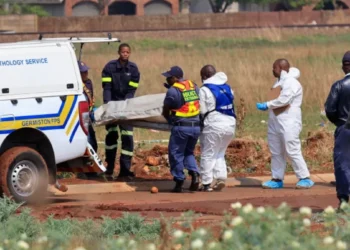
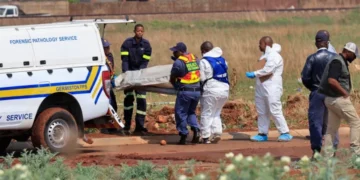
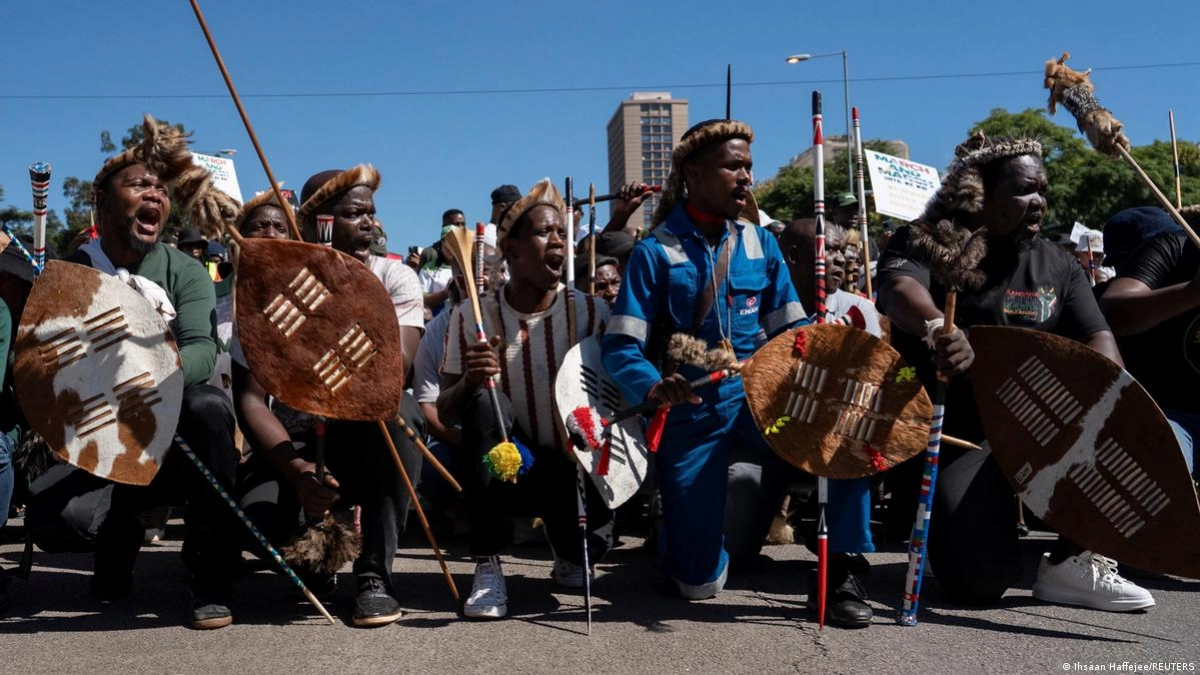
Anti-migrant marches have been led by organisations including March and March and Operation Dudula across Johannesburg, Pretoria, Durban and other cities. Protesters have demanded tighter immigration controls, stricter visa regulations and action against businesses employing undocumented foreign nationals. Reports indicate that some protesters targeted schools, attempting to prevent children of foreign nationals from entering classrooms. The unrest has reportedly resulted in fatalities, including two Nigerian nationals, according to multiple Nigerian media outlets citing diaspora sources.
UN Secretary-General Antonio Guterres issued a statement on 28 April expressing deep concern over the violence. The UN condemned what it described as criminal acts perpetrated by individuals inciting violence and exploiting socioeconomic conditions. Guterres reminded South Africa that its own struggle against apartheid was built on a foundation of African and global solidarity. He called for prompt, independent and impartial investigations into all incidents of violence against foreign nationals.
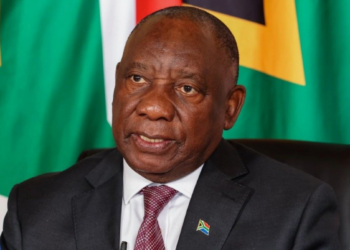
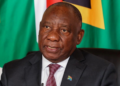
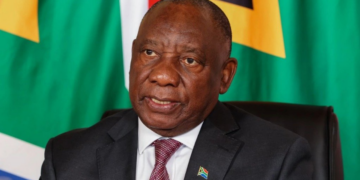
President Cyril Ramaphosa addressed the issue directly during his Freedom Day speech in Bloemfontein on 27 April. Speaking at the Dr Rantlai Molemela Stadium, Ramaphosa warned against allowing legitimate concerns about illegal migration to breed prejudice against fellow Africans. He stated that the government is clamping down on illegal migration, rooting out corruption in the immigration system and will not allow people to take the law into their own hands.
Nigeria’s Ministry of Foreign Affairs acknowledged growing public anger among Nigerians over the treatment of their nationals but urged calm. The ministry reiterated the federal government’s commitment to protecting the rights and welfare of Nigerian citizens residing in South Africa.
What happens next
The meeting between Nigerian officials and South Africa’s Acting High Commissioner on Monday is expected to set the tone for diplomatic engagement in the coming weeks. The outcome could determine whether the situation de-escalates or whether further measures, including potential trade or travel restrictions, come under discussion.
Ghana’s Foreign Ministry has indicated it will pursue continued diplomatic engagement until the safety of Ghanaian nationals in South Africa is assured. Ghanaian civic organisations have called on President John Mahama to engage Ramaphosa directly at a head-of-state level.
The South African government has committed to a crackdown on perpetrators of anti-foreigner violence, though the specific mechanisms and timeline for that response have not been publicly confirmed. KwaZulu-Natal Premier Thamsanqa Ntuli addressed the issue at the 2026 KZN Jobs and Skills Summit on 29 April, maintaining that no xenophobia exists in the province, a characterisation at odds with reports from the UN, foreign governments and media organisations documenting violent incidents.
South Africa’s standing on the continent is at stake. The African Union and regional trade bodies have consistently called for the free movement of people across borders as a condition of deeper economic integration. Continued attacks on foreign nationals risk long-term damage to South Africa’s relationships with continental partners, several of whom have now raised the matter through formal diplomatic channels. The situation also poses risks for South African companies with significant operations across the continent, including MTN, Standard Bank and others, which could face retaliatory action as the crisis becomes a global story.
Whether the South African government’s stated commitment to enforcement produces visible results in the coming days will be closely watched by affected governments, international observers and South Africa’s own business community.