






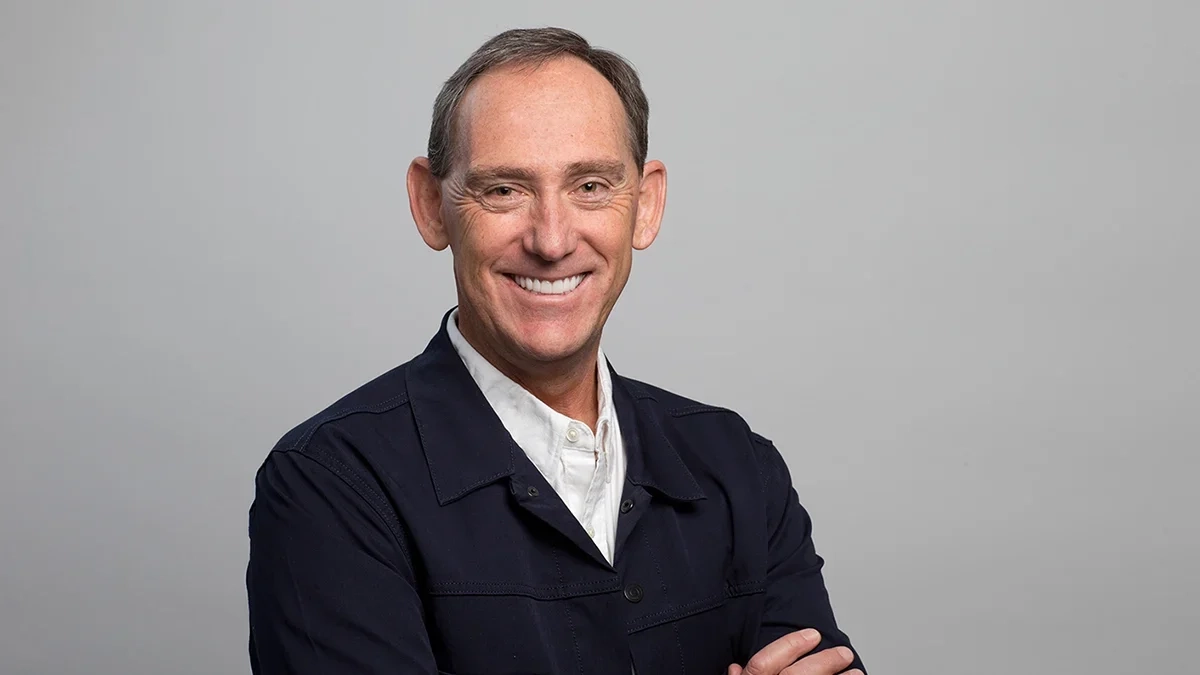
Woolworths has confirmed a major leadership change, with group chief executive Roy Bagattini set to retire and Sam Ngumeni appointed as his successor. The retailer said Bagattini will retire at the end of September 2026, while Ngumeni will officially take over as group CEO from 1 June 2026. Bagattini will step down as CEO and executive director on 31 May and remain involved during the handover period.
The announcement is important for South African retail because it signals continuity rather than disruption. Woolworths is not bringing in an outsider to reset the business. Instead, it has chosen one of its longest-serving senior leaders, who already runs the food division and has held senior operational roles across the group, including chief operating officer and CEO of Woolworths Financial Services.
Woolworths says the handover is part of a long-planned succession process
In its official announcement, Woolworths said the leadership change follows a comprehensive succession plan that had been in process for some time. The company said the timing reflects what it sees as significant progress in the strategic repositioning of the group, with the board and Bagattini concluding that this is the right moment to transition leadership as the business builds on what it described as strengthened foundations and improved growth prospects.
That framing matters because it suggests the move is not being driven by an abrupt crisis or boardroom fallout. It is being presented as the next phase of a planned corporate strategy, with Woolworths trying to hand over from one internal turnaround era to another without breaking momentum. For investors and the broader market, that is usually a more reassuring signal than a sudden forced exit.
What Roy Bagattini leaves behind
Bagattini’s tenure was marked by several big strategic moves that reshaped Woolworths. The company said he oversaw the disposal of David Jones, the deleveraging of the balance sheet, increased investment in core South African assets, the acquisition of Absolute Pets, the launch of Woolworths Ventures and the group’s first-ever share buyback programme. Woolworths also credited him with repositioning the apparel businesses in South Africa and Australia to improve their longer-term competitiveness.
Those are not small changes. They speak to a period in which Woolworths tried to simplify the group, strengthen capital allocation and focus more directly on the operations with the best long-term return prospects. Reuters separately noted that the company under Bagattini sold the underperforming David Jones chain, reduced debt and increased investment in its South African operations.
For Woolworths, that creates a cleaner backdrop for the incoming CEO. Ngumeni is not stepping into the same balance-sheet and portfolio structure the company had several years ago. He is taking over a business that has already been materially reworked and is now being asked to execute more sharply from that new base.
Why Sam Ngumeni was the obvious internal choice
Woolworths’ case for Ngumeni is built around depth, continuity and execution. The company said he has been with the group for almost 30 years and has served as an executive director since 2014. It also highlighted his experience across a wide spread of functions, including stores, supply chain, online, IT, data and analytics, real estate, the rest of Africa business and Australian operations.
The strongest part of his record is his more recent time running Woolworths Food. Woolworths said Ngumeni has led continued above-market performance in the food business and further strengthened its leadership in premium food retailing in South Africa. Chairman Clive Thomson said Ngumeni had a proven ability to set clear strategic priorities and execute against them, while also describing him as a respected executive with deep institutional knowledge and strong commercial judgement.
That makes the appointment easier to understand in the current market context. In Woolworths’ interim results for the 26 weeks to 28 December 2025, group turnover and concession sales rose 5.4% to R42.473 billion. Woolworths South Africa delivered above-market growth of 6.8%, while the food business grew turnover and concession sales by 7.0%, with comparable-store growth of 5.2%. Woolies Dash sales grew 23.0%, with the online channel contributing 7.2% to South African food sales.
In other words, Woolworths has just elevated the executive running one of the group’s best-performing engines. That is a strong signal about what the board values most right now: operational execution, premium positioning, food leadership and controlled growth in a still-pressured consumer environment.
What this means for shoppers and investors
For shoppers, the immediate effect is likely to be continuity rather than sudden change. Woolworths has not announced a strategic pivot tied to the appointment. Instead, the board’s language suggests it wants Ngumeni to intensify execution in a fast-changing retail environment, not tear up the current playbook. That points to continued focus on product availability, digital channels, customer experience and the premium food and apparel positioning the group has been defending.
For investors, the more relevant question is whether Ngumeni can translate his food-division success across the wider group. Woolworths’ interim results showed adjusted diluted headline earnings per share up 0.7% to 170.3 cents and headline earnings per share up 9.6% to 167.4 cents, while the group said cash conversion improved to 109.8% and net debt to EBITDA sat at 1.48 times. Those numbers show a business that is more stable than it was in earlier restructuring years, but still operating in a demanding environment where growth has to be earned carefully.
That is why this appointment matters beyond the headline. Woolworths is effectively betting that a proven internal operator can drive the next stage of value creation better than an external change candidate. If that call is right, the group could enter its next phase with less disruption and a sharper focus on execution. If not, the company may later face more pressure to look outside its own ranks.
As Southafriworld has noted in its broader business coverage, leadership changes at major South African retailers often matter far beyond the boardroom because they influence pricing, expansion, supplier relationships, online investment and how consumers experience some of the country’s biggest brands.
A short timeline of the change
- 3 March 2026: Woolworths published interim results showing continued growth in sales and strong food performance.
- 12 March 2026: Woolworths announced that Roy Bagattini will retire at the end of September 2026 and that Sam Ngumeni will become group CEO from 1 June 2026.
- 31 May 2026: Bagattini will step down as group CEO and executive director.
- 1 June 2026: Ngumeni takes over as group CEO.
- End of September 2026: Bagattini retires from the company after the transition period.
What happens next
The next few months will be about transition discipline. Woolworths has tried to reduce uncertainty by announcing both the effective leadership date and the end of Bagattini’s retirement timeline in one move. That gives the market a defined handover period and gives Ngumeni time to take control while still having access to the outgoing CEO during the transition.
The bigger test will come after 1 June. Ngumeni’s appointment has been sold to the market as a continuity-and-execution choice backed by deep internal knowledge and a strong performance record in food. If Woolworths can keep momentum in food, strengthen apparel further and hold its customer appeal in a tough consumer economy, the board’s decision will look like a well-timed succession. For now, the message from Woolworths is straightforward: the Bagattini era is ending, but the company wants the next phase to begin from a position of stability rather than upheaval.