



South Africa has secured the return of 11 men who the government says were lured into the battle lines between Russia and Ukraine, following months of diplomatic engagement with Moscow. The Presidency said the men are expected to return home soon, bringing the total number of South Africans repatriated in this matter to 15.
The development follows distress calls received late last year from a group of 17 South Africans who reported being trapped in the Donbas region after being recruited under false pretences. President Cyril Ramaphosa’s office says an investigation into the recruitment network is ongoing.
What the Presidency announced
In a statement issued in Pretoria on 24 February 2026, the Presidency said government, working with Russian authorities, had secured a safe return for the group. It said four of the 17 men are already back in South Africa, and 11 will be “on their way home soon.”
The statement also confirmed that two men remain in Russia. One is in a hospital in Moscow, and the other is being processed before finalising travel arrangements. The South African embassy in Moscow will monitor the hospitalised individual until he is able to travel, the Presidency said.
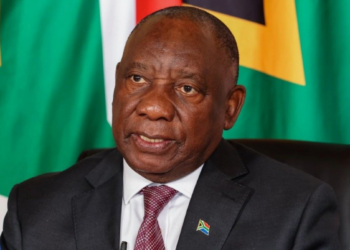
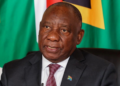
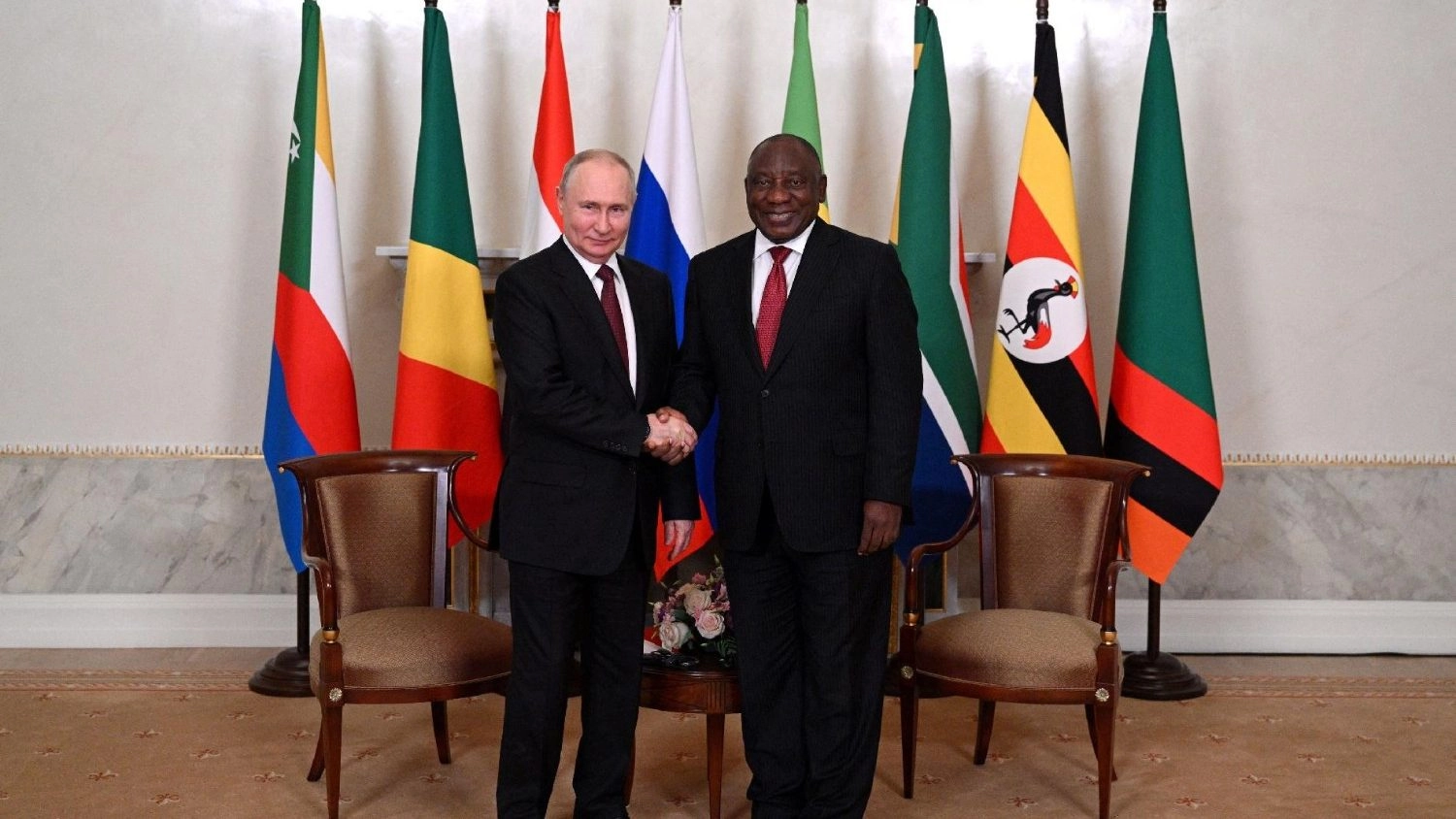
The Presidency attributed progress on the repatriations to direct engagement between Ramaphosa and Russian President Vladimir Putin, including a telephone call on 10 February 2026 in which Putin pledged support for the men’s return.
Who the men are, and how the case emerged
The first public government account of the case was released in November 2025. At the time, the Presidency said it had received distress calls from 17 South African men aged 20 to 39 who were trapped in the Donbas region. It said 16 of them were from KwaZulu-Natal and one was from the Eastern Cape.
The Presidency statement, as reported by government news service SAnews, said the men were lured to join mercenary forces involved in the Russia Ukraine war under the pretext of lucrative employment contracts. Ramaphosa ordered an investigation into the circumstances that led to their recruitment, and government said it would use diplomatic channels to secure their return.
In the latest 24 February statement, the Presidency again described the men as having been lured into the conflict by “South African elements that remain under investigation.” It did not name individuals or provide details of any suspects.
What is known about the return process
Government has not published a detailed travel timetable for the 11 men, but it has confirmed that repatriations are underway and that coordination with Russia has been central to moving them out of the conflict zone and back to South Africa.
International reporting has broadly aligned with the Presidency’s account, stating that 11 men from the group are set to return after an initial four arrived back in South Africa last week, and that two remain in Russia, including one who is hospitalised in Moscow.
The Presidency has not said whether the returning men will face immediate criminal charges. It has emphasised that an investigation into the recruitment and alleged mercenary activity remains active.
The legal framework South African authorities are referencing
South Africa’s official position has consistently highlighted that participation in foreign armed conflicts can trigger criminal exposure under local law if it is not authorised.
Government communication in November referenced the Regulation of Foreign Military Assistance Act, which regulates foreign military assistance by South African citizens and entities and requires authorisation for such activity.
South Africa also has the Prohibition of Mercenary Activities and Regulation of Certain Activities in Country of Armed Conflict Act, which prohibits mercenary activity and regulates military related assistance and enlistment in a country of armed conflict.
Authorities have not publicly detailed which statute could be applied to the returning men, if any. The most consistent public focus has been on investigating the recruiters and the circumstances of recruitment, rather than announcing prosecutions against the individuals who say they were deceived.
Why this case is drawing regional attention
The return of the 11 men has landed amid broader international reporting about foreign nationals being recruited for Russia’s war effort through promises of employment, training, or high pay. Reuters has reported that such cases have become more frequent and have created tensions between Russia and some countries whose nationals have been caught up in the conflict.
South Africa’s government has framed the issue as exploitation of vulnerable young people and has condemned the recruitment practices described in the men’s distress calls.
What happens next
The next steps depend on the logistics of the men’s arrival and the outcome of the ongoing investigation.
Key issues expected to follow include:
- Confirmation of arrival details for the 11 men and the arrangements for the two still in Russia
- Continued consular monitoring by the South African embassy in Moscow for the hospitalised individual
- Progress in the investigation into the recruitment network, including whether arrests or formal charges follow
- Further government guidance on how South Africa will handle similar cases involving recruitment into foreign armed conflicts
For now, the Presidency’s position is that the priority has been safe return and ongoing investigation, with diplomatic engagement credited for unlocking the repatriation process.