





South Africa Infrastructure Crisis: Why Experts Are Sounding the Alarm
South Africa is facing a mounting infrastructure crisis that experts warn could become more damaging than load shedding, with long-term consequences for public health, economic activity, and social stability. While electricity shortages have dominated public attention for years, engineers and infrastructure specialists are increasingly concerned that failures in other essential systems, particularly water and sanitation, pose an even greater risk.
The warning was highlighted in recent reporting by BusinessTech, which drew on expert assessments showing that years of underinvestment, poor maintenance, and institutional weakness have left critical infrastructure in a fragile state.
Unlike electricity supply, which affects households and businesses in predictable cycles, failures in water and sanitation systems can have immediate and far-reaching consequences that are harder to contain or reverse.
Why This Crisis Is Different from Load Shedding
Load shedding, while disruptive, is managed through scheduled power cuts that allow households and businesses to plan around outages. Water and sanitation failures operate very differently.
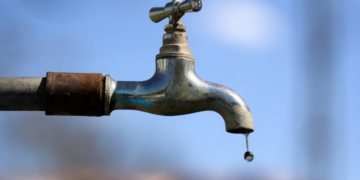
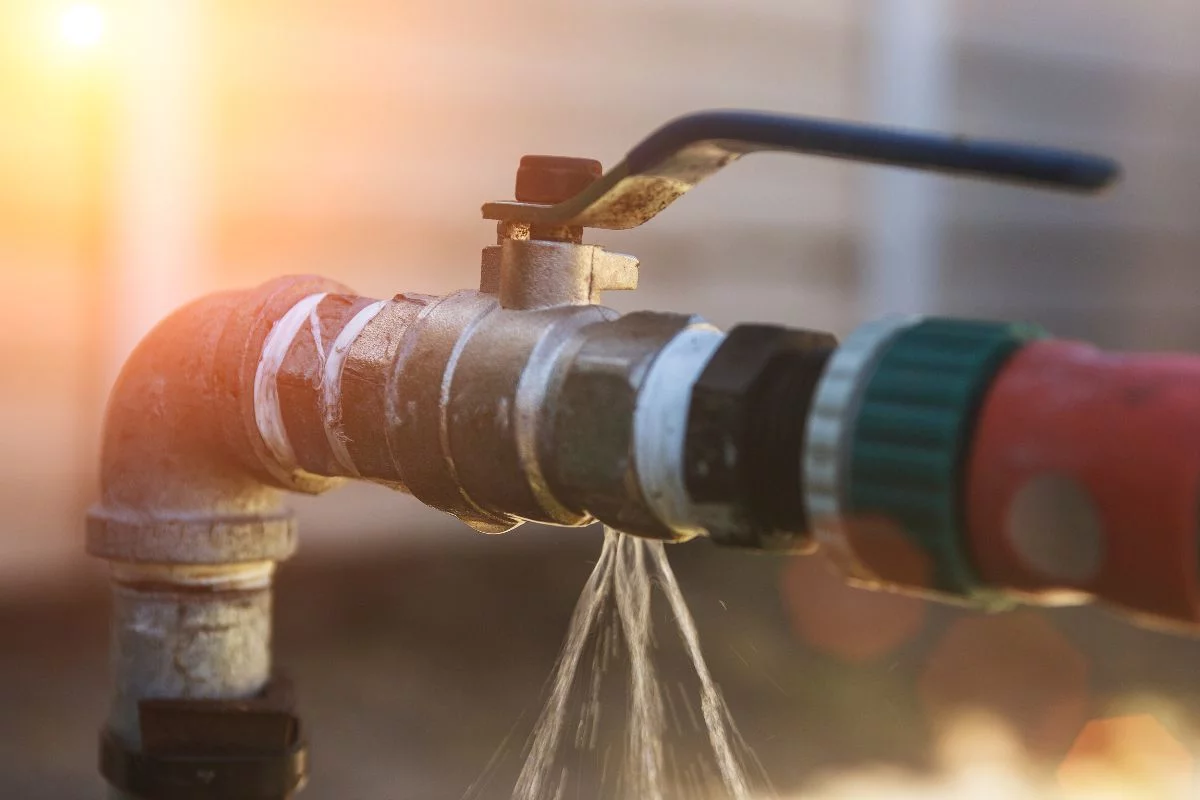
Infrastructure specialists point out that once water systems fail, the impacts can escalate rapidly. Burst pipes, failing pumps, and contaminated water supplies can leave entire communities without safe drinking water, disrupt healthcare facilities, and undermine basic hygiene.
In contrast to electricity generation, which is largely centralised, water infrastructure is spread across thousands of kilometres of pipes, treatment plants, and pumping stations. This makes failures more complex to detect, repair, and coordinate.
The State of South Africa’s Water Infrastructure
South Africa’s water infrastructure includes dams, treatment works, distribution networks, and wastewater facilities managed by municipalities and water boards. According to engineers cited in the reporting, much of this infrastructure is well past its intended lifespan.
Key concerns include:
- Ageing pipes that leak large volumes of treated water
- Poorly maintained wastewater treatment plants
- Shortages of skilled technical staff at municipal level
- Inadequate monitoring and maintenance budgets
In many municipalities, water losses through leaks and system failures exceed 40% of treated supply. This places strain on already limited water resources and increases the risk of system collapse during periods of high demand or drought.
Public Health and Environmental Risks
One of the most serious consequences of failing water and sanitation infrastructure is the risk to public health. When wastewater systems break down, untreated sewage can enter rivers and dams used for drinking water, agriculture, and recreation.
Health experts warn that this increases the risk of waterborne diseases, particularly in vulnerable communities with limited access to alternative water sources. Hospitals and clinics are also affected, as they depend on reliable water supply for infection control and patient care.
Environmental damage adds another layer of long-term cost. Polluted waterways can take years to recover, affecting ecosystems, tourism, and agriculture.
Economic Impact Beyond Households
The infrastructure crisis extends beyond basic services and into the broader economy. Businesses rely on consistent water supply for manufacturing, food production, mining, and services. Interruptions can halt operations, increase costs, and deter investment.
For agriculture, water system failures can be particularly damaging. Irrigation interruptions, contamination, or unreliable supply can reduce yields and threaten food security, especially in regions already under climate pressure.
Economists note that infrastructure reliability is a key factor in investor confidence. Persistent failures signal governance and capacity issues that can raise the perceived risk of doing business in South Africa.
Governance and Maintenance Challenges
Experts consistently point to governance and maintenance as central issues driving the crisis. While South Africa has the technical knowledge to manage complex infrastructure, implementation has been undermined by institutional weaknesses.
Common challenges identified by engineers include:
- Inconsistent maintenance planning
- Weak procurement and contract management
- Loss of experienced technical staff
- Fragmented accountability across government spheres
In many cases, emergency repairs are prioritised over long-term maintenance, creating a cycle where infrastructure degrades faster than it can be repaired.
Climate Pressure Adds to the Risk
Climate variability is intensifying pressure on water systems already under strain. Periods of drought reduce available supply, while intense rainfall can overwhelm ageing infrastructure, leading to flooding and contamination.
Infrastructure specialists warn that climate-related stress will magnify existing weaknesses unless systems are strengthened and managed proactively. Without intervention, failures are likely to become more frequent and severe.
Why This Is a National Issue
Although water and sanitation services are primarily managed at municipal level, the scale of the risk has elevated the issue to national importance. Systemic failures affect interlinked sectors, from healthcare and education to energy and agriculture.
Experts argue that addressing the infrastructure crisis requires coordinated action across government, including:
- Investment in maintenance and skills
- Clear accountability for performance
- Stronger oversight of municipal infrastructure
- Long-term planning aligned with climate realities
Without these measures, the cost of inaction could exceed the economic and social damage caused by years of load shedding.
What Happens Next
While some interventions are underway, including infrastructure funding allocations and support programmes, specialists caution that progress has been uneven. Restoring reliability to critical systems will take time, resources, and sustained political commitment.
For now, the warning from engineers is clear: electricity shortages may have prepared South Africans for disruption, but failures in water and sanitation systems could pose a deeper and more immediate threat to daily life.
As attention gradually shifts beyond power cuts, the infrastructure crisis facing South Africa is emerging as one of the country’s most pressing long-term challenges.