








South Africans across multiple provinces have taken part in coordinated public actions this week as part of the “South Africa Goes Purple” campaign, a nationwide movement calling for stronger action against femicide and gender-based violence (GBV).
The campaign encourages citizens to wear purple, light candles, and gather in public spaces to show solidarity with victims and to pressure authorities to prioritise prevention, policing, and justice. Organisers say the initiative is aimed at keeping the crisis in sustained national focus rather than allowing it to fade after individual tragedies.
Nationwide mobilisation gains momentum
Community-led events have been reported in major cities including Johannesburg, Cape Town, Durban, Gqeberha, and Polokwane, as well as in smaller towns and rural areas.
Activities linked to the campaign include:
- Purple-themed awareness days at schools and workplaces
- Silent candlelight vigils and moments of reflection
- Peaceful marches and neighbourhood walks
- Coordinated online awareness campaigns using the hashtag #SouthAfricaGoesPurple
Faith-based organisations have also participated, with some churches and mosques holding moments of silence to honour women lost to femicide.
Femicide rates remain among the world’s highest
South Africa continues to record one of the highest femicide rates globally. According to the South African Medical Research Council, the country’s femicide rate is estimated to be around five times higher than the global average 【SAMRC†L1-L4】.
Researchers and advocacy groups have repeatedly warned that while national strategies and awareness campaigns exist, conviction rates remain low, investigations are often delayed, and many families struggle to access justice.
Civil society groups drive the campaign
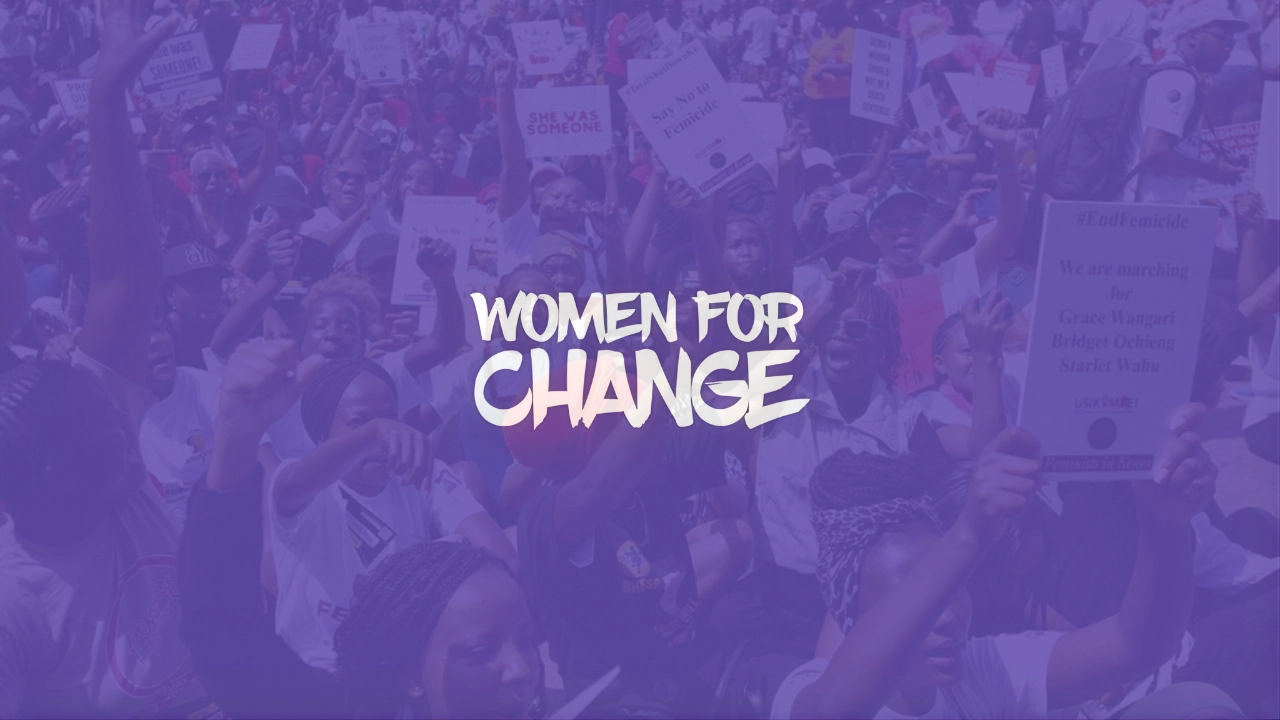
One of the organisations at the forefront of the movement, Women For Change, says the campaign is designed to make the scale of the crisis impossible to ignore.
In a public statement, the group said the aim is to ensure that femicide and violence against women remain a constant priority for government, law enforcement, and the justice system 【Women For Change†L1-L3】.
Advocacy organisations argue that public mobilisation plays a critical role in maintaining pressure on institutions responsible for prevention and accountability.
The symbolism behind the colour purple
Purple has long been associated with justice, dignity, and resistance within global women’s rights movements. In the South African context, campaign organisers say the colour has been adopted as a unifying symbol representing collective action and remembrance.
By encouraging visible participation, organisers believe the campaign helps build solidarity across communities while reinforcing calls for systemic change.
Calls for policy and policing reform
Alongside public demonstrations, activists are calling for concrete reforms to address gender-based violence more effectively. Key demands raised during the campaign include:
- Faster and more consistent investigations into GBV-related crimes
- Expanded access to specialised GBV courts in every province
- Stronger sentencing frameworks for repeat violent offenders
- Increased funding for shelters, counselling services, and survivor support programmes
Civil society groups argue that progress must be measured through clear outcomes, including improved conviction rates and reduced case backlogs.
Broader impact on communities
Analysts note that gender-based violence has far-reaching social and economic consequences, affecting families, workplaces, healthcare systems, and community stability.
Advocacy groups warn that without sustained intervention, violence against women will continue to undermine broader efforts to promote equality, safety, and social cohesion.
Ongoing pressure on authorities
Organisers of the “South Africa Goes Purple” campaign say the movement will continue beyond the current week of action. They have called on government departments, police leadership, and judicial authorities to engage more directly with affected communities and to report transparently on progress.
While authorities have previously committed to tackling gender-based violence through national strategies, activists maintain that public pressure remains essential to ensure implementation and accountability.