









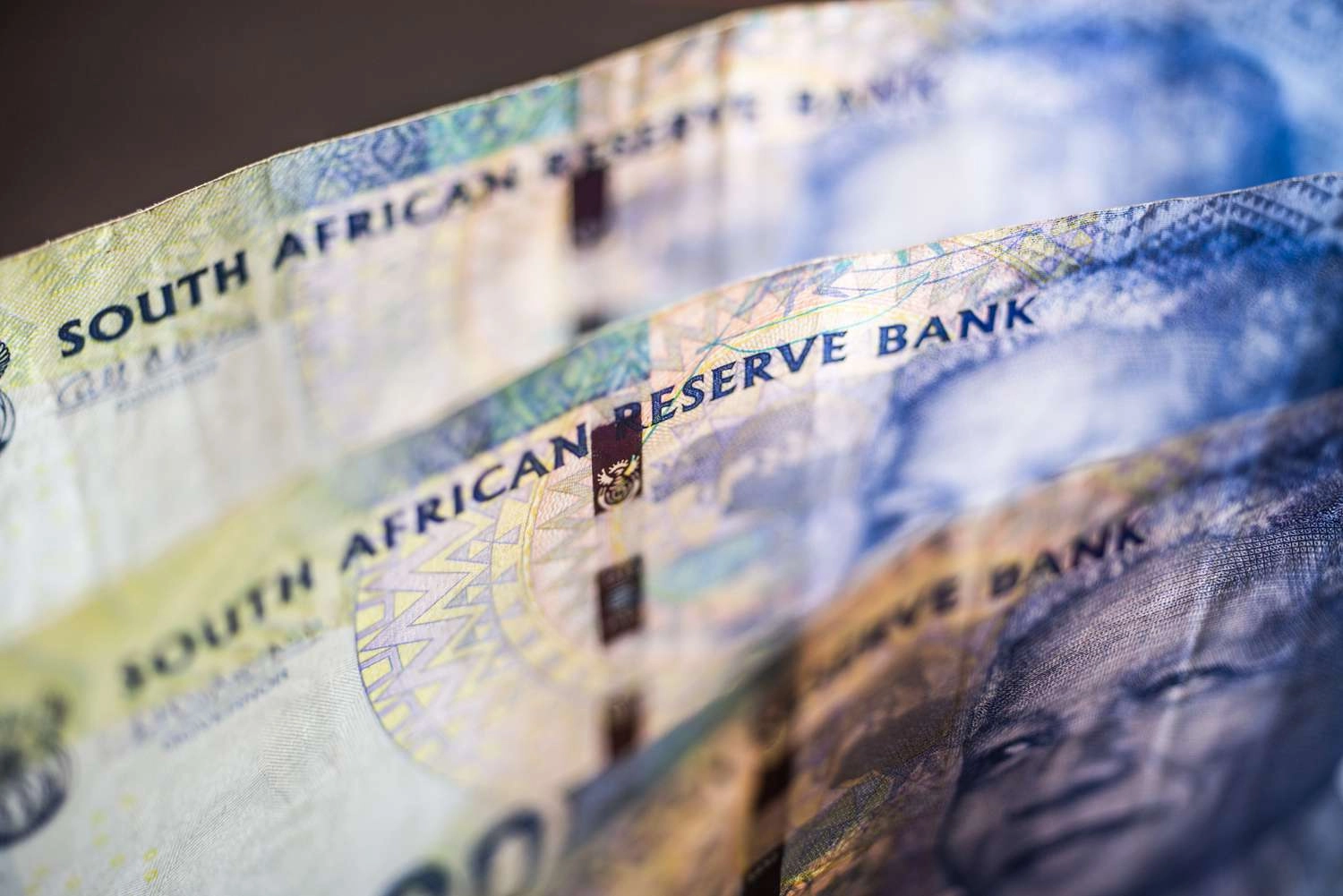
South Africa’s foreign reserves have strengthened after a sharp increase in the value of the country’s gold holdings, with the South African Reserve Bank (SARB) reporting a notable rise in gross reserves during the first half of 2025.
The increase has been largely attributed to higher global gold prices rather than new inflows, highlighting the growing importance of bullion in supporting South Africa’s reserve base amid ongoing global economic uncertainty.
Reserve figures show steady gains
According to the South African Reserve Bank, gross gold and foreign reserves rose from US$65.5 billion at the end of December 2024 to US$67.5 billion by the end of March 2025 【SARB†L1-L4】.
By the end of May 2025, SARB reported that gross reserves had increased further to approximately US$68.1 billion, reinforcing the impact of rising gold prices on the country’s reserve valuation 【SARB†L5-L8】.
The Reserve Bank has indicated that the increase was primarily driven by a higher US dollar gold price rather than changes in the volume of gold held.
Gold rally adds significant value to reserves
Reporting by Business Day indicates that SARB’s gold holdings gained roughly US$1 billion in value during March 2025 alone as bullion prices climbed 【Business Day†L1-L4】.
The same report estimates that SARB’s total bullion holdings are valued at about US$12.59 billion, with the recent gold rally playing a central role in boosting the overall reserve position 【Business Day†L5-L8】.
Analysts note that these gains are valuation-driven, reflecting market price movements rather than new reserve accumulation.
Global central banks increasing gold exposure
International trends suggest that South Africa is not alone in benefiting from higher gold prices.
The World Gold Council has reported a sustained shift among central banks toward gold as a strategic reserve asset. In its 2025 central bank survey:
- 95% of central banks said they expect global gold reserves to increase over the next 12 months
- A record 43% indicated plans to increase their own gold holdings
The Council cited gold’s role in hedging against inflation, managing geopolitical risk, and diversifying reserve portfolios 【WGC†L1-L6】.
Gold increasingly viewed as a strategic asset
According to reporting by Engineering News, central banks are now treating gold as a long-term strategic asset rather than a passive store of value 【Engineering News†L1-L3】.
The publication noted that reserve managers are more actively managing gold holdings as part of broader risk-management strategies, particularly in response to global financial volatility.
Why the reserve increase matters for South Africa
Economists say the gold-driven increase in reserves carries several implications for South Africa’s economic position.
A stronger reserve base improves SARB’s international liquidity position, which can help cushion the economy against external shocks such as capital outflows or currency volatility.
Higher reserve values may also support investor confidence by signalling improved financial resilience, especially when gains are driven by real asset price increases rather than exchange-rate movements.
A hedge, but not without risks
While gold has strengthened SARB’s reserve position, analysts caution that reliance on bullion valuations carries risks.
Gold prices are inherently volatile, meaning that valuation gains could reverse if global prices decline. In addition, gold is less liquid than currency reserves, making rapid conversion into cash more complex during periods of financial stress.
Reserve diversification remains a key consideration, with economists stressing the importance of balancing gold holdings against other liquid foreign assets.
Part of a broader global shift
SARB’s experience reflects a broader global trend in which central banks are leaning more heavily on gold to reinforce financial stability.
As geopolitical uncertainty, inflation concerns, and market volatility persist, analysts expect gold to remain a central component of reserve strategies worldwide — with South Africa’s reserve position continuing to be influenced by movements in the bullion market.