



What we know so far
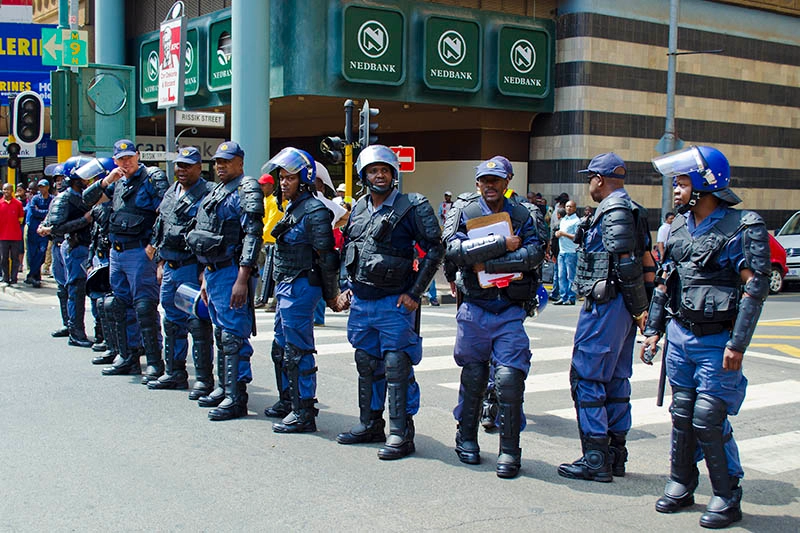
The South African Police Service says it is fully prepared for nationwide demonstrations planned for 30 June 2026.
Acting National Police Commissioner Puleng Dimpane said extensive planning had been undertaken at national, provincial, and local levels. She was speaking after meeting the Private Security Industry Regulatory Authority and private security companies.
Dimpane said SAPS is working closely with other law enforcement agencies, including metro police and the private security industry. She described private security as a critical partner and an important force multiplier for law enforcement.
The demonstrations are linked to calls by the civic movement March and March and other groups for undocumented foreign nationals to leave the country by 30 June.
Dimpane said police would protect lawful and peaceful demonstrations as provided for in the Constitution, while acting decisively against criminal conduct.
She said the blocking of roads, intimidation of communities, destruction of property, attacks on businesses, looting, and violence would not be tolerated.
The acting commissioner said authorities were determined that South Africa must never again experience the destruction and instability seen during the July 2021 unrest.
Why it matters
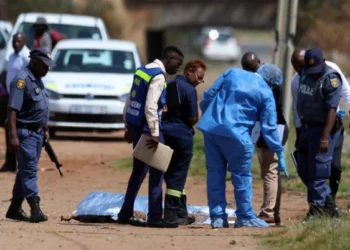
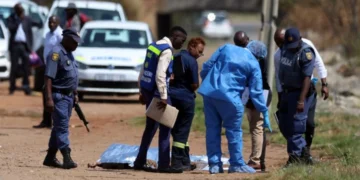
The preparations follow a series of violent incidents linked to anti-immigrant action. According to reports, a 29-year-old Malawian man was killed and two other foreign nationals were attacked by a vigilante group in Pietermaritzburg on 20 June.
Earlier in the month, two Mozambican nationals were reported killed in Mossel Bay in the Western Cape during violence against foreign nationals. These incidents have raised concern about safety ahead of 30 June.
The 2021 unrest provides the backdrop to the official response. That violence, which followed the imprisonment of former president Jacob Zuma, left more than 350 people dead and caused economic damage estimated by the South African Human Rights Commission at around R50 billion.
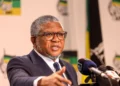
The scale of the police operation reflects that concern. Acting Police Minister Firoz Cachalia said earlier in the week that the special operation would cost more than R600 million.
The cost has drawn scrutiny. Cachalia said the estimate was supplied to him by Dimpane and that a detailed breakdown had not been provided. Critics have argued the money could be better spent addressing the underlying causes of public frustration.
The diplomatic stakes are also significant. Several countries, including Malawi, Ghana, and Nigeria, have repatriated some citizens from South Africa amid the tensions.
Key details and figures
Cachalia announced the operation at a press conference on 22 June, alongside Defence Minister Angie Motshekga and Dimpane.
SAPS has ramped up operational readiness across all nine provinces. KwaZulu-Natal, Gauteng, the Eastern Cape, and the Western Cape have been flagged as potential hotspots.
The South African National Defence Force could be called in to support police if the situation escalates. Motshekga said the military has a limited role in public order policing but would remain on standby as a contingency, drawing on lessons from 2021.
Cachalia said those intending to protest are expected to indicate their plans in advance, including how many marshals they have deployed, and to instruct supporters not to arrive armed.
The minister said money originally intended to improve safety in communities and police stations was now being redirected to the protest operation.
Dimpane said communication channels between SAPS, PSIRA, private security companies, and other stakeholders had been strengthened. Security firms reported to have been approached include Bidvest Protea Coin, Fidelity Services Group, and G4S.
What happens next
The organisers dispute the official characterisation of the day. March and March leader Jacinta Ngobese-Zuma told IOL that the movement had never called for a national shutdown, and said the group would address the R600 million figure at a press conference.
President Cyril Ramaphosa has said the 30 June date was not set by government, while acknowledging the frustrations behind the calls. He has condemned vigilante action against foreign nationals.
All nine provincial premiers are expected to coordinate emergency planning with SAPS leadership. Government departments are preparing contingency plans to keep transport, hospitals, and municipal services running if protests escalate.
How events unfold on the day remains uncertain. The competing accounts of whether a shutdown is planned, and how many people will participate, will only be resolved as 30 June arrives.