





What we know so far
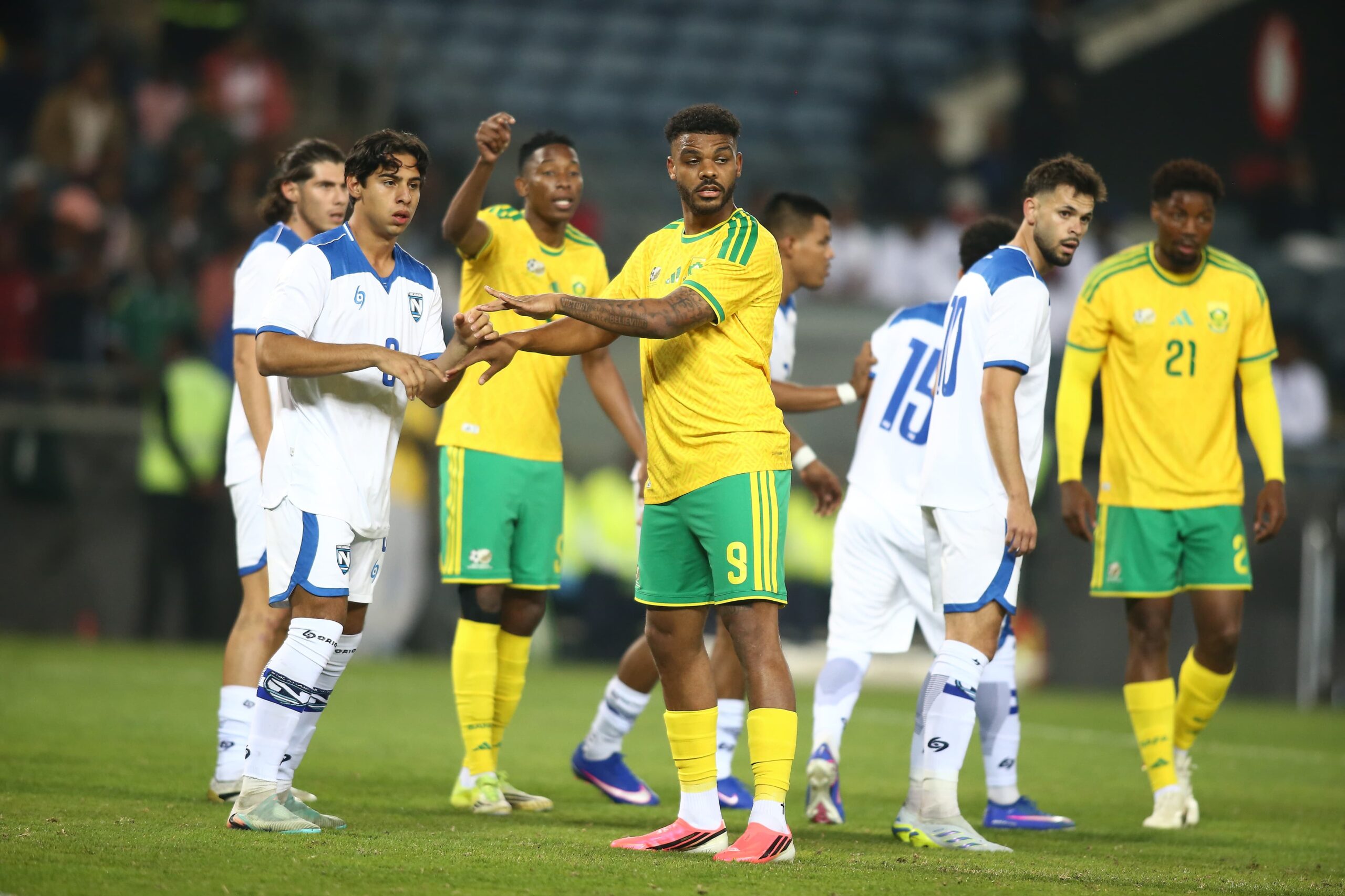
Bafana Bafana’s scheduled departure for the 2026 FIFA World Cup was thrown into disarray on Sunday, 31 May, after the South African Football Association failed to secure visas for a number of players and officials in time for the team’s planned charter flight from OR Tambo International Airport to Mexico City.
SAFA confirmed the delay in a media release on Sunday, stating that the squad “experienced challenges regarding visas for some players and officials” and as a result “could not travel to North America this morning as originally planned.” The association said it was working to get the team to Mexico City as soon as possible and that an emergency committee meeting would be held on Sunday evening.
Sports Minister Gayton McKenzie did not hold back. Posting on X, McKenzie described the situation as a debacle that was “embarrassing and grossly unfair towards the players and coaching staff,” and said he had informed SAFA that a full report was required and that “action must be taken against those responsible for this mess.” His four-word summary captured the mood: “We are being made to look like fools.”
Why it matters
South Africa’s return to the FIFA World Cup is a landmark occasion. Bafana Bafana last appeared at the global showpiece when they hosted the tournament in 2010. Their 16-year absence makes the 2026 edition a genuine national moment, one that drew thousands of fans to a formal send-off ceremony at DP World Wanderers Stadium in Johannesburg on Saturday evening.
The administrative failure has put that momentum at risk. According to the SABC, visas for at least 20 squad members and officials were still being processed at the United States Embassy in Johannesburg as of Sunday. Because the 2026 World Cup is co-hosted by the United States, Canada, and Mexico, players and officials travel on US visas that also cover entry to the other two host nations. Any delay in obtaining those documents directly affects the team’s ability to board their chartered flight and reach their training base in Pachuca, Mexico.
The failure also carries a broader reputational cost. South Africa was eliminated from its first match in qualifying due to its own administrative error, when a 2-0 win over Lesotho was overturned by FIFA after Mamelodi Sundowns midfielder Teboho Mokoena was found to have been ineligible for selection due to a yellow card accumulation. A comprehensive investigation followed. That the association has now walked into a second high-profile administrative failure, on the eve of the biggest football event in the country’s history, has sharpened the criticism from government.
Key details and figures
SAFA’s statement confirmed the squad’s original scheduled departure was Sunday morning and that the team would continue training in Johannesburg until clearance was obtained. The association did not name the number of affected players or officials, and did not provide a revised departure time. The statement acknowledged an emergency committee meeting would take place on Sunday night to address the matter.
TimesLIVE, citing sources close to the situation, reported that the delay was caused by an administrative bungle in SAFA’s visa application process, with a number of players and technical staff having not received their documents by the weekend. The publication reported that SAFA officials were attempting to engage with the US Embassy in Johannesburg on Sunday, despite it not being a working day, and said there remained an outside chance the charter flight could still leave on Sunday night. The Sowetan reported that players spoken to on an anonymous basis confirmed that SAFA had not informed them of a revised departure time.
South Africa’s World Cup group stage schedule adds urgency to the situation. Bafana open the entire 2026 tournament against co-host Mexico at the Estadio Azteca in Mexico City on 11 June. They then face the Czech Republic and South Korea in their remaining Group A matches. Head coach Hugo Broos had specifically requested a charter flight to avoid the physical toll of commercial connections and had earmarked Pachuca as the training base due to its altitude of approximately 2,300 metres above sea level. Broos had previously stated the squad would require at least ten days to fully acclimatise at that elevation before competitive play. Any delay in departure directly erodes that preparation window.
Before the World Cup opener, Bafana are also scheduled to play a warm-up friendly against Jamaica on 5 June. That match, now also potentially affected by the delayed departure, represents the squad’s final preparation game before the tournament begins.
The Mokoena context is relevant. That incident, in which South Africa was docked three points and two goals by FIFA for fielding a suspended player in a qualifying match, was followed by a formal SAFA investigation. McKenzie subsequently confirmed that the investigation had been completed and that the incident was found to have resulted from an unusual set of coincidences rather than negligence or sabotage. The visa delay is being viewed by government as evidence that administrative standards within SAFA remain insufficient for the demands of the moment.
What happens next
SAFA indicated its emergency committee meeting on Sunday evening would determine next steps and a revised departure timeline. The association has not yet confirmed when the charter flight will leave. The most optimistic scenario, according to TimesLIVE, involves the outstanding visas being collected on Monday morning, with the team departing later that day.
McKenzie has demanded a formal written report from SAFA and has indicated that disciplinary action will follow for those responsible. He has not yet specified what form that action will take, when the report is due, or who within SAFA will be held accountable.
SAFA as an institution is already navigating significant internal pressure. President Danny Jordaan has faced separate scrutiny, and SAFA elections are scheduled for 2026. The visa debacle arrives at a moment when the association’s administrative credibility is already under scrutiny from both government and the public.
For the players and coaching staff, the principal concern is preparation time. Every hour spent grounded in Johannesburg is an hour not spent acclimatising in Pachuca. Broos and his squad were already operating within a tight pre-tournament schedule. South Africa’s opening World Cup match on 11 June has not moved. SAFA must resolve the situation within hours, not days, if the damage to the team’s physical preparation is to be limited.