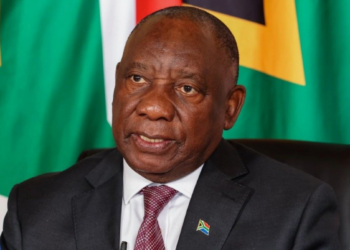




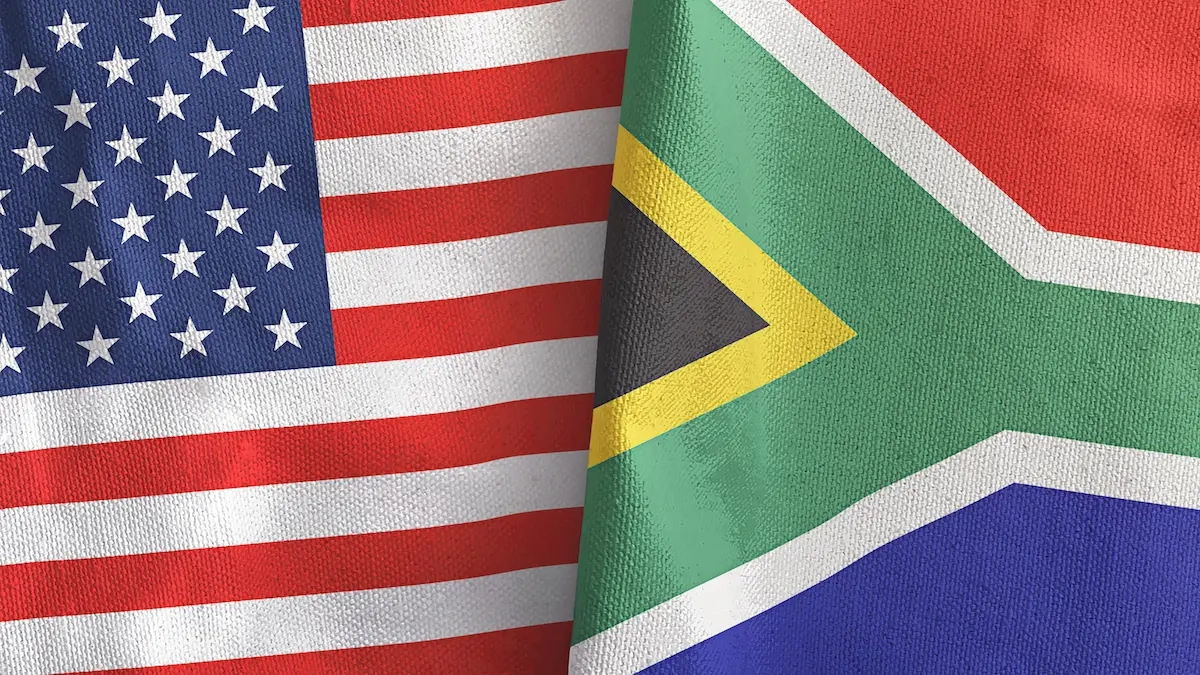
South Africa and the United States are taking a formal diplomatic step that could help steady relations, with President Cyril Ramaphosa due to receive Letters of Credence from US ambassador-designate Leo Brent Bozell III on Wednesday, 8 April 2026, at Sefako Makgatho Presidential Guest House in Pretoria. The Presidency said the United States is one of 20 countries whose heads of mission-designate are scheduled to take part in the ceremony.
The development matters because a credentials ceremony is not a routine photo opportunity. Letters of Credence are the official documents through which a head of state accepts a foreign envoy nominated by another government. In Bozell’s case, the formal step comes after a period of visible tension between Pretoria and Washington, making the event more significant than a normal diary item on the diplomatic calendar.
The stronger and more accurate framing is not that South Africa and the US have already repaired their relationship. The verified position is narrower. The two countries are taking a concrete procedural step that supports normal diplomatic engagement, while the broader political relationship remains fragile.
What we know so far
The immediate trigger for the story is the Presidency’s 6 April statement confirming that Ramaphosa will receive Letters of Credence from 20 heads of mission-designate on 8 April, including the envoy of the United States. The government advisory published on 7 April repeated the same details and said the ceremony would be held in Pretoria from 10:00.
This is not Bozell’s first formal diplomatic step in South Africa. Earlier reporting on his arrival showed that he had already submitted copies of his letters of credence to the Department of International Relations and Cooperation, allowing him to begin his duties while awaiting the presidential ceremony. Wednesday’s event is therefore the formal head-of-state stage that completes the accreditation process in public diplomatic terms.
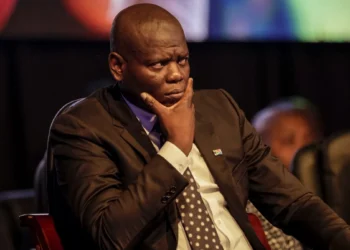
The wider relationship has been under strain. In March, DIRCO publicly challenged remarks by the US ambassador that it viewed as undiplomatic and inconsistent with diplomatic protocol. Minister Ronald Lamola said South Africa welcomes stronger bilateral ties, but stressed that such engagement must remain consistent with diplomatic etiquette and international rules. DIRCO also said the United States remains a vital strategic partner for South Africa.
That tension did not end there. South African parliamentary committee leaders publicly backed DIRCO’s decision to issue a démarche to the ambassador after his remarks on the judiciary and domestic policy. At the same time, South African officials made clear that the dispute should not erase the underlying strategic importance of the bilateral relationship.
Why it matters
The credentials ceremony matters because it restores procedural normality at a moment when the political tone has been anything but normal. In diplomatic practice, countries can disagree sharply on policy while still maintaining working channels through accredited ambassadors. This step helps secure that channel. It does not resolve disputes by itself, but it does reduce ambiguity about the envoy’s standing in Pretoria.
There is also a broader policy backdrop. In April 2025, Ramaphosa appointed Mcebisi Jonas as his Special Envoy to the United States and said he remained committed to rebuilding and maintaining the bilateral relationship on the basis of mutual respect, sovereignty and benefit for both peoples. That earlier presidential statement is important because it shows that Pretoria’s effort to stabilise ties did not begin with this week’s ceremony.
March 2026 added another layer. After the diplomatic row over Bozell’s remarks, SAnews reported that the ambassador apologised and expressed regret following a meeting with South African officials, and that he reaffirmed a willingness to work constructively with government. That does not amount to a reset on its own, but it is one of the clearer official signals that both sides were trying to stop the friction from worsening.
For South African readers, the significance is practical as well as symbolic. The United States remains an important strategic and economic partner. When diplomatic relations deteriorate, the fallout can extend beyond politics into trade, investment, public messaging and the broader climate for cooperation. A formal move to stabilise official engagement therefore has value even when the underlying disagreements remain unresolved.
Key details and figures
The key details are straightforward. Ramaphosa is due to receive heads of mission-designate from 20 countries on 8 April 2026 in Pretoria, and the United States is on that official list. The Presidency’s statement and the government advisory both identify the ceremony as the formal presentation of Letters of Credence by ambassadors nominated by their respective governments to serve in South Africa.
Another important detail is that the relationship remains politically delicate. DIRCO’s March briefing said South Africa had called in the ambassador to explain his remarks, but also said the envoy had acknowledged South Africa’s history and indicated that he was willing to work constructively. That combination of diplomatic protest and continued engagement is central to understanding why the credentials ceremony can reasonably be described as a step toward steadier relations, but not yet as proof of a full repair.
There is also a longer strategic thread in the record. Ramaphosa’s 2025 announcement on appointing a special envoy to Washington explicitly described South Africa and the United States as having a historical and strategic relationship, and said Pretoria was committed to rebuilding and maintaining that relationship for decades. This week’s credentials ceremony fits into that broader official effort.
What happens next
The immediate next step is the ceremony itself. If it proceeds as scheduled, Bozell will formally present his credentials to Ramaphosa in Pretoria on 8 April alongside other ambassadors-designate. That will complete the remaining public accreditation step after his earlier arrival and interim diplomatic formalities.
What follows will matter more than the ceremony. The official record shows that South Africa wants a functioning relationship with the United States and that the ambassador has apologised for remarks that caused offense. But it also shows that Pretoria has defended its institutions forcefully and will continue to do so where necessary. That means the relationship may become more orderly without necessarily becoming easy.
For now, the most accurate conclusion is narrow and factual. South Africa and the United States are taking a concrete diplomatic step by moving ahead with the formal credentials process for the US ambassador. That is a real and current development, and it points toward more stable engagement even if the deeper tensions between the two governments have not disappeared.