








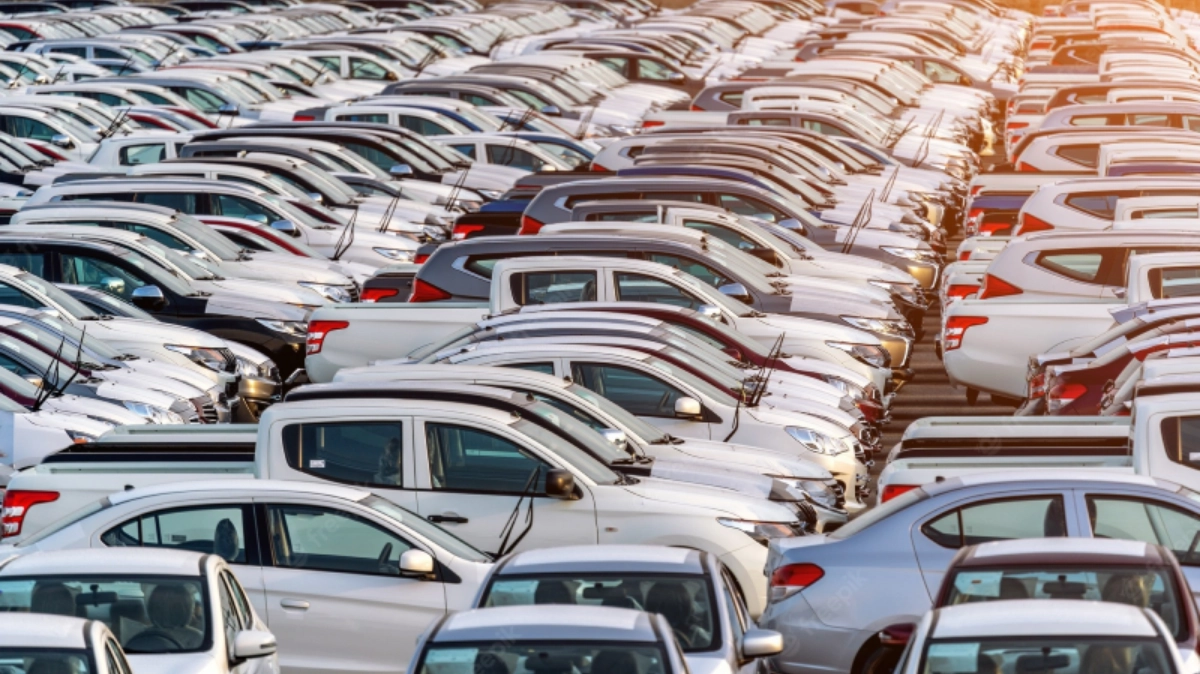
Best month for new car sales since September 2014
South Africans bought new cars in July at a pace last seen twelve years ago. New passenger car sales reached 40,912 units, the best month since September 2014 and a 12.5 percent increase on the 36,354 units sold in July 2025, according to figures released by automotive business council Naamsa. timeslive
Total new vehicle sales across all segments came in at 57,708 units, up 11.9 percent on the same month last year. The figures were released on 3 August as the industry closed the books on July. timeslive
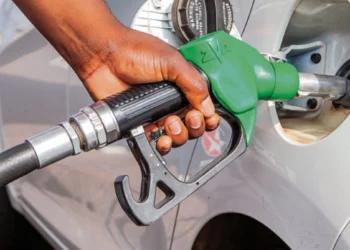
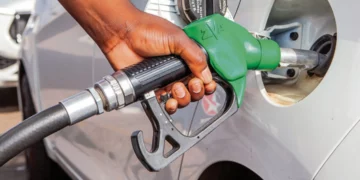
Naamsa said the market entered the second half of 2026 on a resilient footing, supported by substantial fuel price reductions in July that provided much-needed relief to motorists and businesses. Rental industry buying also played a meaningful role, making up 13.8 percent of new passenger vehicle sales. timeslivetimeslive
Interim Naamsa chief executive Shinny Gobiyeza said the results reflect an industry adapting successfully to changing market conditions and evolving consumer preferences, saying the growth “demonstrates the resilience of South Africa’s automotive industry.” timeslive
What the buying boom says about your wallet and the economy
Strong vehicle sales are one of the clearest real-time signals of household and business confidence, because a car is the biggest purchase most consumers finance after a home.
The July surge extends a striking run. June was already the best overall sales month since 2007 at 54,482 units, up 15.3 percent year on year, and July’s petrol price cut of around R2 a litre gave buyers further breathing room on running costs. Business Day
The commercial segments point the same way. Light commercial vehicles, the bakkies and minibuses that carry small business activity, rose 10.6 percent to 13,710 units, medium commercial vehicles climbed 19.4 percent to 843 units, and heavy trucks and buses gained 7 percent to 2,243 units. timeslive
The one warning light is offshore. Export volumes fell 11.6 percent year on year to 32,801 units, a reminder that global conditions remain hostile even while local showrooms fill up. timeslive
The brands South Africans bought in July, and how new car sales split
Toyota retained its lead as the country’s favourite brand, selling more than double its closest competitor. The top sellers were: timeslive
| Brand | July 2026 sales |
|---|---|
| Toyota | 14,412 |
| Suzuki | 5,994 |
| Volkswagen Group | 5,799 |
| Hyundai | 3,058 |
| Ford | 2,927 |
| Chery | 2,709 |
| GWM | 2,504 |
| Isuzu | 2,435 |
| Jetour | 2,034 |
| Kia | 1,920 |
The table also confirms the Chinese advance. Adding the listed Chinese-owned brands together, Chery, GWM, Jetour, Omoda and Jaecoo, and BYD sold a combined 9,609 units in July, a straightforward sum of the published brand figures that would rank the group second only to Toyota if counted as one stable.
Electrified vehicles are the other structural shift. In June, the most recent month with a breakdown available, 3,045 new energy vehicles were sold, up 104.2 percent on the 1,491 units a year earlier, meaning roughly one in every 17 new vehicles sold is now electrified. Traditional hybrids led with 48.9 percent of those sales, followed by plug-in hybrids at 32.5 percent and battery electric vehicles at 13.8 percent, with 13,193 new energy vehicles sold in the first half of the year. timeslivetimeslive
What could keep the streak alive into spring
Gobiyeza cautioned that export markets remain under pressure from global economic conditions, while pointing to the domestic market as an important foundation for industry growth and to accelerating electrified vehicle uptake across multiple technologies. timeslive
Some elements are not yet settled. The July breakdown of new energy vehicle sales has not been published, it is not yet clear whether the diesel price increase of R1.38 a litre from 5 August will cool commercial demand, and Naamsa has not indicated whether the export decline will persist into the third quarter.
The next fixed markers are Naamsa’s July flash report with detailed segment splits after the tenth working day of August, the September fuel price adjustment at the start of that month, and the August sales figures due in the first days of September.