









Home Affairs launches a live smart ID branch finder
South Africans hunting for a smart ID no longer need to guess which bank branches can help them. Home Affairs has launched a new online platform that shows people their nearest participating bank branch for smart ID applications, introduced by Home Affairs Minister Leon Schreiber on 3 August 2026 at the department’s Digital Partnership media event with FNB at Canal Walk in Cape Town.
The tool sits on the My Home Affairs Online website, where users navigate to the Locate a Partner Branch option. Schreiber said additional branches will be added to the site in real time as they join the department’s Digital Partnership programme.
The launch lands on real momentum. South Africans can now access smart ID services through 372 participating bank branches across the country, and more than 500,000 people have applied for smart ID cards through banks since the Digital Partnership launched on 9 March 2026.
“Every reform we implement should make our services easier to access,” Schreiber said, describing the tool as part of the department’s commitment to improving access to its services.
What the branch locator means for your next Home Affairs trip
The practical gain is simple: instead of queueing at one of the country’s Home Affairs offices, applicants can check the locator and walk into a nearby bank branch that is already connected to the department’s digital systems.
The scale of that shift is measurable. When the partnership passed 110 live bank branches in April, the department noted that this already amounted to a 44 percent expansion on the 248 Home Affairs offices offering smart ID services, achieved in just three weeks. The network has more than tripled since then.
Cost also matters for households. During the initial phase of the bank rollout, customers pay only the standard Home Affairs application fee of R140, with no additional bank fees.
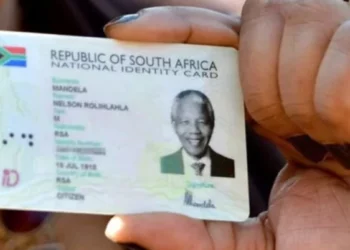
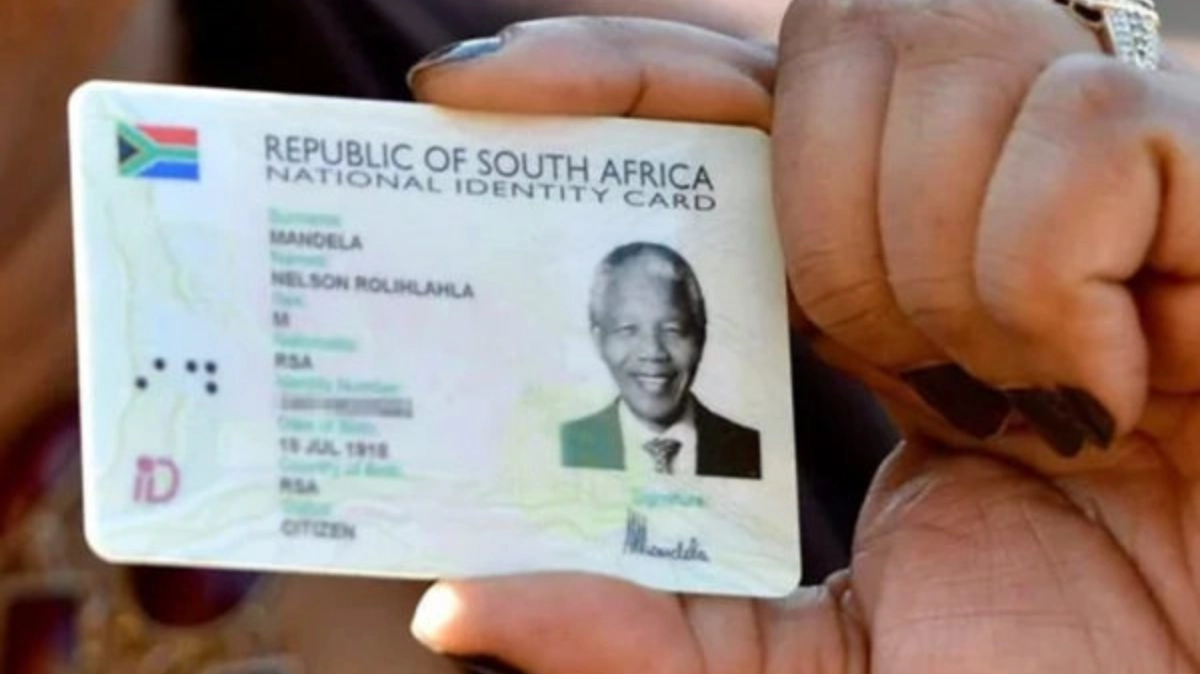
Schreiber encouraged every South African still using the green barcoded ID book to switch to the smart ID card, which the department describes as far more secure than the fraud-prone older document.
The smart ID rollout in numbers
The key figures behind the announcement:
| Measure | Figure |
|---|---|
| Participating bank branches now | 372 |
| Smart ID applications via banks since 9 March 2026 | More than 500,000 |
| FNB branches live under the new model | 51 |
| FNB target by December 2026 | 240 branches |
| Smart IDs issued by FNB under the digital model | More than 14,000 |
| Standard application fee at banks | R140 |
| Bank branch target by 2029 | 1,000 |
FNB said at the launch that its rollout under the Digital Partnership is live in 51 branches so far, with plans to expand to 240 FNB branches nationwide by December 2026, and that it has issued more than 14,000 smart ID cards under the new digital model since launching earlier this year.
FNB chief executive Lytania Johnson said at the bank’s April launch of the service: “This expansion means more people can access Home Affairs services closer to home.”
The bank programme is aligned with the Medium-Term Development Plan target of expanding Home Affairs services to 1,000 bank branches by 2029, a leap from the roughly 30 branches that offered the service under the older eHomeAffairs model.
What comes next for digital Home Affairs services
The branch locator is a stepping stone to a larger reform. Schreiber told Parliament in February that Digital ID is the department’s showpiece reform for 2026, with core biometric technology already live and the focus now on building the user-facing interface that will let South Africans hold their documents on their phones and verify their identities remotely through facial recognition.
Some elements remain unconfirmed. The department has not published a branch-by-branch expansion schedule, no date has been announced for the public launch of the Digital ID interface, and it is not yet clear how quickly the remaining banks will grow their footprints toward the 1,000-branch target.
The next fixed markers are the real-time addition of new branches to the locator, FNB’s expansion to 240 branches by December 2026, and the department’s progress updates on the Digital ID rollout during the current financial year.