






Where the rollout stands
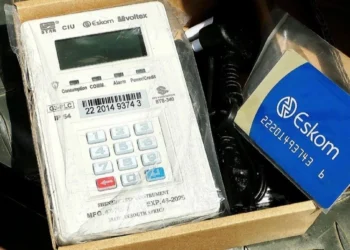
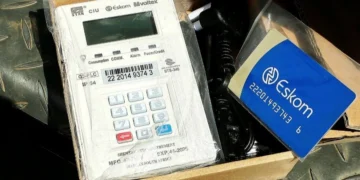
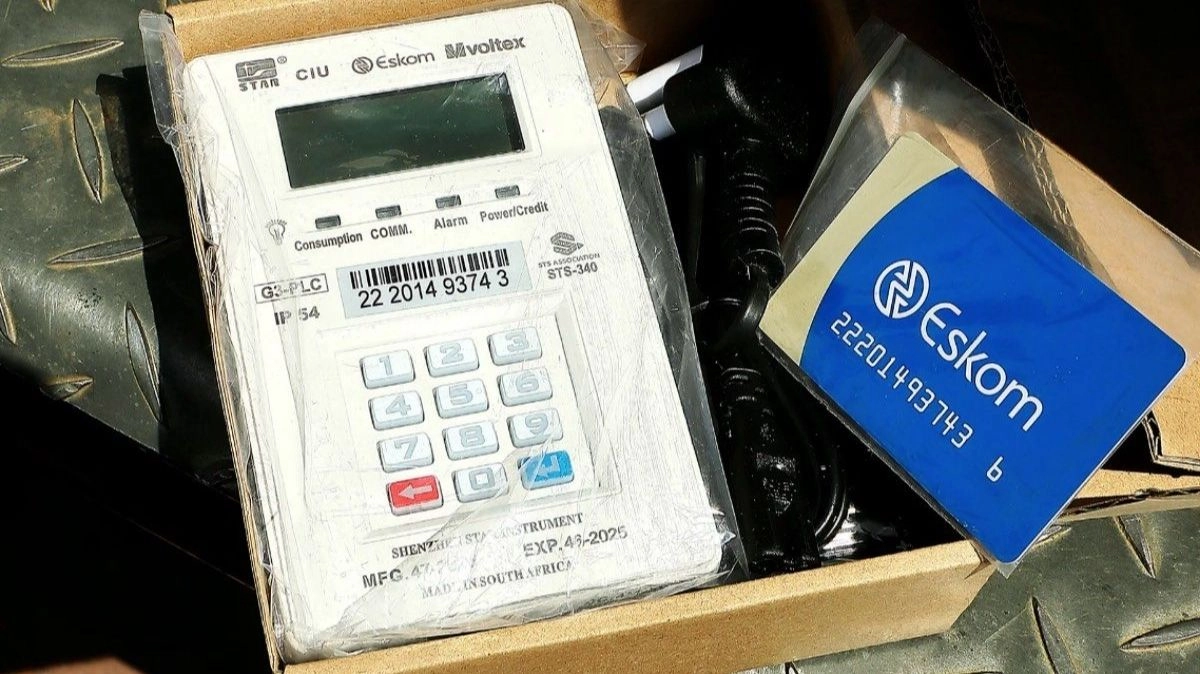
Eskom smart meter installations are the only route off the load reduction schedule, and Gauteng is the slowest province in the country to accept them. Eskom told Business Times that as of 11 September 2026 it had installed 513 022 prepaid smart meters on load reduction feeders, against a target of 577 347 in those high priority areas.
Nationally that work has taken 1 222 430 customers off the load reduction schedule, or 72% of the programme target of 1 694 388. In Gauteng, 268 902 customers have been cleared out of a target of 632 158. That leaves 363 256 Gauteng customers still on the schedule, more than three quarters of everyone still affected in the country.
Eskom groups its reporting by pairs of provinces. These are the customer and feeder numbers it supplied in September 2026.
| Area | Customers removed | Feeders removed |
|---|---|---|
| Limpopo and Mpumalanga | 670 785 | 163 |
| Gauteng | 268 902 | 244 |
| KwaZulu-Natal and Free State | 202 703 | 135 (KwaZulu-Natal) |
| North West and Northern Cape | 50 228 | 15 |
| Eastern and Western Cape | 29 812 | 14 |
| National total | 1 222 430 | 571 |
A feeder is the local line running off a substation into a neighbourhood. Once every meter on a feeder is a working smart meter, the feeder comes off the schedule and the whole street stops being switched off in the peak windows.
Of a national target of 971 feeders, 571 have been removed, about 59%. Gauteng accounts for 604 of those 971 feeders and has cleared 244 of them, 40%. Limpopo, Mpumalanga, the Free State, the Eastern Cape, the Western Cape, the North West and the Northern Cape have all finished. Only Gauteng and KwaZulu-Natal are left.
Why Gauteng is behind
Eskom board chair Mteto Nyati told Business Times the utility is meeting far more resistance in Gauteng and KwaZulu-Natal than anywhere else, and said Eskom has not established why.
Electricity and energy minister Kgosientsho Ramokgopa gave more detail in a written reply to a parliamentary question from DA MP Kevin Mileham. He said resistance has included safety incidents, intimidation and work stoppages, and that more than 122 000 planned installations have been delayed as a result. Eskom’s position is that every delayed installation keeps a neighbourhood on the schedule for longer and leaves transformers exposed to the overloading that illegal connections and meter bypasses cause.
This is the mechanism behind the outages described in why Gauteng loses power when there is no load shedding. Load reduction is not load shedding. It is local, it runs from 05:00 to 09:00 and from 17:00 to 22:00, and it is applied only where a network is at risk of failing.
Two official numbers do not match
Eskom put the installed total at 513 022 meters as of 11 September 2026. Ramokgopa’s parliamentary reply put it at 505 607, or 87.5% of the same 577 347 target. The gap is 7 415 meters. Neither figure has been corrected, and the reply was tabled earlier than the Eskom statement, so the difference is most likely a cut-off date rather than an error.
Eskom’s own load reduction page carries a separate inconsistency. It still says five provinces are free of load reduction while naming Gauteng and KwaZulu-Natal as the only two remaining, which does not add up to nine. The chair’s count of seven cleared provinces is the one the detailed feeder data supports.
You cannot refuse the swap
Eskom’s smart meter page is direct about this. Customers do not get to choose the technology used to supply their homes, all old meters will eventually be removed, and the programme runs to 2029. In total Eskom intends to replace 6.2 million meters, and it planned 800 000 of them in the 2025/26 year alone.
Two practical points households ask about:
- Units left on the old meter are transferred to the new one. You do not lose credit you have already bought.
- Installers do not usually need to come inside. They only enter when the existing meter or the customer interface unit is inside the house, and then only to test the meter and hand over the new unit.
Eskom is also clear that a smart meter does not guarantee your area comes off load reduction. It removes one cause of overloading. The feeder still has to clear.
How to check an installer is real
Meter fraud follows any rollout of this size. Eskom’s published guidance is to let nobody in without checking:
- Confirm there has been a public rollout notice for your area before anyone arrives.
- Confirm your area is currently in the installation window, not scheduled for later.
- Ask for identification and satisfy yourself it is authentic before opening the door.
Anyone who asks for a payment at the door for the replacement should be treated as suspect. Report illegal connections and suspected meter tampering on the Eskom crime line, 0800 11 27 22.
What this does to your bill
A smart meter does not change the tariff. What changes is that consumption is measured accurately and read remotely, which ends estimated billing. Households that were under-billed on an estimate will see the real figure. That is separate from the tariff increases already in the pipeline, covered in Eskom’s proposed 8.8% hike.
Where to check
Eskom publishes the current load reduction schedules at eskom.co.za/distribution/load-reduction, as a spreadsheet for Gauteng and a PDF for KwaZulu-Natal, replaced each month. The programme itself is set out at eskom.co.za/distribution/smart-meters. Eskom’s customer care number is 08600 37 566. The smart meter page separately lists 08600 37655 for queries about whether an installed meter is fully enabled.