








Council withdraws the plan after two days of protest
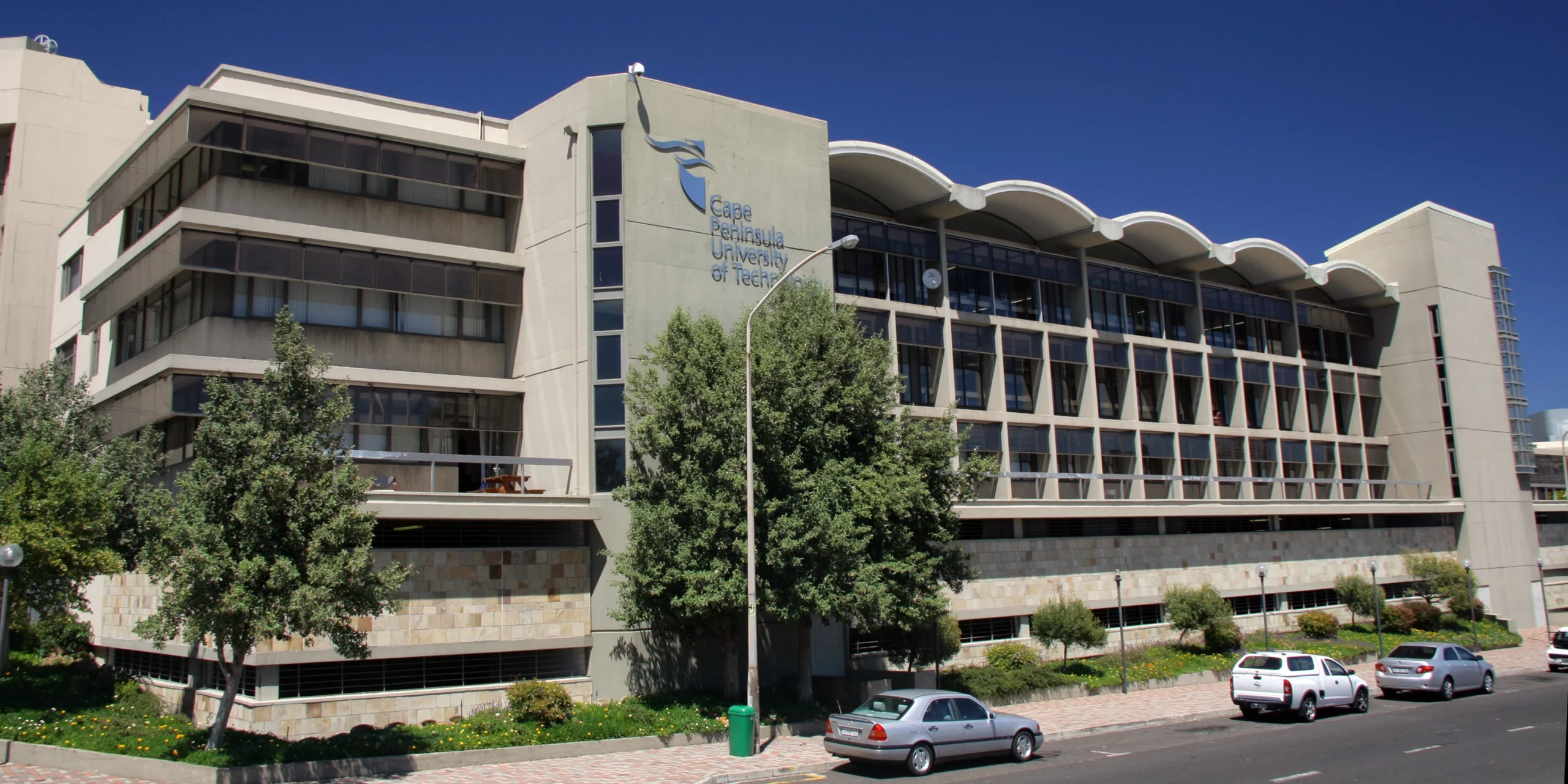
The proposed CPUT registration fee of up to R7 000 has been pulled. The Cape Peninsula University of Technology’s council resolved at a special sitting on Wednesday evening to withdraw its draft 2027 financial recovery plan for further consultation, after two days of student protests shut down teaching across its campuses.
“In a Special Sitting of our Council yesterday evening, a decision was taken to withdraw the Draft Financial Recovery Plan (FRP) for 2027, so that further consultation can happen,” CPUT media liaison officer Lauren Kansley said.
The plan was the university’s mechanism for clawing back part of its student debt, which stood at R4.2 billion in May 2026, the highest of any South African university.
Kansley said council is the highest decision-making body of the institution and that the discussion around a minimum initial payment was taken at the behest of council so that more robust financial planning could happen. She said the university expects all protest action to stop immediately.
The protests were not peaceful throughout. Kansley said they caused damage to property and violence, including a female security staff member being struck in the face with a brick. A tyre was set alight at the entrance gates to the District Six campus on Tuesday, and shuttle services and physical classes were suspended.
What the withdrawn CPUT registration fee would have cost students
The draft plan attached a hard rand figure to the start of the academic year. It proposed a minimum initial payment of R3 500 for new students to register in an academic programme, plus a further R3 500 for students staying in residences, taking the combined maximum to R7 000 before a student could begin.
Kansley said the requirement would have applied only to self-funded students and not to students funded by the National Student Financial Aid Scheme, and would have affected mostly new students and those studying towards postgraduate qualifications. The payments would have been credited towards students’ fees for the year.
The plan would also have scrapped the current acknowledgement of debt system, under which students register by signing a repayment pledge. Many students signed agreements to pay their debts in small amounts but have not been honouring the arrangement.
Students said the burden falls hardest on those in university residences. Protesters pointed to residence costs that exceed the NSFAS accommodation cap of R52 000 a year, leaving students to cover the difference themselves.
On Wednesday, hundreds of students marched to the Bellville campus to hand a memorandum of demands to Vice-Chancellor Professor Chris Nhlapo. The march was led by the central Student Representative Council and joined by student organisations including the Pan Africanist Student Movement of Azania, the Economic Freedom Fighters Students’ Command and the uMkhonto weSizwe Student Movement.
Kansley said the vice-chancellor received the memorandum but expressed concern over how the handover unfolded, adding that management had been willing to engage with student representatives but that the situation became unsafe during the attempted handover.
The numbers behind the R4.2 billion debt
The figures at CPUT and across the sector:
| Measure | Figure |
|---|---|
| CPUT student debt, May 2026 | R4.2 billion |
| CPUT transcripts withheld | About 16,200 |
| Proposed registration payment, new students | R3 500 |
| Proposed additional residence payment | R3 500 |
| Combined maximum upfront | R7 000 |
| NSFAS accommodation cap | R52 000 a year |
| Total post-school student debt, May 2026 | R59 billion |
| NSFAS-funded share of national debt | R29 billion |
| Self-funded share of national debt | R26 billion |
| Irrecoverable debt nationally | R12 billion |
| Certificates withheld nationally, DHET figure | 165,000 |
| Certificates withheld nationally, USAF figure | 188,209 |
The national picture was set out to Parliament’s Portfolio Committee on Higher Education in May 2026 by the Department of Higher Education and Training, Universities South Africa and the South African Public Colleges Organisation. The department said universities of technology show the highest debt ratios, while traditional universities carry substantial absolute debt balances.
Committee chairperson Tebogo Letsie said the statistics show that student debt is continuing to rise, which suggests the measures in place are not working as intended. He warned that when a student leaves an institution without a certificate, their chances of finding work and repaying the debt shrink further because they cannot prove their qualification.
The committee identified rising accommodation costs, reconciliation problems between NSFAS and institutions, and delayed NSFAS payments as leading drivers of the debt.
What remains unresolved at CPUT
The withdrawal is a pause, not a cancellation. Council removed the draft plan so that further consultation can take place, and the university has not published a revised proposal, a consultation timetable or a date by which a new plan must be adopted before the 2027 registration period.
The students’ second demand is also outstanding. The memorandum called for the release of academic transcripts and graduation certificates withheld from students in arrears, and no announcement has been made on that. It has not been confirmed whether any arrests or disciplinary proceedings have followed the damage to property and the assault reported by the university, and the cost of the damage has not been quantified.
The next fixed markers are the consultation process council has ordered, the university’s publication of a revised financial recovery plan, and the opening of registration for the 2027 academic year.