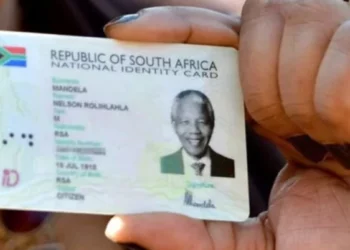
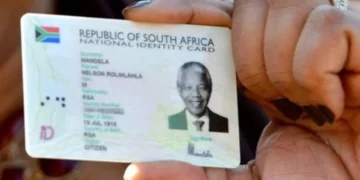









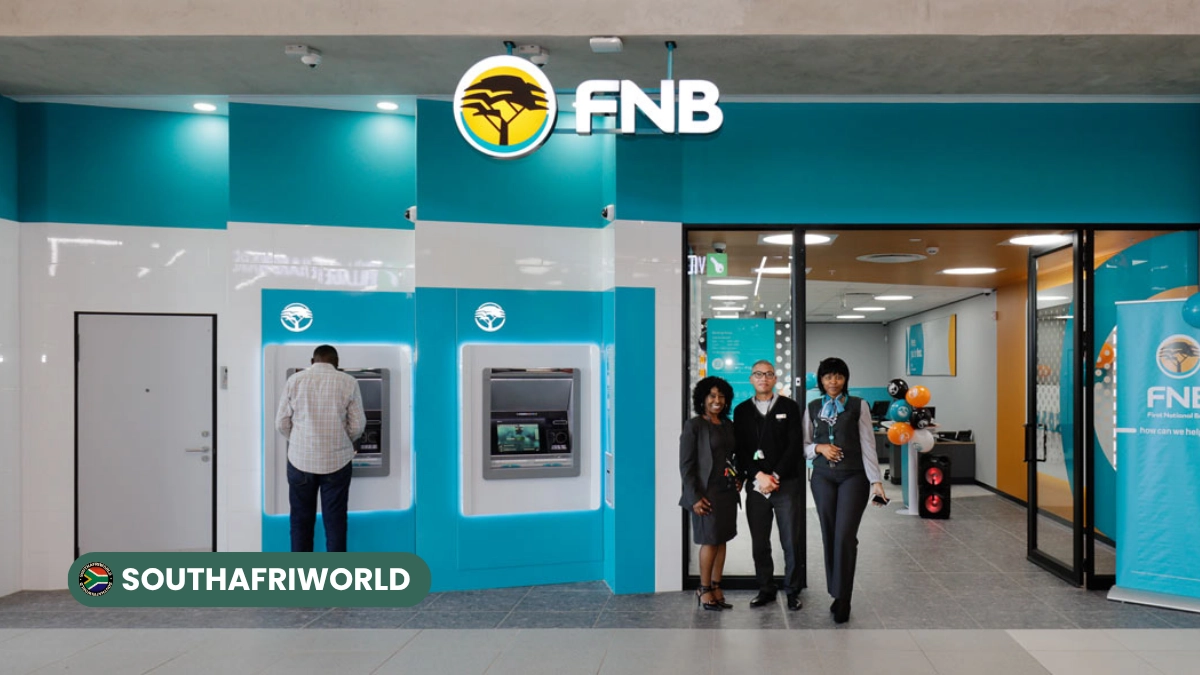
FNB has become the latest major bank to expand Department of Home Affairs Smart ID services in South Africa, opening four new branches under the department’s digital partnership model. The move forms part of a wider national push to bring identity document services into more bank branches and reduce pressure on traditional Home Affairs offices.
For FNB customers, the immediate change is practical. Eligible applicants can now use selected branches for certain Smart ID services without an appointment, while paying the standard Department of Home Affairs application fee of R140 during the initial phase. The broader significance is that the rollout adds banking infrastructure to a service that has long been associated with queues, repeated visits and limited access points.
The development also signals what comes next. Home Affairs has already said the bank-branch rollout has passed its initial March 2026 target, and further expansion is planned in the weeks ahead. FNB says more branches will be enabled by the end of April, with a much larger expansion planned over the next year.
What we know so far
The Department of Home Affairs said on 1 April 2026 that it had exceeded its own internal target of rolling out the new digital partnership model to 100 bank branches by the end of March, with 110 bank branches already live nationwide. In the same announcement, the department confirmed that FNB had officially become the third bank to join this phase of the rollout.
BusinessTech and MyBroadband reported that FNB’s first four new branches under this expanded model are Woodmead, Lakeside Mall, Krugersdorp and Pretoria CBD, all in Gauteng. Those reports also said FNB intends to expand the service to 16 branches by the end of April 2026 and to more than 240 branches over the following year.
This expansion is separate from the older pilot model that required Home Affairs officials to be physically seconded to selected bank branches. Under the newer model, banks are being given greater direct integration with Home Affairs systems, which should make scaling easier and reduce the operational limits that kept the service concentrated in a small number of branches for years.
Why it matters
The immediate benefit for customers is easier access to a service that is often time-consuming through conventional channels. Home Affairs said more than 25,000 Smart ID applications have already been processed through participating bank branches, with the system handling applications at a rate of more than one per minute. The department also said some replacement applications can be completed in as little as five minutes at participating branches.
That matters in a country where access to civic services is uneven and where many people still lose hours to travel and queues. By expanding the number of service points, the state can make document access less dependent on a person’s proximity to a major Home Affairs office. That has implications for job seekers, students, grant applicants, bank customers and others who regularly need valid identity documents to complete basic transactions and administrative processes.
There is also a fraud and systems angle. Home Affairs has repeatedly argued that replacing the old green ID book remains a national priority because the green bar-coded book is more vulnerable than the Smart ID card. In its strategic and planning documents, the department has linked the Smart ID rollout to stronger identity verification, improved service delivery and broader digital state capacity.
Key details and figures
Current rollout position
- Home Affairs says 110 bank branches are now live under the expanded rollout model.
- FNB is the third bank confirmed in this new phase of expansion.
- More than 25,000 Smart ID applications have already been processed through participating bank branches.
FNB-specific details
- Four FNB branches are reported to be live immediately: Woodmead, Lakeside Mall, Krugersdorp and Pretoria CBD.
- FNB plans to reach 16 enabled branches by the end of April 2026.
- The bank plans to scale the service to more than 240 branches over the next year.
- During the initial phase, customers are reported to pay only the DHA application fee of R140, with no additional bank fee.
Policy and capacity context
Home Affairs’ 2025/26 Annual Performance Plan set a target of equipping 100 bank branches with live capture functionality for Smart ID cards and passports under the new model. The department’s 2025 to 2030 strategic plan also frames bank-branch expansion as part of a wider ambition to move Smart ID and passport access to more than 1,000 locations by 2029.
That shows the FNB development is not an isolated banking convenience announcement. It is part of a broader public-sector reform programme aimed at moving Home Affairs services closer to where people already live, shop and bank.
Timeline
For years, Smart ID and passport services at banks were limited to a relatively small pilot network that relied on Home Affairs staff being placed at branches. BusinessTech reported in March 2026 that FNB had already issued more than 570,000 Smart IDs and passports through seven designated pilot branches since that earlier model began.
The latest phase accelerated in March 2026, when more banks began switching on branches under the new digital partnership framework. By 1 April 2026, Home Affairs said the programme had moved beyond its initial 100-branch target, while more banks, including Absa and Nedbank, remained in testing phases.
What officials and experts are saying
Home Affairs Minister Leon Schreiber said the pace of the rollout reflects a broader digital reform effort in the department. He said upcoming phases are expected to include first-time Smart ID applications, passport applications, secure courier delivery of IDs and passports, and applications submitted through digital banking apps.
According to reporting cited from FNB’s side, the bank sees the expansion as a way to make public services easier to access through everyday banking infrastructure. That fits the wider competitive trend in banking, where large institutions are increasingly positioning branches and apps as multi-service platforms rather than purely transactional channels.
What happens next
The next step is further rollout. FNB’s near-term target is 16 enabled branches by the end of April 2026, while Home Affairs has made clear that further bank expansion is expected in coming weeks. Absa and Nedbank are still being tested under the new model, suggesting the number of participating branches could rise again soon if those systems go live.
For customers, the practical issue will be branch availability and service scope. Not every identity-related transaction is yet available everywhere, and the department has indicated that existing Home Affairs branches and mobile offices remain open alongside the bank model. In other words, the bank rollout is growing quickly, but it has not fully replaced the traditional system.
What this announcement does confirm is that FNB customers are gaining access to a service with real day-to-day value. In a country where official admin often carries a time cost, the expansion of Smart ID services into more bank branches counts as meaningful good news, especially if the larger national rollout stays on schedule.