








What we know so far
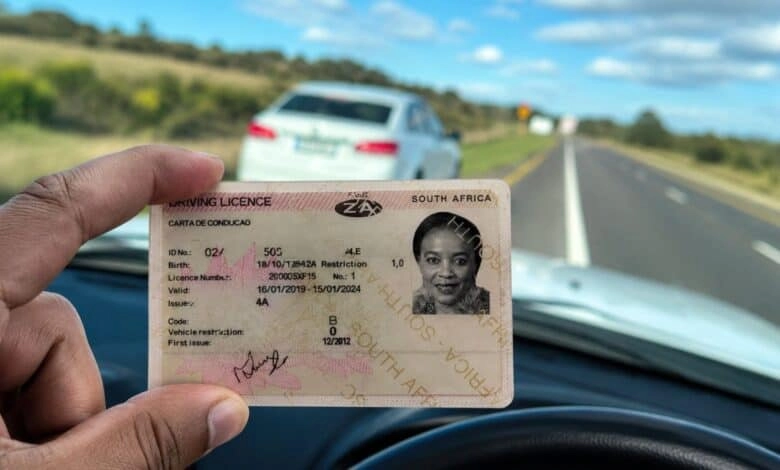
The 10-year driving licence South Africa has debated for years was approved by Cabinet on Wednesday, 29 July 2026, doubling the current five-year validity for most motorists.
Minister in the Presidency Khumbudzo Ntshavheni confirmed the decision at a post-Cabinet media briefing in Pretoria on Thursday, 30 July.
The extension applies to licence codes A, A1, B and EB, which cover motorcycles and light motor vehicles. Ntshavheni said Cabinet approved extending their validity from five years to 10 years.
One point needs stating up front, because it is the part most likely to be misunderstood. The change is not yet in effect.
The department has confirmed the extension still requires legislative amendments, and that until those are processed and gazetted, motorists must continue to renew on the current five-year cycle.
Anyone with a card expiring now must still renew it. Driving on an expired licence remains an offence until the new system is formally implemented.
The extension does not apply to everyone. Heavy, commercial and public transport vehicles stay on their current two-year and five-year renewal cycles, and professional driving permits remain on the two-year cycle.
Ntshavheni said the change aligns with international best practice, enhances administrative efficiency, reduces the frequency of renewal for motorists, and eases demand pressure within the licensing system.
What the 10-year driving licence means for you
For most private motorists, the practical effect is one renewal a decade instead of two, once the change takes force.
That means fewer trips to a driving licence testing centre, fewer eye tests, and fewer of the queues and delays that have come to define the renewal process.
It also means less money spent over time. Renewing less often reduces the cumulative cost of the renewal fee and the associated time taken off work.
The timing matters because the licensing system has been under visible strain. Testing centres have faced backlogs, and the card production system has struggled, including a period without a working licence card printing machine after a court set aside the previous tender.
Halving the number of renewals is intended to relieve exactly that pressure by cutting the volume of people passing through the system each year.
There is a genuine catch for motorists to hold in mind. Because the rule is not yet law, anyone who treats their current card as valid for 10 years now would be driving illegally once it passes its printed expiry date.
The safe course until the amendments are gazetted is to keep renewing as normal and watch for the department’s confirmation that the new period is in force.
Key details and figures
What Cabinet approved, and what stays the same:
| Category | Validity |
|---|---|
| Codes A and A1, motorcycles | Extended to 10 years, once law |
| Codes B and EB, light motor vehicles | Extended to 10 years, once law |
| Heavy and commercial vehicles | Unchanged, two to five years |
| Public transport vehicles | Unchanged, two to five years |
| Professional driving permits | Unchanged, two years |
| Status | Approved by Cabinet, not yet in effect |
Cabinet went further than its own officials had proposed. The Road Traffic Management Corporation study on the issue recommended an eight-year validity, and as recently as this month the Department of Transport was still working toward eight years.
Department director-general Mathabatha Mokonyana told Parliament earlier in July that the department had concluded its work on the extension, and that public feedback strongly favoured a longer renewal cycle. Cabinet then approved 10 years rather than eight.
The decision closes a long and stop-start policy history.
Former Transport Minister Fikile Mbalula announced in 2022 that the RTMC would study extending card validity to 10 years. The study was completed, but under his successor Sindisiwe Chikunga the department walked the plan back.
The extension returned to the agenda after Barbara Creecy took over the transport portfolio under the Government of National Unity. Creecy signalled her support in November 2025, and Mokonyana confirmed the department’s intent in December.
In 2026 the department said a cost-benefit analysis was still being processed, and that a proposal would go to Cabinet once it was considered.
The department’s own medium-term plan had targeted Cabinet approval only by the end of the 2026/27 financial year, in March 2027, and submission to Parliament by the end of 2027/28, in March 2028. The Cabinet approval has therefore come well ahead of the department’s own schedule.
What happens next
The next step is legislative. The relevant provisions of the National Road Traffic Act and its regulations must be amended, and the change must be gazetted, before the 10-year period can take effect.
No date has been set for that. The department’s earlier roadmap pointed to a parliamentary process running into the 2027/28 year, though Thursday’s approval suggests it could move faster.
Two questions remain open for motorists.
The first is timing. Until the amendments are gazetted, nothing changes, and no motorist can rely on the 10-year period yet.
The second is the practical rollout. It is not yet clear how the change will interact with the separate move toward the eight-year card the department previously referenced, nor how existing cards already in circulation will be treated when the new period begins.
The wider reform of the licensing system continues in parallel, including the long-delayed replacement of the card printing machine and the shift toward more online services.
For now, the position is simple and worth repeating. Cabinet has approved a 10-year licence for light vehicles and motorcycles, but the five-year rule still applies, and motorists must keep renewing as normal until the law changes.