









South African Rand Shows Strong Recovery in Global Markets
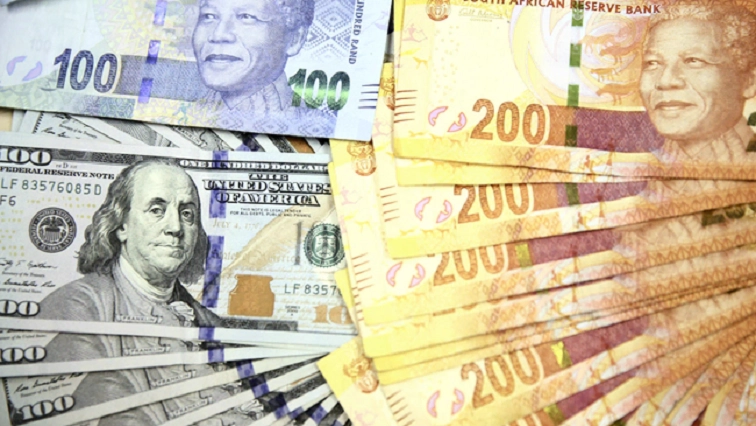
The South African rand has recorded a sharp turnaround after an extended period of weakness, gaining ground against major global currencies. The South African rand’s recent performance reflects a change in global financial conditions rather than domestic developments alone.
The move was highlighted in reporting by BusinessTech, which outlined how the currency moved from being one of the weaker emerging market performers to one of the strongest over a short period.
What Is Driving the Rand’s Recovery
The rand’s improvement has been closely linked to developments outside South Africa. Global investors have adjusted their expectations around monetary policy in major economies, particularly the United States.
Key factors supporting the rand include:
- A softer US dollar as markets reassess interest rate outlooks
- Improved global risk appetite, benefiting emerging market currencies
- Reduced demand for traditional safe-haven assets
These conditions tend to favour currencies such as the rand, which is highly sensitive to global capital flows.
Why the Rand Is Highly Volatile
The South African rand is known for sharp movements, often reacting quickly to shifts in global sentiment. Unlike currencies backed by large, closed economies, the rand trades freely and is widely used by international investors as a proxy for emerging market risk.
As a result, the currency can strengthen rapidly when global conditions improve, but it can also weaken just as quickly when sentiment turns negative.
What This Means for South Africans
A stronger rand can have mixed effects on the local economy.
Potential benefits include:
- Lower costs for imported goods and fuel
- Reduced inflationary pressure over time
- Relief for businesses reliant on imported inputs
However, a stronger currency can also make South African exports less competitive, particularly for industries selling into global markets.
Outlook Remains Uncertain
Despite the recent gains, analysts caution that the rand’s outlook remains uncertain. Its performance will continue to depend heavily on global economic data, central bank decisions, and investor sentiment.
Any shift back toward risk aversion or renewed strength in the US dollar could quickly reverse recent gains.
For now, the rand’s rebound highlights how quickly market conditions can change and how exposed the currency remains to international developments.