






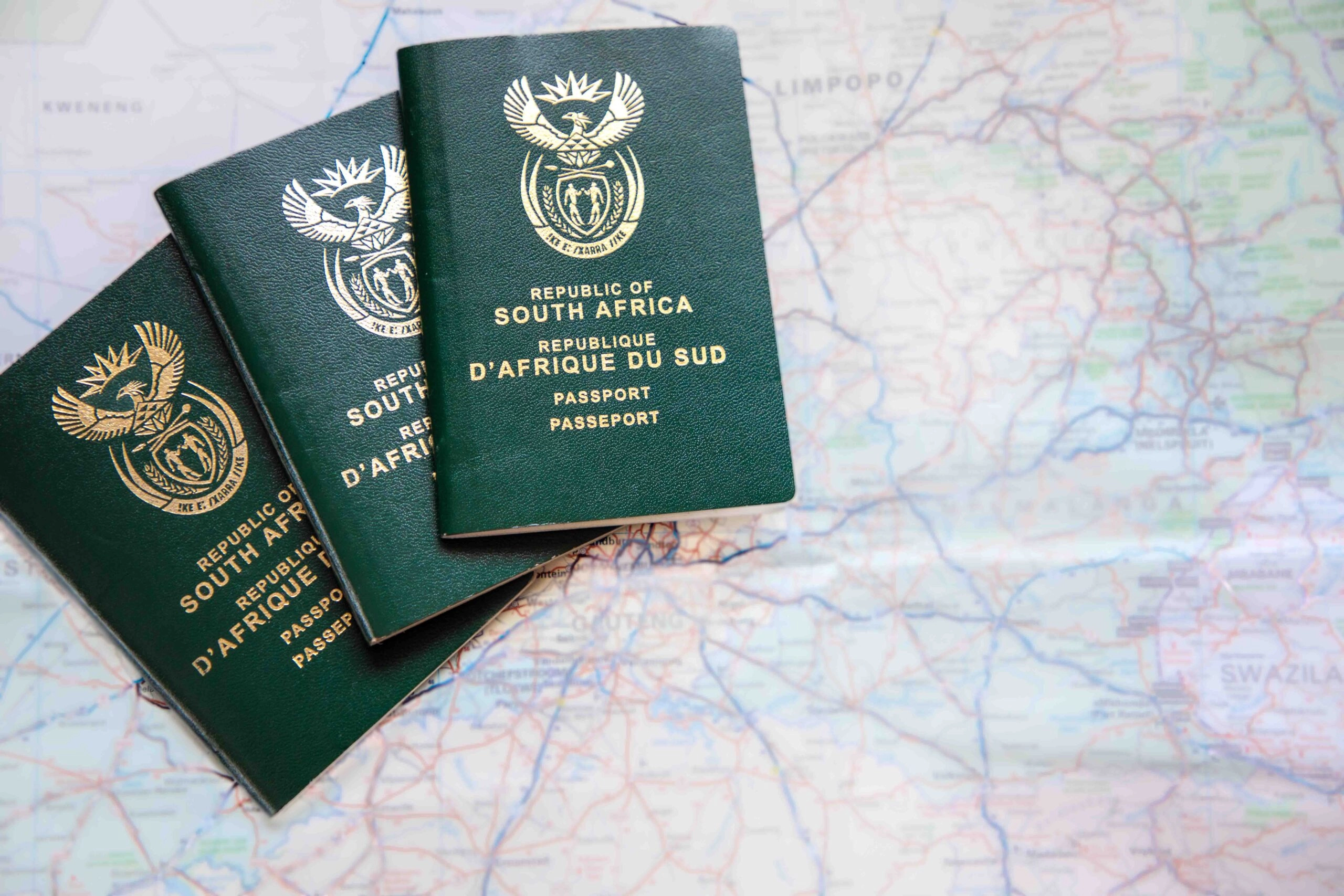
The Department of Home Affairs has confirmed the emergence of a new passport-related scam targeting South Africans applying for passports and Smart ID cards. The scam forms part of a broader rise in digital fraud linked to government services, with criminals impersonating official platforms, agents, and intermediaries to extract money and personal information from the public.
Authorities have stressed that all legitimate passport and Smart ID services are administered directly through Home Affairs’ official systems and accredited bank partners, and that no third-party agents are authorised to fast-track or guarantee applications.
Background: Growing Digital Fraud Around Government Services
As South Africa continues to digitise public services, fraudsters have increasingly shifted tactics to exploit online application processes. Passport and Smart ID applications are a particular target due to high demand, processing delays, and public frustration.
Criminals typically use fake websites, social media advertisements, WhatsApp messages, and emails that claim to offer expedited passport services, appointment bookings, or “inside access” to Home Affairs systems in exchange for a fee.
These scams often appear convincing, using official logos, government-style language, and references to real Home Affairs processes.
Verified Facts and Official Warning
The Department of Home Affairs has issued an official warning confirming that these offers are fraudulent and that members of the public should not engage with any individuals or platforms claiming to sell or accelerate passport or Smart ID services.
Home Affairs has reiterated that:
- Passport and Smart ID applications are submitted only through official Home Affairs offices or approved bank branches
- Appointment bookings are managed through the official Home Affairs online booking system
- No external agents or private companies are authorised to charge fees for access or prioritisation
The department has cautioned that victims of these scams risk both financial loss and identity theft.
Official Home Affairs information and alerts are published via its website:
🔗 https://www.dha.gov.za/
How the Scam Typically Operates
Reports indicate that the scam follows a consistent pattern:
- Victims are directed to unofficial websites or contacted via social media or messaging platforms
- They are asked to pay a “service fee” to secure or speed up a passport application
- Personal details such as ID numbers, copies of identity documents, and proof of address are requested
- After payment, communication ceases or victims are repeatedly asked for additional fees
In some cases, stolen personal information is later used for further fraud.
Institutional and Cybersecurity Context
Government departments and cybersecurity experts have noted a rise in identity-related fraud linked to leaked or voluntarily shared personal information. Once identity details are compromised, they can be reused across multiple scams and financial crimes.
Public authorities have emphasised the importance of limiting the sharing of personal information online and verifying the legitimacy of any platform claiming to represent government services.
Public Awareness and Online Protection
Publicly available resources are sometimes referenced for awareness. One such resource is the UbuntuGuard Cyber Toolkit, which provides general information on protecting personal data online and recognising digital scams.
The toolkit is accessible at:
🔗 https://www.ubuntuguard.co.za/cyber-toolkit/index.html
This resource offers high-level guidance on online safety, privacy awareness, and common digital threat indicators. It is provided for general awareness only and is not affiliated with the Department of Home Affairs.
Public Impact
For members of the public, falling victim to passport-related scams can result in delayed travel, financial loss, and long-term identity risks. Authorities have urged South Africans to be especially cautious during peak travel periods when demand for passports increases.
Home Affairs has encouraged individuals to report suspected scams and to rely only on official government communication channels for updates and application processes.
What Happens Next
The Department of Home Affairs has indicated that it will continue monitoring and reporting on fraudulent activity linked to its services. Law enforcement agencies are also engaged in investigating reported cases.
No changes to passport application procedures have been announced as a result of the scam warning. Members of the public are advised to remain cautious and to verify all information through official government platforms.