









Official August fuel prices confirmed: relief at the pump, pain for diesel
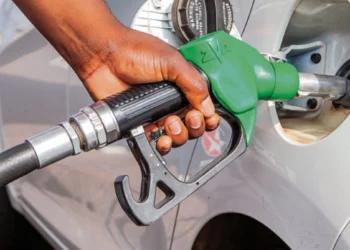
The official petrol price for August is out, and it splits South African motorists down the middle. The Department of Mineral and Petroleum Resources has published the adjustments taking effect on Wednesday 5 August 2026, with both petrol grades falling by 52 cents a litre while diesel rises steeply. businesstech
Diesel 0.05 percent climbs by R1.38 a litre at wholesale level and diesel 0.005 percent by R1.23, while illuminating paraffin goes up by R1.52 a litre. LPG in Gauteng drops by R4.41 a kilogram. businesstech
For a driver filling a 50 litre petrol tank, the 52 cent cut works out to R26 saved per fill. A 9 kilogram LPG cylinder in Gauteng costs about R39.69 less, while a household buying five litres of paraffin pays roughly R7.60 more as winter continues.
The official cut is deeper than the final unofficial projections suggested. Month-end Central Energy Fund estimates had pointed to petrol falling by only around 14 to 19 cents, or even holding flat, before a reduction in the slate levy of more than 52 cents a litre pulled petrol prices lower for August. businesstech
What the new prices mean for your tank, taxi fare and delivery costs
From Wednesday, 93 petrol inland drops from R25.94 to R25.42 a litre and 95 petrol from R26.10 to R25.58. At the coast, 95 petrol falls from R25.23 to R24.71. businesstech
Diesel moves the other way, and that matters beyond truck owners. Diesel drives freight, agriculture, taxis and generators, so a R1.38 wholesale increase feeds through to food logistics and transport costs over time. A double-cab owner filling an 80 litre diesel tank pays roughly R110 more per fill at the new wholesale rate, with retail pump prices varying because diesel is not price-regulated at the pump.
The paraffin increase lands hardest on low-income households that rely on it for heating and cooking in winter, adding R1.52 to every litre.
The full price table for 5 August
The official adjustments and pump prices are as follows, with diesel and paraffin reflecting wholesale prices: businesstech
| Fuel | Change | Inland July | Inland August | Coastal August |
|---|---|---|---|---|
| Petrol 93 | Down 52c/l | R25.94 | R25.42 | R24.63 |
| Petrol 95 | Down 52c/l | R26.10 | R25.58 | R24.71 |
| Diesel 0.05% (wholesale) | Up R1.38/l | R24.78 | R26.17 | R25.30 |
| Diesel 0.005% (wholesale) | Up R1.23/l | R25.67 | R26.90 | R25.64 |
| Illuminating paraffin (wholesale) | Up R1.52/l | R17.24 | R18.76 | R17.70 |
| LPG (per kg) | Down R4.41 | R41.11 | R36.70 | R33.44 |
The department’s numbers explain the split. The average Brent crude price actually fell from 86.53 to 82.37 dollars over the review period, despite renewed United States and Iran tensions briefly driving oil to the 100 dollar mark, because prices had already dropped sharply after the earlier ceasefire memorandum and on weaker global demand. businesstech
Petrol and diesel then went separate ways on product markets. International petrol prices declined, trimming the basic fuel price of petrol by 6.08 cents a litre, while diesel and paraffin product prices surged on supply shortages after Russia restricted diesel exports amid the Russia and Ukraine conflict, with Middle East refineries running below capacity. That added 182.62 cents a litre to the basic fuel price of diesel and 143.32 cents to paraffin. businesstech
The rand also weakened slightly on average, from R16.34 to R16.46 to the dollar, adding between 6 and 9 cents a litre across the three fuels. businesstech
The slate levy provided the rescue for petrol. With the cumulative petrol and diesel slate at a negative R7.418 billion at the end of June, the self-adjusting mechanism cut the levy from 113.94 to 61.38 cents a litre from 5 August, a 52.56 cent reduction built directly into the pump price. businesstech
What to watch before the September adjustment
The September picture is already forming and remains genuinely uncertain. Daily recoveries through August will track the Middle East conflict, which has disrupted shipping through the Strait of Hormuz and spread risk toward the Red Sea, as well as Russian diesel export restrictions and the rand.
It is not yet confirmed whether diesel’s international supply squeeze will ease, whether oil holds near current levels around the low 80 dollar range, or how the reduced slate levy balance will affect future adjustments.
The next fixed markers are the Central Energy Fund’s daily price recovery data through August, the department’s September adjustment announcement at the start of that month, and the new prices taking effect on Wednesday 2 September.